

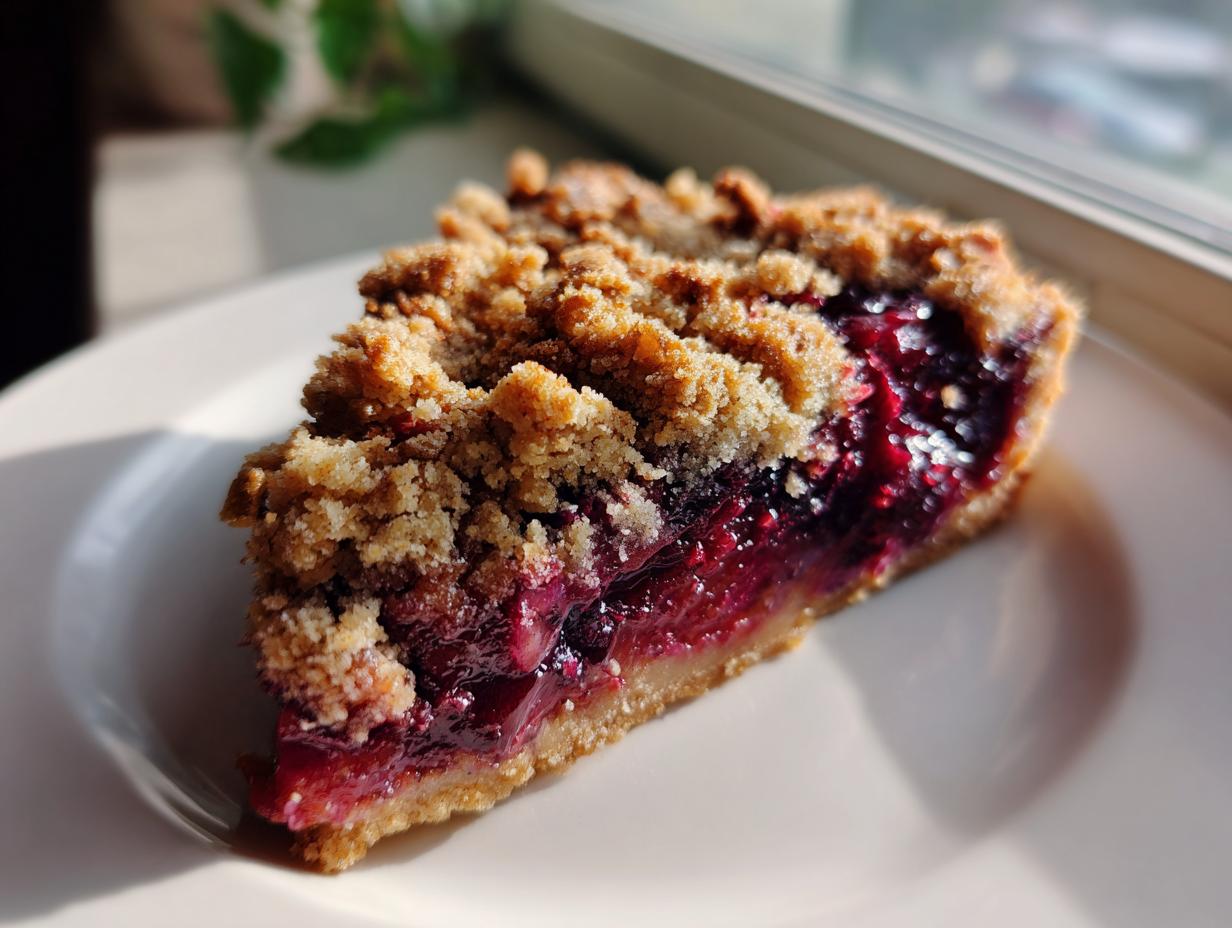
Oh, there’s nothing quite like diving into a warm, spiced dessert when the air starts getting a little crisp, right? That’s the feeling I chase every time I pull something out of the oven. Today, we’re making my absolute favorite fall hybrid: the german plum cobbler. You know how much I love blending traditions! This isn’t your grandma’s dusty old biscuit-topped cobbler; we’re taking that fantastic, sturdy American base structure and crowning it with a rich, buttery German Streusel topping, just like my favorite Streuselkuchen.
When the plums are perfectly tart and juicy, it’s pure magic. Using fresh, seasonal fruit just brings me right back to my roots in the Midwest kitchen. Trust me, this recipe is going to become a staple when you’re looking for a truly special, yet simple, German inspired baked good that comes together quickly.
- Why This german plum cobbler Recipe Works So Well
- Gather Your Ingredients for german plum cobbler
- Step-by-Step Instructions for the Best german plum cobbler with Streusel Topping
- Tips for Success with Your german plum cobbler
- Ingredient Notes and Substitutions for this Traditional German Plum Dessert
- Serving Suggestions for your german plum cobbler
- Storage and Reheating Instructions
- Frequently Asked Questions about german plum cobbler
- Sharing Your CravyBite Kitchen Creation
Why This german plum cobbler Recipe Works So Well
When you mix American comfort with German precision, you get something truly fantastic. This hybrid dessert shines because of the balance! The slightly sour, firm plums fight perfectly against the sweetness of the dough and that wonderfully crunchy topping. It’s all about texture contrast, which is what makes any great dessert satisfying.
- We get a soft, slightly cakey base that supports the fruit beautifully.
- The juicy plums burst enough to create syrup but don’t turn to mush.
- That buttery streusel topping provides the crucial, addictive crunch in every bite.
The Importance of Zwetschgen Plums in a german plum cobbler
If you can find them, you absolutely must use Italian prune plums—the ones Germans call Zwetschgen. They aren’t as watery as other plums, so they keep their shape and don’t weep all over your base. When they are perfectly firm, they bake up beautifully tart. See if your local farmer’s market carries them closer to late summer!
Gather Your Ingredients for german plum cobbler
Okay, let’s get baking! Having everything measured and prepped ahead of time makes this so much less stressful. I’ve broken the ingredients down into three groups because that’s how we assemble this dessert—base first, then fruit, then the glorious topping. Remember, when a recipe calls for cold fat, you gotta use cold fat, especially for that crumbly texture we’re after. Head over to my roundup of seasonal plum dessert recipes if you’re looking for more inspiration after this one!
For the Cobbler Base
This is the foundation of our cobbler, so don’t mix it more than you absolutely have to. We are looking for a slightly shaggy dough!
- 1 1/2 cups all-purpose flour
- 1/2 cup granulated sugar, plus 1/4 cup reserved for the plums
- 1 teaspoon baking powder
- 1/2 teaspoon salt
- 1/2 cup (1 stick) cold unsalted butter, cut into pieces
- 1 large egg
- 1/4 cup milk
Preparing the Plums
This is where those tart flavors really shine! Make sure you completely halve and pit all your plums before tossing them with these flavor enhancers.
- 2 pounds fresh Italian prune plums (Zwetschgen), halved and pitted
- 1 tablespoon lemon juice
- 1/4 cup reserved granulated sugar (from the base ingredients)
- 1/2 teaspoon ground cinnamon
The Traditional Streusel Topping for german plum cobbler
This topping is what gives our dessert that lovely German flair! We need everything cold here so the topping stays light and crumbly instead of melting into a sheet.
- 1 cup all-purpose flour
- 1/2 cup packed light brown sugar
- 1/4 teaspoon ground cinnamon
- 1/4 cup (1/2 stick) cold unsalted butter, cut into small pieces
Step-by-Step Instructions for the Best german plum cobbler with Streusel Topping
We’re moving fast now that everything is measured out! This process is straightforward, but pay close attention when you mix the dough—that’s where most people accidentally overwork it. Remember, we want a german plum cobbler that’s slightly tender, not tough! This combination of a soft base and crunchy topping works so well, just like in my favorite streusel cake recipes.
Mixing the Cobbler Dough Base
First things first, get that oven warming up to 375 degrees F and make sure your 9-inch square dish is greased. Inside a bowl, whisk together the base dry ingredients: the larger portion of flour, the half-cup of sugar, baking powder, and salt. Now, take your cold butter pieces and cut them in using a pastry blender—or just use your fingertips if you work fast! You are done with the butter when it looks like coarse crumbs, nothing bigger than a small pea. Whisk the egg and milk, add that to the dry mix, and stir *just* until you see it come together into a soft dough. Seriously, stop stirring immediately; do not overmix!
Assembling the Fruit and Topping Layers
Take that soft dough and press it evenly right across the bottom of your prepared dish—this is our sturdy base. Next up, the plums! Toss those halved and pitted fruits with the reserved sugar, lemon juice, and the cinnamon until they are lightly coated. Arrange them cut-side up right over that dough base. They might look crowded, but they shrink down as they bake. Finally, grab your streusel mixture and sprinkle it generously and evenly over the top of all those juicy plums. Make sure every plum has some topping nestled against it!
Baking and Resting the german plum cobbler
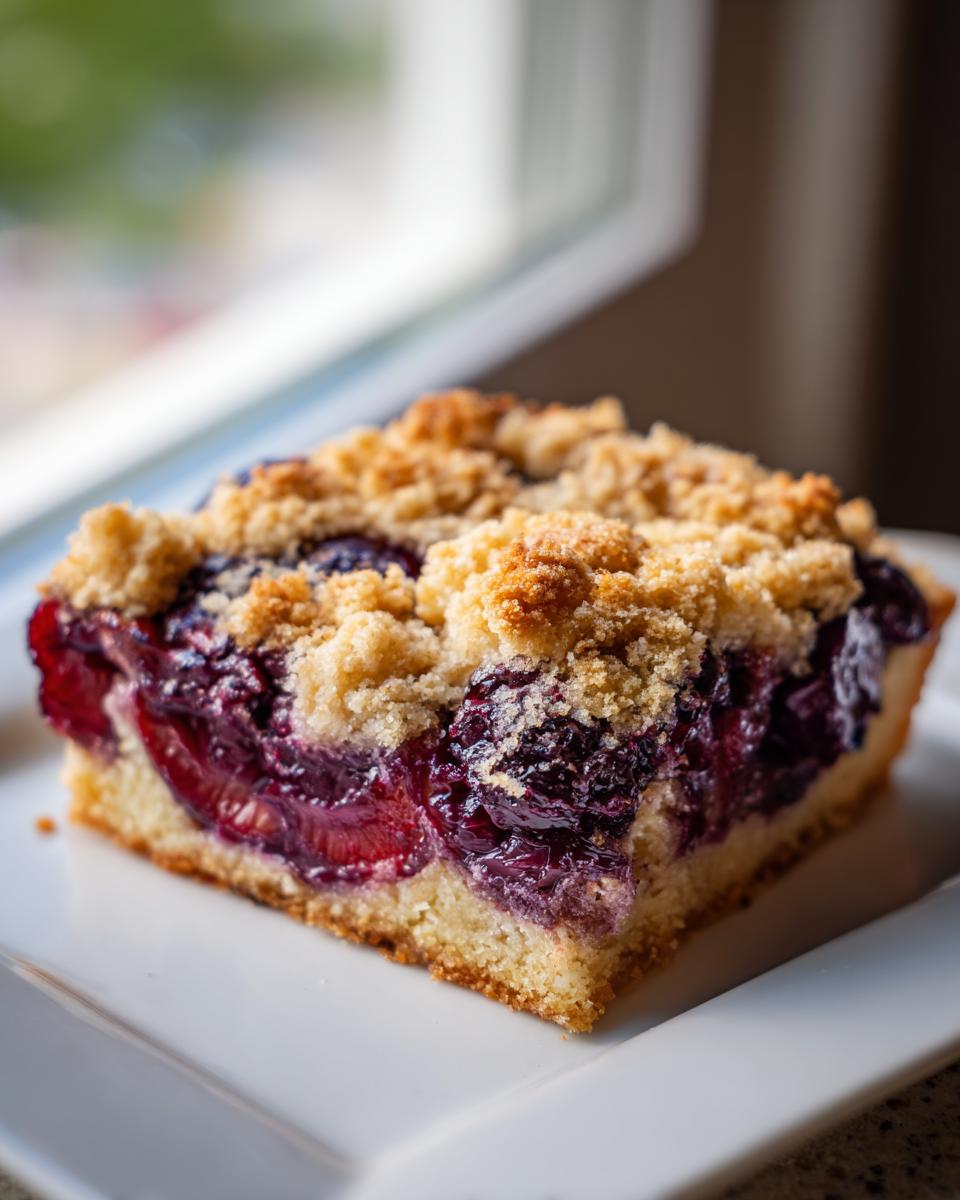
Slide that beauty into the preheated oven. You’ll want it to bake for about 45 to 55 minutes. You’re looking for a topping that’s golden brown and the fruit underneath should be bubbling happily. This is the hard part: resisting the urge to cut it immediately! You have to let the german plum cobbler cool on a wire rack for at least 20 minutes. This resting time is crucial; it lets the fruit juices set up so your slices don’t just collapse into a puddle when you serve them.
Tips for Success with Your german plum cobbler
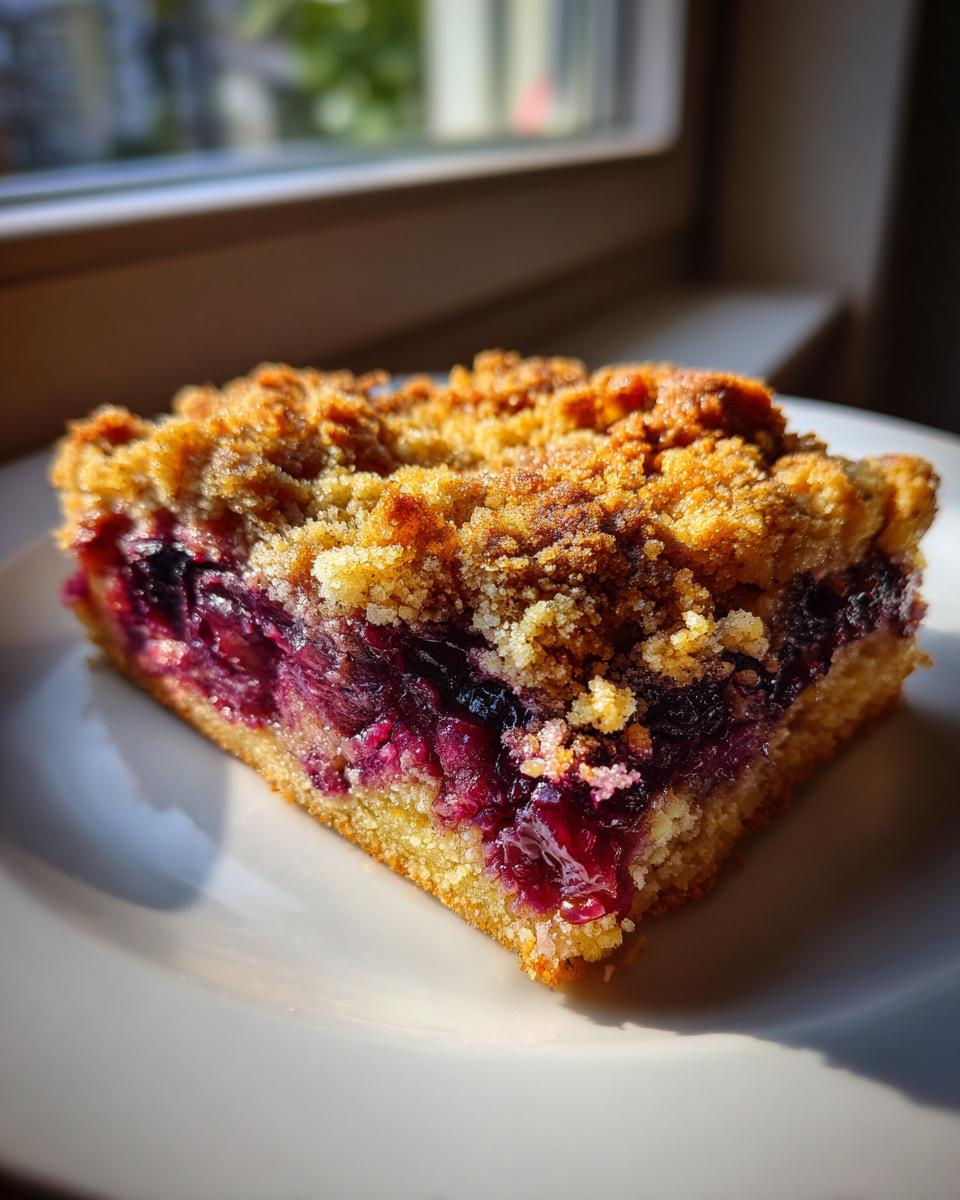
Baking, especially when you’re bridging two traditions like this, requires a few little insider secrets. I learned these the hard way over years of testing fruit desserts to make sure they came out perfectly every time. You want that base soft, the fruit tender, and that topping staying crunchy, right? It all comes down to temperature and mixing speed.
First, please, please make sure your butter for *both* the base and the streusel is ice cold. If that butter starts getting soft while you’re mixing the streusel, it’s going to melt into the flour, and you’ll end up with oily clumps instead of those light, sandy crumbs we just love. Keep everything cold, and if your kitchen is warm, chill your flour for 10 minutes first!
Second mistake people make is overmixing the base dough. Once you add the milk and egg, you only stir until the flour streaks *just* disappear. A few streaks of dry flour are better than overdeveloping the gluten, which leads to a chewy, tough base that we absolutely don’t want in this dessert. We’re aiming for that lovely, slightly raggedy look you see in these gorgeous sour cream streusel recipes.
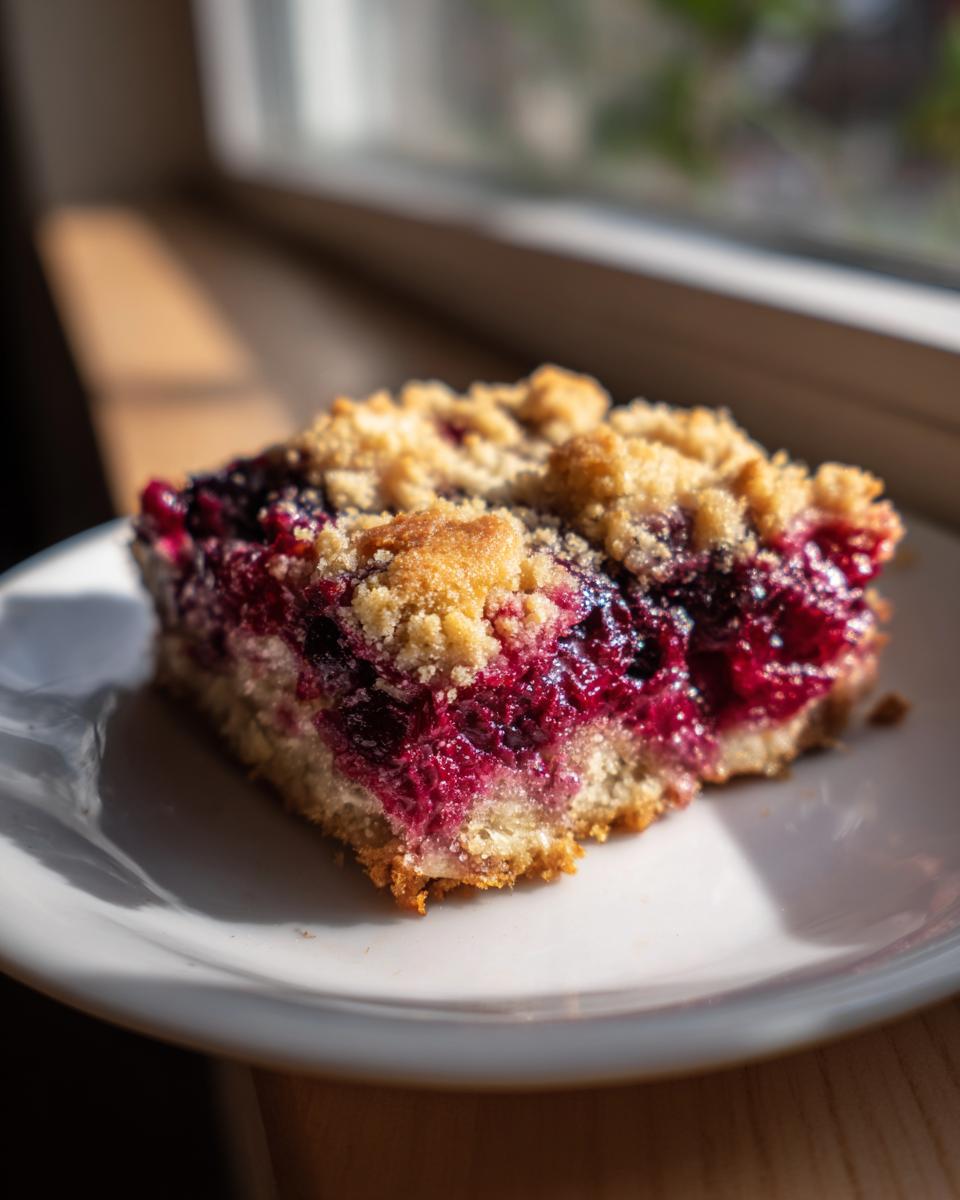
Also, don’t skip the lemon juice on the plums! Even though these are tart plums, that little touch of acid brightens the whole flavor profile and keeps the plums from turning dull brown while they wait for the streusel topping to be finished.
Ingredient Notes and Substitutions for this Traditional German Plum Dessert
I know sometimes you can’t find those perfect Italian prune plums, especially if you aren’t right near a great market. Don’t throw in the towel! We can make substitutions, but the result changes slightly, so I want you to know what to expect when you make your german plum cobbler.
If you absolutely cannot find Zwetschgen, look for the firmest, slightly tart plums available. Stanley plums or Black Amber plums work if they are still slightly underripe. If you only have super juicy, soft plums, you might need to use a little less sugar when tossing them, and you absolutely must let the cobbler rest for an extra 15 minutes after baking to help it set up.
Now, about that flour in the base: I mentioned this in the notes, but if you want a richer flavor and a slightly earthier texture that feels a bit more rustic—very German, actually—you can substitute half of the all-purpose flour in the base with whole wheat flour. It adds a lovely depth! Just don’t swap the flour in the streusel topping; that needs to stay light and refined to get the best crunch. You can check out more of my tips on baking with fresh prune plums if you want more background on fruit selection!
Serving Suggestions for your german plum cobbler
This german plum cobbler is deeply satisfying all on its own, especially with that spiced plum filling oozing out! But that’s not how we traditionally enjoy a big, comforting dessert like this in my family. We always elevate it slightly, especially if we’re serving it warm a few hours after it comes out of the oven.
My absolute number one way to serve this? A big scoop of high-quality vanilla ice cream. The contrast between the hot, tangy fruit and the cold, sweet cream is just unbeatable. The ice cream melts right down over that buttery streusel topping, slightly softening it in the best way possible. You can save the recipe for vanilla buttercream frosting for a different day, because here we want simple ice cream!
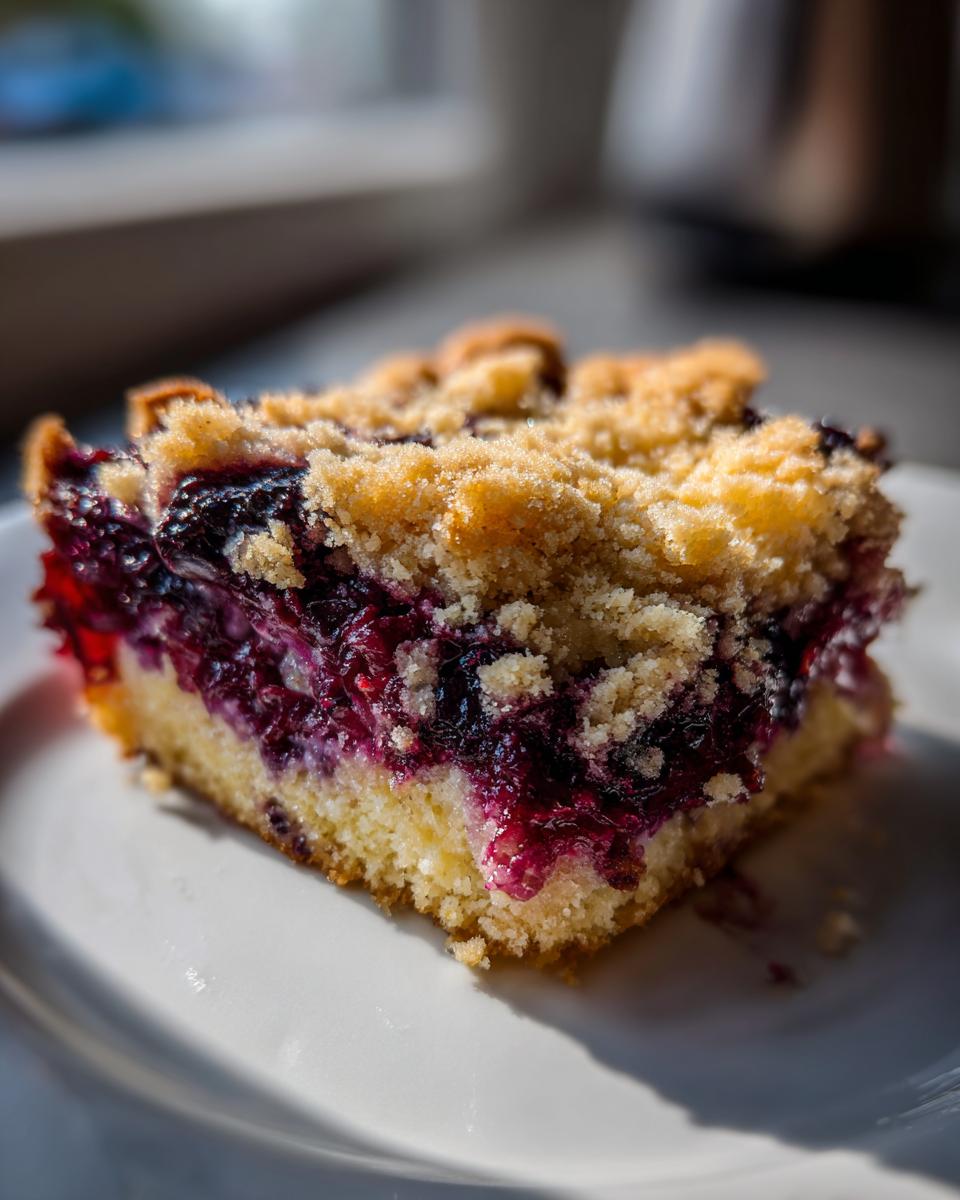
If you’re having company and want something a little lighter, plain old freshly whipped cream is perfect. Don’t use that canned stuff, please! Just whip heavy cream with a tiny bit of powdered sugar until soft peaks form. The mild creaminess complements the cinnamon perfectly. And if you’re serving it the next day, sometimes just a light dusting of powdered sugar is all you need to dress it up again. It brings out the subtle spices beautifully!
Storage and Reheating Instructions
Now, the real test: how do we keep this amazing german plum cobbler tasting as fresh as it did right out of the oven? Since this has a rich, buttery base and that delicate streusel topping, we have to be a little careful with storage.
If you have any leftovers—which I seriously doubt—cover the baking dish tightly with plastic wrap or transfer slices to an airtight container. Don’t worry about the topping being perfectly crisp right away when you first cover it. At room temperature, it should be fine for about a day, especially if your kitchen isn’t too warm. For longer storage, pop it into the refrigerator for up to four days.
When it comes time to reheat? Please, oh please, skip the microwave if you can! Microwaving turns that beautiful streusel soggy fast. The best way to bring back that delightful crunch is low and slow in the oven. Pop a slice onto a baking sheet and warm it at about 300 degrees F for 10 minutes. That gentle heat will warm the fruit through and crisp up the topping again perfectly. If you put a scoop of vanilla ice cream on that warm slice? Heavenly!
Frequently Asked Questions about german plum cobbler
I always get so many questions when I post a fusion recipe like this! It is natural to wonder how to make it fit your schedule or what swaps you can manage. Here are a few things readers ask me all the time when they are planning to make this german plum cobbler.
Can I use frozen plums in this german plum cobbler?
You certainly can use frozen plums if you can’t find fresh ones, though I always push for fresh if possible! If you use frozen, you need to thaw them first, but *please* drain off every bit of excess liquid. If you dump that liquid into the batter, you’ll end up with a soupy mess instead of our lovely base. Also, because they are wetter, you might need a few extra minutes of bake time. If you are rushing during the week, though, try my roundup for quick, easy weeknight dinners!
What is the difference between this cobbler and traditional Pflaumenkuchen?
That’s a great question that gets to the heart of this hybrid! A traditional German Pflaumenkuchen (plum cake) usually sits on a yeast dough or a shortbread crust, and often the topping is just a lighter dusting of streusel with no real ‘cobbler’ base underneath. Because we use a biscuit-like dough base, ours is sturdier—it’s more of an old fashioned plum cobbler recipe structure but with the authentic German crumb topping. Think of ours as the best of both worlds!
Can I make the streusel topping ahead of time?
Yes, that’s a fantastic time saver! You can mix the streusel topping entirely—flour, sugar, cinnamon, and cold butter—and store it in a sealed container in the fridge for up to three days. When you’re ready to assemble the best plum cobbler with streusel topping, just pull it out and sprinkle it over the plums straight from the fridge. It needs to stay cold so it crumbles nicely on top.
Can I use other fruits instead of plums in this german fruit crumble with plums?
Oh, absolutely! This recipe really shines as a seasonal plum dessert recipe, but you can definitely swap the fruit out entirely depending on what’s ripe. Firm apples—like Honeycrisp or Granny Smiths—are a perfect substitute. If you use apples, you might want to add an extra teaspoon of cinnamon and maybe increase the fruit sugar by a tablespoon or two, as apples sometimes aren’t as naturally sweet as ripe plums. Cherries work well too, but watch out for adding too much sugar since cherries are already quite sweet!
Sharing Your CravyBite Kitchen Creation
Now that you’ve got the recipe for this amazing german plum cobbler sitting right there in your hands, all that’s left is the best part: baking it! I truly hope you have as much fun making this slightly German, wonderfully comforting dessert as I do every time. It’s one of those recipes I love seeing pop up on my feeds!
Once you’ve pulled that golden, bubbly creation out of the oven, I would absolutely adore hearing about it. Did the streusel turn out perfectly crumbly? Were your plums nice and tart? Please leave a rating right here on the post—it helps me know what’s working for you all. And if you snap a picture, tag me on social media! Seeing your own baking efforts make their way into your home is why I love sharing these family-inspired recipes so much. If you ever need to reach out with a question that pops up while you’re mixing, don’t hesitate to use my contact page!
PrintGerman Plum Cobbler with Traditional Streusel Topping

Make this German Plum Cobbler, which features tart plums topped with a buttery streusel crumb topping, similar to a traditional German Streuselkuchen.
- Prep Time: 20 min
- Cook Time: 55 min
- Total Time: 75 min
- Yield: 8 servings 1x
- Category: Dessert
- Method: Baking
- Cuisine: German-American
- Diet: Vegetarian
Ingredients
- 1 1/2 cups all-purpose flour
- 1/2 cup granulated sugar, plus 1/4 cup for plums
- 1 teaspoon baking powder
- 1/2 teaspoon salt
- 1/2 cup (1 stick) cold unsalted butter, cut into pieces
- 1 large egg
- 1/4 cup milk
- 2 pounds fresh Italian prune plums (Zwetschgen), halved and pitted
- 1 tablespoon lemon juice
- 1/2 teaspoon ground cinnamon
- For the Streusel Topping:
- 1 cup all-purpose flour
- 1/2 cup packed light brown sugar
- 1/4 teaspoon ground cinnamon
- 1/4 cup (1/2 stick) cold unsalted butter, cut into small pieces
Instructions
- Preheat your oven to 375 degrees F. Grease and flour a 9-inch square baking dish.
- Prepare the cobbler base: In a medium bowl, whisk together 1 1/2 cups flour, 1/2 cup granulated sugar, baking powder, and salt.
- Cut in the 1/2 cup cold butter using a pastry blender or your fingers until the mixture resembles coarse crumbs.
- In a small bowl, whisk the egg and milk together. Add this wet mixture to the dry ingredients and stir just until combined to form a soft dough. Do not overmix.
- Press the dough evenly into the bottom of the prepared baking dish.
- Prepare the plums: In a separate bowl, gently toss the halved and pitted plums with 1/4 cup granulated sugar, lemon juice, and 1/2 teaspoon cinnamon. Arrange the plums, cut-side up, over the dough layer in the baking dish.
- Prepare the streusel topping: In a small bowl, combine 1 cup flour, brown sugar, and 1/4 teaspoon cinnamon. Cut in the 1/4 cup cold butter until crumbly.
- Sprinkle the streusel topping evenly over the plums.
- Bake for 45 to 55 minutes, or until the topping is golden brown and the fruit is bubbly.
- Let the German Plum Cobbler cool on a wire rack for at least 20 minutes before slicing and serving.
Notes
- Use Italian prune plums (Zwetschgen) for the best flavor and texture, as they hold their shape well during baking.
- For a richer flavor, substitute half of the all-purpose flour in the base with whole wheat flour.
- Serve warm with vanilla ice cream or a dollop of fresh whipped cream for a classic pairing.
Nutrition
- Serving Size: 1 slice
- Calories: 350
- Sugar: 30
- Sodium: 180
- Fat: 18
- Saturated Fat: 11
- Unsaturated Fat: 7
- Trans Fat: 0
- Carbohydrates: 45
- Fiber: 3
- Protein: 5
- Cholesterol: 60