

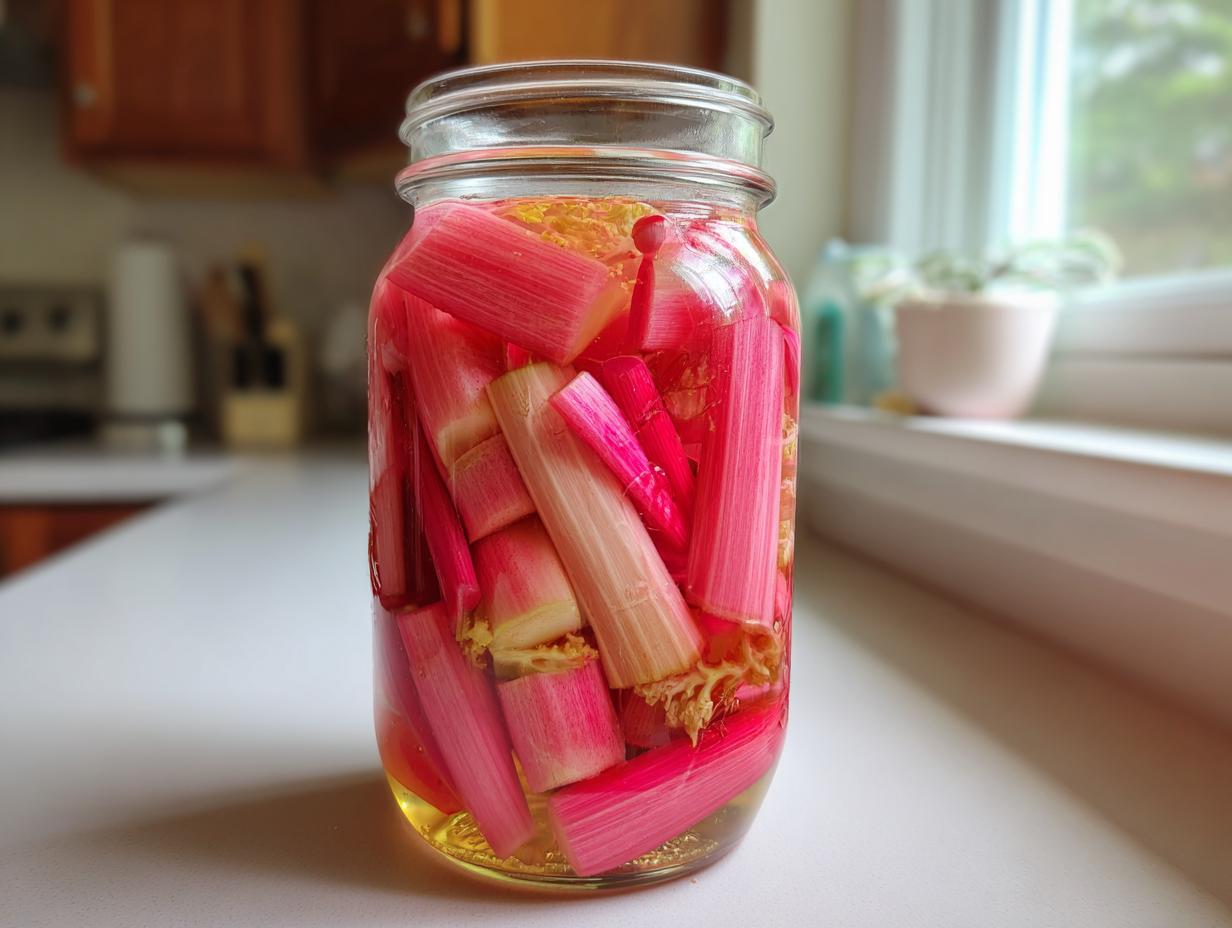
When you think of rhubarb, I bet you immediately picture a sweet crumble or maybe a bright pink pie, right? I get it! That’s how we traditionally use it here in the Midwest. But what if I told you we can flip the script and turn that tart spring vegetable into something tangy, spicy, and absolutely packed with good-for-you probiotics? Trust me, this is where the real fun begins in my kitchen. Here at CravyBite Kitchen, we honor heritage through honest ingredients, and learning Lacto-Fermented Rhubarb Pickles with Ginger is my favorite way to use rhubarb this year. As someone who loves the science behind food, I’m Jess Carter, and having a background in nutrition taught me just how powerful simple traditional preserving methods can be! If you want to know more about why we stand by these old-fashioned ways, check out our story over at CravyBite Kitchen’s mission page.
- Why You Will Love These Lacto-Fermented Rhubarb Pickles with Ginger
- Gathering Ingredients for Lacto-Fermented Rhubarb Pickles with Ginger
- Preparing the Brine and Rhubarb for Lacto-Fermentation
- The Fermentation Process: Making Lacto-Fermented Rhubarb Pickles with Ginger
- Tips for Success with Homemade Spiced Pickles
- Storing Your Finished Lacto-Fermented Rhubarb Pickles with Ginger
- Understanding the Flavor and Texture of Probiotic Rhubarb Recipes
- Frequently Asked Questions About Ginger Rhubarb Pickles
- Share Your Tangy Rhubarb Preserves Experience
Why You Will Love These Lacto-Fermented Rhubarb Pickles with Ginger
Forget the sticky sweetness—these pickles are a revelation! They take the simple, beautiful stalks of rhubarb and transform them into something completely unexpected. Seriously, you’re going to want these in your fridge all season long. They are an absolute game-changer for savory meals!
- That Perfect Tang: Instead of sweet, you get a bright, mouth-puckering sourness that makes them addictively good. They are the ultimate sour rhubarb recipe!
- A Little Kick of Heat: That fresh ginger we add isn’t just for show; it provides a wonderful, warm spice note that pairs beautifully with the rhubarb’s natural tartness.
- Probiotic Powerhouse: Because we are using natural fermentation, these become amazing probiotic rhubarb recipes, supporting tummy health while tasting incredible.
- Flavor Shock Factor: These aren’t your grandma’s canned pickles. Serving these unique fermented condiments will always get people talking at dinner!
Gathering Ingredients for Lacto-Fermented Rhubarb Pickles with Ginger
Okay, let’s talk about what you need for this project. The beauty of using natural vegetable pickling through fermentation is that the ingredient list is wonderfully short. We are letting the natural bacteria do all the heavy lifting, so we just need quality starting material!
Here’s what you’re grabbing from the market:
- 1 pound fresh rhubarb stalks, and make sure you cut them into nice, sturdy 1-inch pieces.
- 1 inch fresh ginger, which you’ll want thinly sliced—don’t peel it, the skin holds flavor!
- 3 cups filtered water—this is one of my big non-negotiables for safe vegetable fermentation. Tap water can sometimes have chlorine that messes with the good bacteria we want to grow.
- 1.5 tablespoons non-iodized salt. Seriously, this is vital; I always recommend kosher or good quality sea salt. You can read more about why we skip the iodine in my guide to natural vegetable pickling.
- 1 teaspoon whey or a tiny starter culture—this is optional, but it gives your rhubarb fermentation recipe a little jump start!
When I select my rhubarb, I look for bright colors and firm stalks, just like you would for a pie. But for pickling, texture is everything later, so don’t grab anything too mushy!
Preparing the Brine and Rhubarb for Lacto-Fermentation
Now that you have your ingredients gathered—especially that beautiful rhubarb and spicy ginger ready to go—it’s time to talk about the salty bath they are about to take. Getting this right is the backbone of making the lacto-fermented rhubarb pickles with ginger safely and successfully. It sounds technical, but trust me, it’s super simple once you know the trick.
Mastering the Salt Brine Ratio for Vegetables
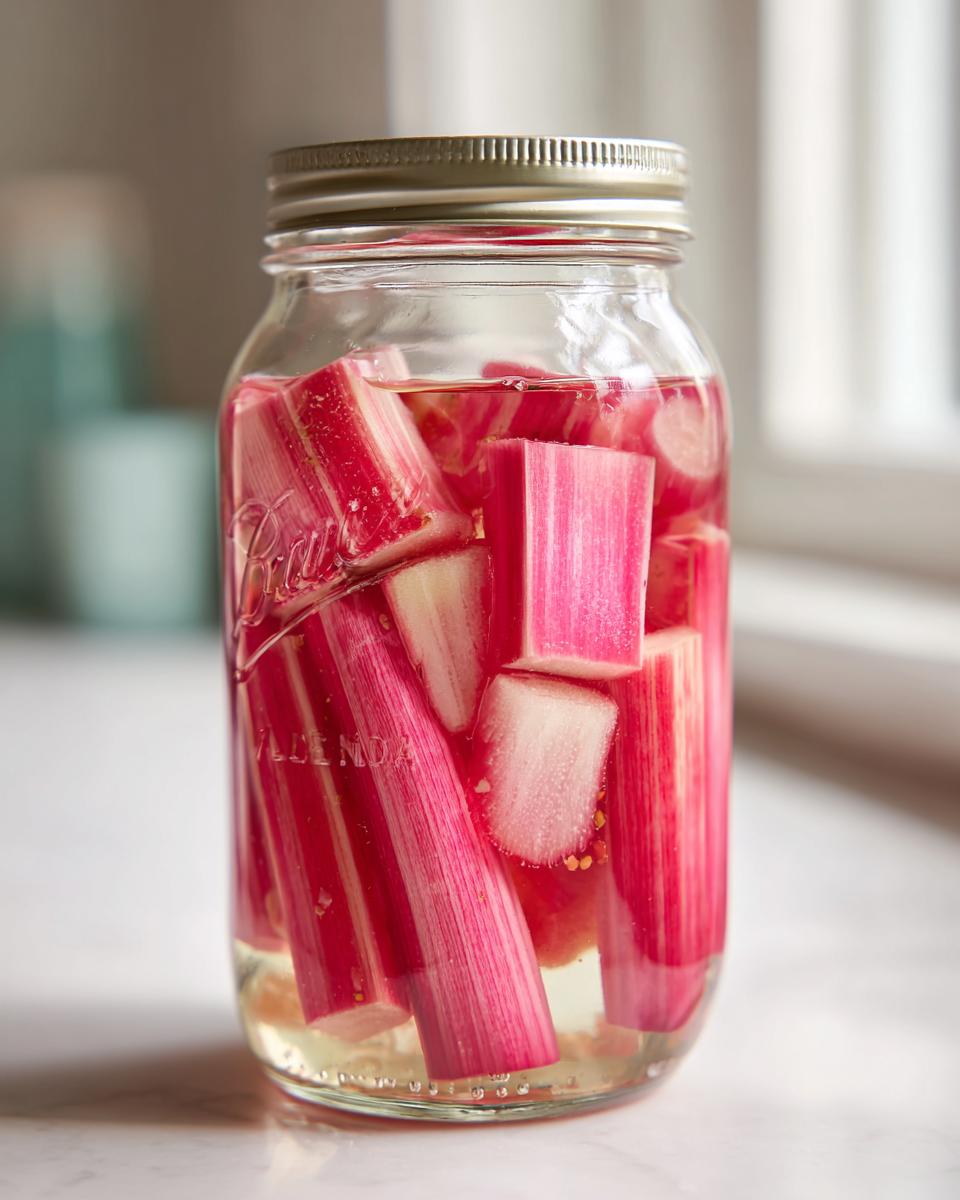
We need a brine that’s salty enough to keep the bad bacteria away but not so salty that it kills off the good Lactobacilli that make these pickles tangy! For almost all my vegetable fermentation projects, including this one, I stick to a 2% salt concentration. This is the secret sauce for a perfect salt brine ratio for vegetables. For this recipe, that means dissolving 1.5 tablespoons of that good, non-iodized salt into 3 cups of filtered water. I always check the bottom of the jar to make sure every last grain has dissolved. If you miss a speck, you mess up your ratio, and we don’t want that! This calculation is exactly what you need to ensure a successful rhubarb fermentation recipe. For more detail on the ratios, I cover the science here: salt brine ratio for vegetables.
Packing Jars for Safe Vegetable Fermentation
With the brine ready, we move to packing. Take your cute 1-inch rhubarb chunks and that thinly sliced ginger and layer them right into your clean mason jars. Distribute them evenly—you want that ginger flavor everywhere, not just clumped in one spot! Then, slowly pour that perfect brine over the top, making sure you stop about an inch below the rim of the jar. This space is called headspace, and the vegetables need room to move around and bubble up later. My biggest rule, straight from my nutrition studies on safe vegetable fermentation, is this: everything must be submerged below the brine level. If even one little piece of rhubarb sticks up above that salty water, it’s exposed to air and can mold. I use a glass fermentation weight every single time; it’s cheap insurance for your beautiful pickles!
The Fermentation Process: Making Lacto-Fermented Rhubarb Pickles with Ginger
Alright, this is the exciting part! You’ve packed your jars, weighed down that rhubarb so it’s safely tucked under the brine, and now we wait for the magic to happen. Following these steps is how we successfully learn how to make lacto fermented rhubarb without stressing out. Remember, we are aiming for that lovely, complex flavor that only natural fermentation can give you. You can find a great refresher on getting started on my beginner fermentation guides if you need a quick review before we dive in!
Setting Up and Monitoring Active Fermentation
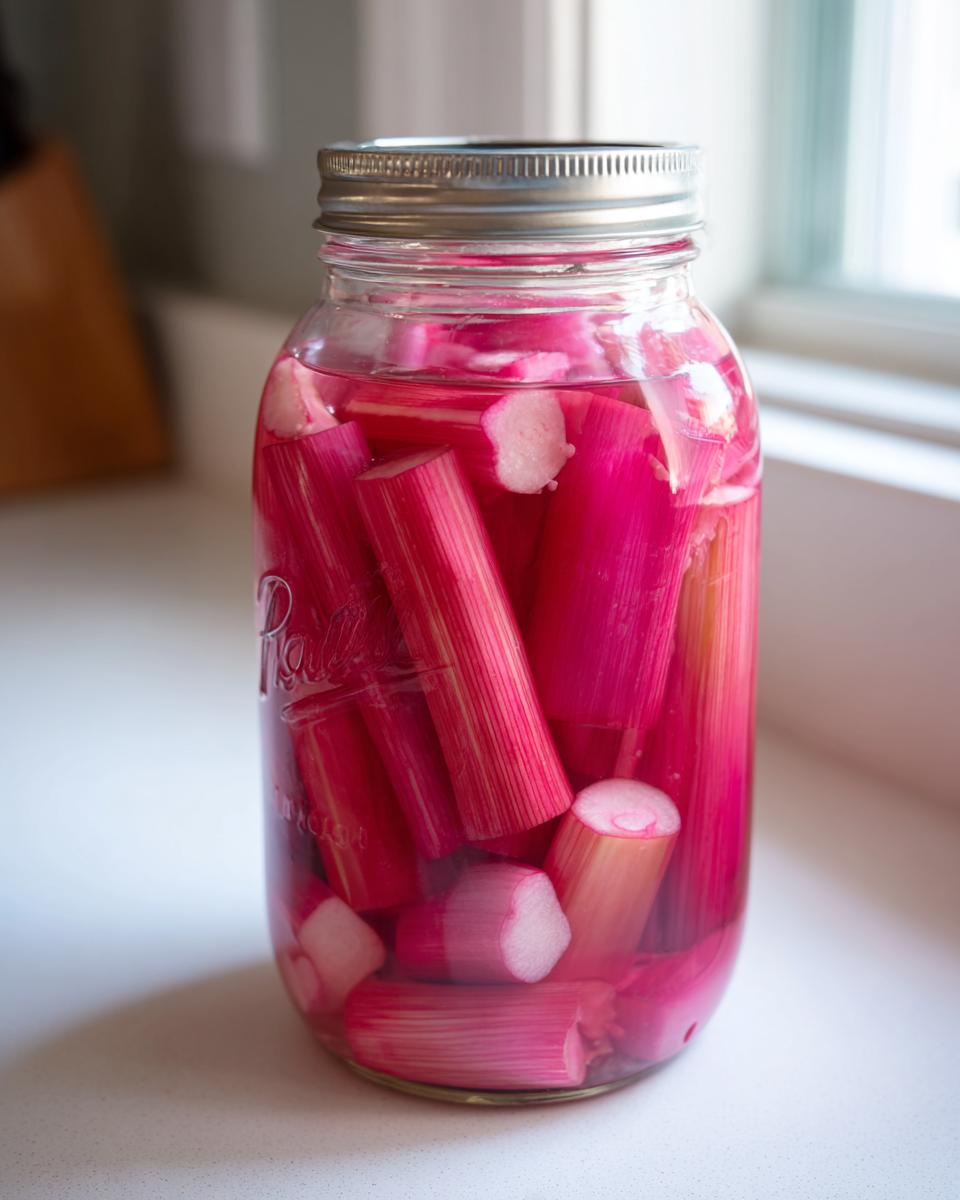
First things first: you need to seal the jars. If you have those cute airlock lids, screw those on—they let the CO2 gas escape right out of the jar, which is super safe and stops that ‘volcano’ effect. If you’re using a standard mason jar lid, just twist it on until it’s finger-tight, but not cranked down. Why? Because those good bacteria are going to start eating the sugars in the rhubarb, and they create gas! If the gas can’t get out, your jar might pop or crack. That’s why people using standard lids have to remember to ‘burp’ them—just once or twice a day, briefly open the lid to let the pressure hiss out, then quickly screw it back on. You’ll know things are working when you see little bubbles rising from the rhubarb pieces. That’s active fermentation, and it’s the best sign!
Now for location: find a spot that stays cool and dark, ideally between 65°F and 72°F. Too cold and it takes forever; too hot and you risk cooking the beautiful flavor out.
When to Stop Fermentation for Tangy Rhubarb Preserves
This is where intuition comes in, honey. The timing really depends on the temperature of your kitchen and how aggressively your specific batch of bacteria is working. Typically, you’ll see good bubbling within the first 24 to 72 hours. But when are they *done*? That’s up to your taste buds!
I always tell people to wait until at least Day 5 before taking a taste. After that, try a tiny piece every day. Are you loving that sharp tartness? Do you want more of that sour rhubarb recipe flavor profile? When the zing hits just right for you—when it’s perfectly tangy—it’s time to pull them! Secure those lids tightly (or remove the airlock hardware) and move those beautiful tangy rhubarb preserves straight into the fridge to slow everything down.
Tips for Success with Homemade Spiced Pickles
Listen, fermentation is natural, but it’s not always perfectly predictable. That’s why having a few expert tricks up my sleeve helps me get reliable, delicious ginger rhubarb pickles every time. As someone who’s spent years looking at the science behind food, I focus on prevention over cure!
Always make sure those rhubarb pieces stay underwater. I cannot stress this enough: no surface exposure means no fuzzy stuff. If you do see a thin, white, powdery film—that’s called kahm yeast—don’t panic. It’s usually harmless, but it means too much air got in. Just gently skim it right off the top with a clean spoon. It won’t hurt your pickles, but it can sometimes impart a funky flavor if left alone.
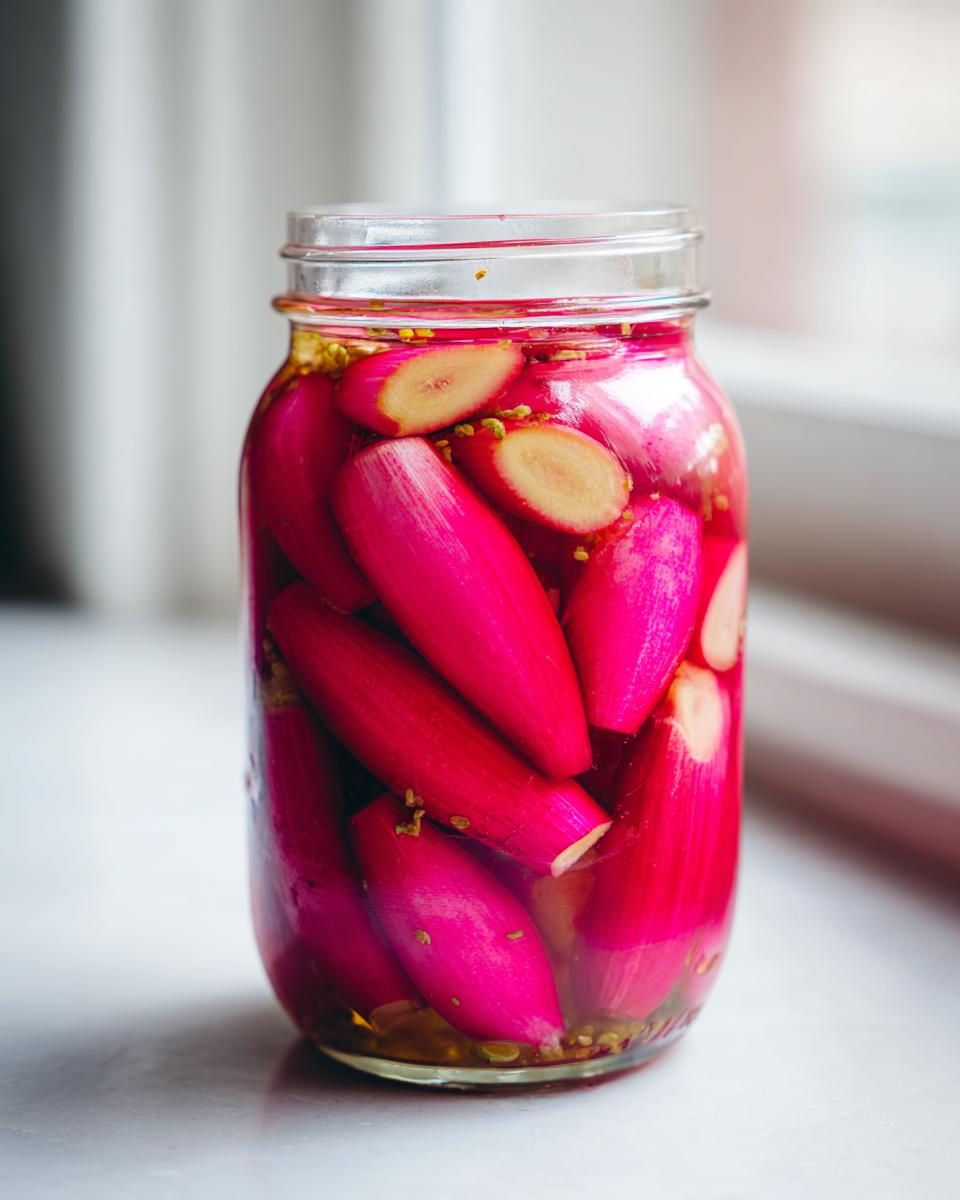
Don’t expect these to stay crisp like a refrigerator dill pickle. The texture changes during lacto-fermented rhubarb pickles with ginger; it softens slightly. That’s normal! We are aiming for a tender yet satisfying bite for these homemade spiced pickles.
A quick note on the ginger: if you want a really deep, spicy warmth in the final product, leave your ginger slices in for the entire 5 to 10 days. If you prefer just a hint of spice, you can pull those slices out around day 4 or 5 and let the rhubarb finish fermenting plain. Either way, you end up with fantastic fermented vegetables with ginger flavor. For more of my tips on incorporating spice, check out my post on fermented vegetables with ginger!
Storing Your Finished Lacto-Fermented Rhubarb Pickles with Ginger
So, you’ve tasted them, and they’re perfect—that wonderful sharp tang mixed with a hint of ginger spice. Congrats! You’ve successfully made a batch of beautiful, probiotic rhubarb. But now what? We need to stop the process dead in its tracks so you can enjoy them over time.
The beauty of fermentation is that once the flavor has hit that sweet spot, you can essentially pause the activity. As soon as you’ve determined they are done—maybe Day 7, maybe Day 10—grab those jars, pop off the airlocks, and screw those lids on tight. Then, and this is important, you move them straight into the refrigerator.
Cold temperatures dramatically slow down the beneficial bacteria. That means your lacto-fermented rhubarb pickles with ginger won’t get any more sour or soft than they already are. In the fridge, they will keep happily for several months. I usually write the date I move them to cold storage right on the lid with a marker. Honestly, they are often better after they’ve chilled for about a week!
This refrigeration step is what makes this a fantastic traditional preserving method rather than just a quick pickle. You can make a big batch right when rhubarb is cheap and have these unique condiments ready whenever you need them!
Understanding the Flavor and Texture of Probiotic Rhubarb Recipes
When you finally pull these glorious lacto-fermented rhubarb pickles with ginger out of the cold fridge for the first time, I want you to know exactly what you can expect. This isn’t the same experience as eating fresh rhubarb or even a traditional, sugar-heavy preserve. These are living foods, and they taste dynamic!
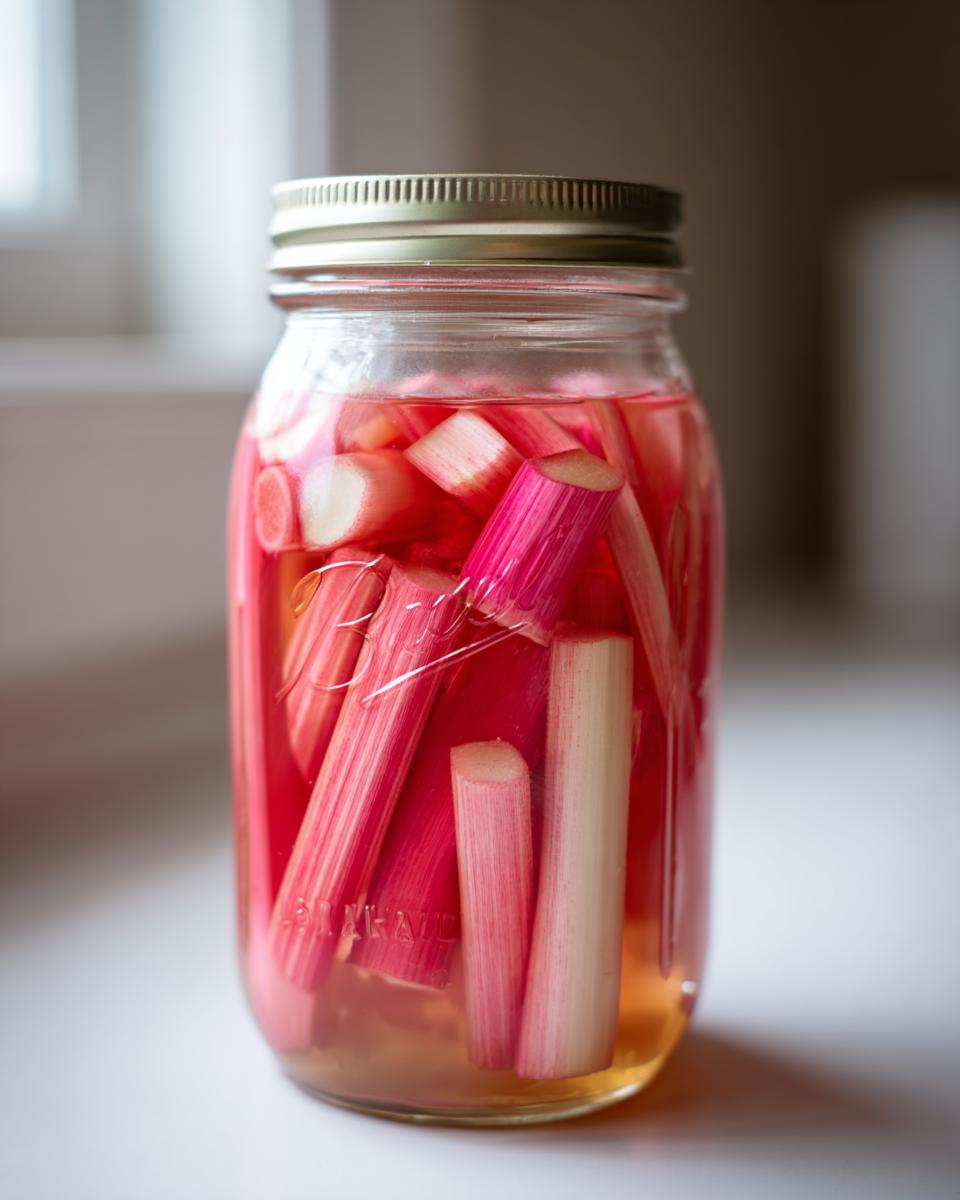
First, let’s talk texture. If you are hoping for a cucumber-style crunch, you might be surprised. The rhubarb stalks soften up a bit during the fermentation process. They won’t turn to mush, mind you—they have a satisfying density, but they’ll yield nicely when you bite into them. This slightly softer texture is normal for this kind of sour rhubarb recipe.
The flavor, though? Oh, the flavor is unbelievable. It starts with that immediate, bright tanginess. It’s clean, sharp, and works wonderfully to cut through rich foods. That intense sourness is the work of all that good bacteria we’ve been cultivating!
And then comes the warmth. The fresh ginger we added really shines through. It doesn’t burn like chili heat; it’s more of a gentle, earthy warmth that settles on the back of your tongue after the initial tang fades. It makes these probiotic rhubarb recipes feel sophisticated and deeply flavorful, perfect for pairing with cheeses or grilled meats. It’s truly what separates this from other tangy rhubarb preserves you might try someday!
If you want to see more ways to utilize this probiotic magic, I’ve collected some of my favorite ideas over at probiotic rhubarb recipes!
Frequently Asked Questions About Ginger Rhubarb Pickles
I know you have questions! When you start working with traditional preserving methods, especially fermentation, safety comes first. These are some common ones I hear all the time when people are trying out their first rhubarb fermentation recipe.
Do I absolutely have to use a fermentation weight?
I know some beginner fermentation guides suggest skipping the weight, but honestly, for pickles like this, I strongly advise against it. That weight is your insurance policy against mold! If even a tiny piece of rhubarb floats up to the air for too long, you risk contamination. If you don’t have a dedicated glass weight, don’t worry; you can use a smaller, clean glass jar (like a spice jar) filled with water to hold the rhubarb down, as long as it fits inside your main jar. That constant submergence is key for safe vegetable fermentation.
What happens if I use regular iodized table salt?
Please, please don’t! This is one of the biggest mistakes beginners make with homemade spiced pickles. Iodized salt contains additives that are specifically designed to inhibit bacterial growth—which is the exact opposite of what we want happening in our jars. Stick to kosher or sea salt only. Using iodized salt can stop the good bacteria from thriving, leading to a slimy texture or no fermentation at all. Check out my guide on the quick lacto fermentation recipes for a reminder on salt types!
How long until I see bubbles? I want my pickles fizzy now!
Patience, grasshopper! If you want a quick lacto fermentation recipe, rhubarb is a little bit slower than something like cabbage because of its structure. Seeing big, aggressive bubbles usually takes a full day or two, sometimes three, depending on how warm your kitchen is. If you’re impatient, using that optional starter culture or whey definitely helps kickstart things faster. But if you used the 2% brine ratio, you should definitely see some activity within 72 hours. Keep them warm (but not hot!), and they’ll get active!
Can I adjust the ginger level in these ginger rhubarb pickles?
Absolutely! Since we are making fermented vegetables with ginger, you are the boss of the spice level. If you love heat, add a few thin slices of hot pepper along with your ginger! If you only want the faintest whisper of spice, pull the ginger slices out on Day 3 before they have time to fully infuse the brine. This is what’s great about making your first batch of tangy rhubarb preserves—you get to dial in the flavor just for you!
Share Your Tangy Rhubarb Preserves Experience
Well, there you have it! You’ve taken beautiful spring rhubarb and turned it into something truly extraordinary—a flavorful, probiotic condiment ready to jazz up any meal. I truly hope bringing these lacto-fermented rhubarb pickles with ginger into your home brings you the same joy it brings me.
Now, I absolutely live for hearing about your fermentation adventures! Did you use a standard lid or an airlock? Did you find Day 7 to be the perfect level of sour for your tastes? Your feedback helps other home cooks gain confidence in their own traditional preserving methods. Don’t be shy!
Please take a moment to leave a star rating right down below—it helps other folks who are wondering if they should try making these homemade spiced pickles. And if you snap a picture of your beautiful jarred creation, tag us! We love seeing your jars of tangy rhubarb preserves come to life. If you have any tricky questions that didn’t get covered in the FAQ, pop over to the contact page at CravyBite Kitchen contact page, and I’ll do my best to help you out!
PrintLacto-Fermented Rhubarb Pickles with Ginger
Make tangy, probiotic rhubarb pickles using traditional lacto-fermentation combined with the spice of fresh ginger. This recipe guides you through safe vegetable fermentation for a unique condiment.
- Prep Time: 20 min
- Cook Time: 0 min
- Total Time: 20 min
- Yield: 2 quarts 1x
- Category: Condiment
- Method: Lacto-Fermentation
- Cuisine: American
- Diet: Vegan
Ingredients
- 1 pound fresh rhubarb stalks, cut into 1-inch pieces
- 1 inch fresh ginger, thinly sliced
- 3 cups filtered water
- 1.5 tablespoons non-iodized salt (kosher or sea salt)
- 1 teaspoon whey or a small starter culture (optional, for faster fermentation)
Instructions
- Prepare the brine: Dissolve the salt completely in the filtered water. Stir until the water is clear. This creates a 2% salt brine, suitable for safe vegetable fermentation.
- Pack the jars: Place the cut rhubarb and sliced ginger into clean, wide-mouth quart-sized mason jars. Distribute the rhubarb evenly.
- Add the brine: Pour the salt brine over the rhubarb and ginger, leaving about 1 inch of headspace at the top of the jar. If using whey or starter culture, add it now.
- Submerge the vegetables: Place a fermentation weight on top of the rhubarb to keep it fully submerged beneath the brine. This step is crucial for safe vegetable fermentation.
- Seal the jars: Affix an airlock lid or loosely place a standard lid on the jar. Airlocks allow gases to escape without letting air in.
- Ferment: Place the jars in a cool, dark place, ideally between 65°F and 72°F. Check daily for signs of active fermentation, such as bubbles rising.
- Monitor fermentation: For the first few days, check the jars daily. If using a standard lid, ‘burp’ the jar (briefly open and close the lid) once or twice a day to release pressure. Active fermentation usually begins within 24 to 72 hours.
- Taste and finish: Allow the pickles to ferment for 5 to 10 days, tasting after day 5. When the flavor is tangy enough for your preference, remove the weights and secure the lids tightly.
- Store: Transfer the finished lacto fermented rhubarb pickles to the refrigerator. They will keep for several months.
Notes
- Use only non-iodized salt for vegetable fermentation; iodine can inhibit beneficial bacteria growth.
- Ensure all rhubarb stays below the brine line to prevent mold growth.
- The texture will soften slightly during fermentation, resulting in a tangy rhubarb preserves.
- If you see white film (kahm yeast) on the surface, skim it off; it is generally harmless but indicates too much air exposure.
Nutrition
- Serving Size: 1/4 cup
- Calories: 15
- Sugar: 1
- Sodium: 250
- Fat: 0.1
- Saturated Fat: 0
- Unsaturated Fat: 0
- Trans Fat: 0
- Carbohydrates: 3
- Fiber: 1
- Protein: 0.5
- Cholesterol: 0