

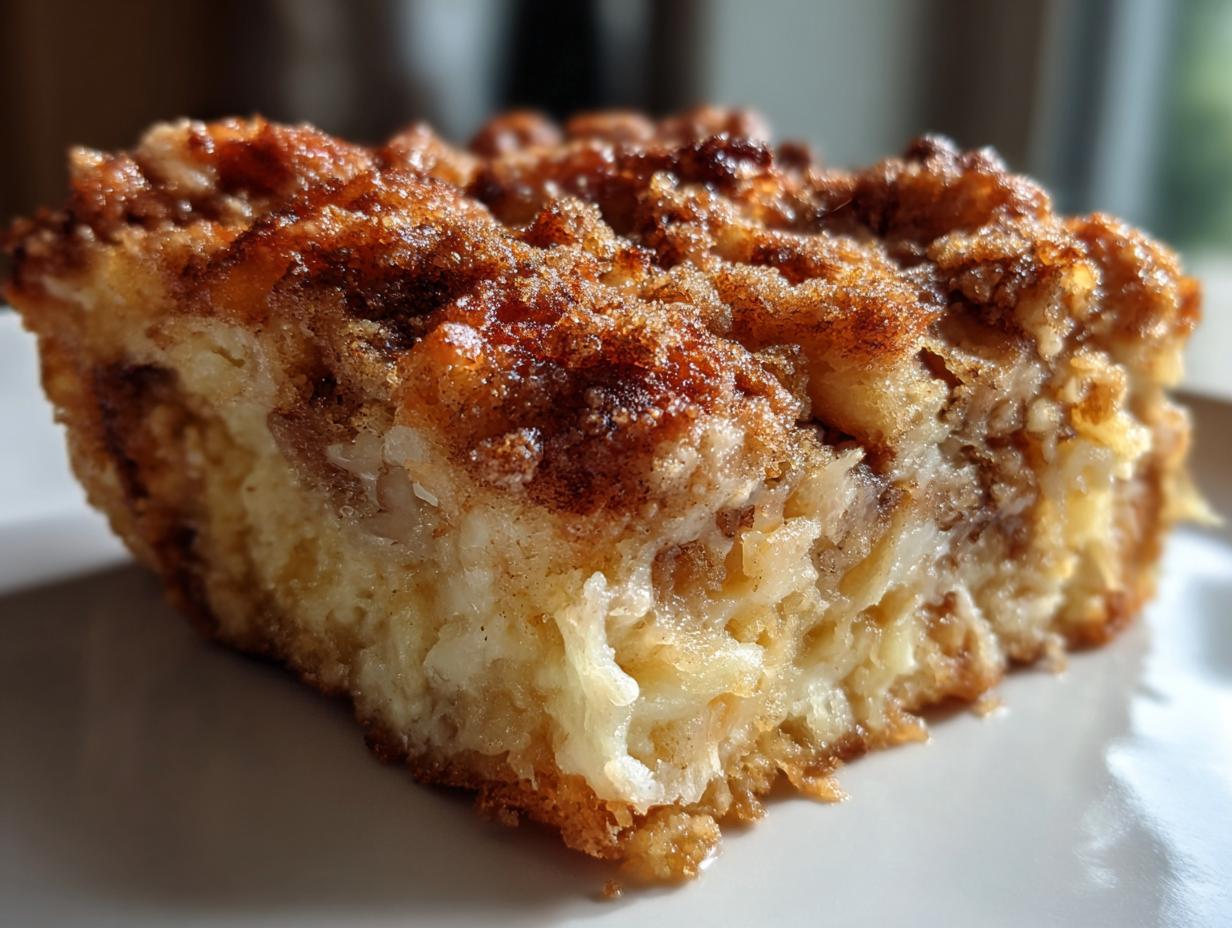
There is pure magic in waking up on a busy weekend morning, stumbling downstairs, and realizing the main dish for brunch is already done, just waiting for its time in the oven. That feeling? That’s pure culinary victory, and this recipe is the blueprint for achieving it. Forget flipping individual slices; we’re making the Ultimate Make-Ahead Overnight French Toast Casserole. This isn’t just a recipe; it’s my secret weapon for turning chaotic holiday mornings or lazy Sunday brunches into something genuinely relaxing. As a cook who values tradition but lives in the real world, I can tell you that having this incredible french toast casserole ready to go saves my sanity every time. Trust me, once you try this overnight method, you won’t go back!
- Why This Make Ahead Breakfast Bake is Your New Weekend Brunch Centerpiece
- Gathering Ingredients for the Ultimate French Toast Casserole
- Step-by-Step Guide to Making Your Overnight French Toast Casserole
- Baking Your Fluffy Baked Breakfast Perfection
- Tips for a Stress Free Morning Meal Success
- Serving Suggestions for Your Crowd Pleasing Breakfast
- Storage and Reheating Instructions for Leftover French Toast Casserole
- Frequently Asked Questions About This Easy Casserole Recipe
- Understanding the Nutrition of Your Homemade Breakfast Casserole
Why This Make Ahead Breakfast Bake is Your New Weekend Brunch Centerpiece
Honestly, if you are hosting brunch, you need a showstopper that doesn’t require you to stand over the stove flipping pieces of bread while everyone chats around you. That’s why this make ahead breakfast bake is essential in my rotation. It transforms a morning chore into a simple oven task. You prepare it the night before, pop it in the fridge, and come morning, you have the ultimate brunch centerpiece ready to go. Plus, it bakes up beautifully, making it incredibly reliable as a crowd pleasing breakfast.
The convenience is huge, but what really makes people ask for the recipe is the texture. We aren’t aiming for soggy bread here; we are aiming for something dreamy!
The Secret to Custardy French Toast Texture
The absolute key to getting that pillowy, melt-in-your-mouth result is giving the bread enough time to really drink up that rich egg mixture. When I talk about a perfect custardy french toast, I mean that the custard has fully penetrated every cube. If you rush it, the center stays wet and the edges get dry. Using day-old bread is crucial because it’s slightly dry already—it soaks up liquid like a sponge without immediately falling apart. That overnight marriage between the bread and the custard is non-negotiable for achieving that tender, baked-pudding texture.
Gathering Ingredients for the Ultimate French Toast Casserole
Okay, now that we know this is going to be the MVP of your next brunch, let’s talk about what you need to pull this beauty together. Because this is an overnight bake, the quality of the ingredients really shines through the next morning. We need a few core items for the spices and the custard, but the real star has to be the bread. You definitely want the absolute best brioche french toast bread you can find—or challah, if you prefer! Below is the list; grab everything and get ready for easy assembly.
Ingredient Clarity and Bread Choice
When you grab your bread, remember we need about a 13-ounce loaf, which you’ll cube into nice, substantial 1-inch pieces. Don’t panic about cutting them perfectly; rustic cubes are just fine! For the custard base, make sure that the half-cup of butter is fully melted before you start whisking it in. This helps it fully emulsify with the eggs and milk, and it’s key to getting that rich mouthfeel we are aiming for. Everything else is straightforward, but paying attention to those details, like using good vanilla, pays off huge in flavor!
Step-by-Step Guide to Making Your Overnight French Toast Casserole
This is where the magic happens, but don’t worry, this is honestly one of the most straightforward easy casserole recipes you’ll ever make! Since this is designed as an overnight french toast bake, we have two simple phases: putting it together tonight, and baking it tomorrow morning. Remember, the less you have to do when you’re half-awake reaching for the coffee pot, the better!
Assembling the French Toast Casserole Base
First things first: grease up that 9×13 inch baking dish. I like to use a little bit of butter spray followed by a light dusting of flour, just for extra security. Next, arrange all those beautiful 1-inch bread cubes evenly across the bottom. Now for the spices! You’re going to whisk the brown sugar, cinnamon, nutmeg, and salt together really well. Don’t just dump it on; make sure that spice and sugar mixture is evenly distributed over all the bread cubes—this creates those lovely caramelized pockets later. Make sure you do this *before* you pour the wet stuff!
In a separate, large bowl, we build the custard base. Whisk those six eggs until they are smooth, then slowly add the milk, heavy cream, and vanilla. Keep whisking until everything looks happy and combined. Finally, that melted butter goes in last—always drizzle that in gently while continuing to whisk. Once your custard is ready, pour it slowly and evenly right over the spiced bread. Don’t be shy, but do use your hand or a spatula to gently press down on the bread so every single cube starts soaking up that goodness immediately.
The Overnight Chill and Morning Bake Prep
This is the most important step for texture! Cover that dish tightly with plastic wrap—I usually double-wrap mine just to be safe—and tuck it into the fridge. It needs a minimum of four hours of chilling, but trust me, heading into the next day knowing this is waiting for you is the best feeling. The longer it soaks, the more custardy french toast you get!
When morning comes, pull that dish out and preheat your oven to 350 degrees Fahrenheit. Take that plastic wrap off! Now, for that irresistible topping: mix your granulated sugar and the remaining cinnamon together until it looks like perfect cinnamon sugar. Sprinkle this mixture generously and evenly over the top of the overnight bake. It only takes about 50 minutes to bake, and you’ll smell how amazing it is long before it’s done!
Baking Your Fluffy Baked Breakfast Perfection
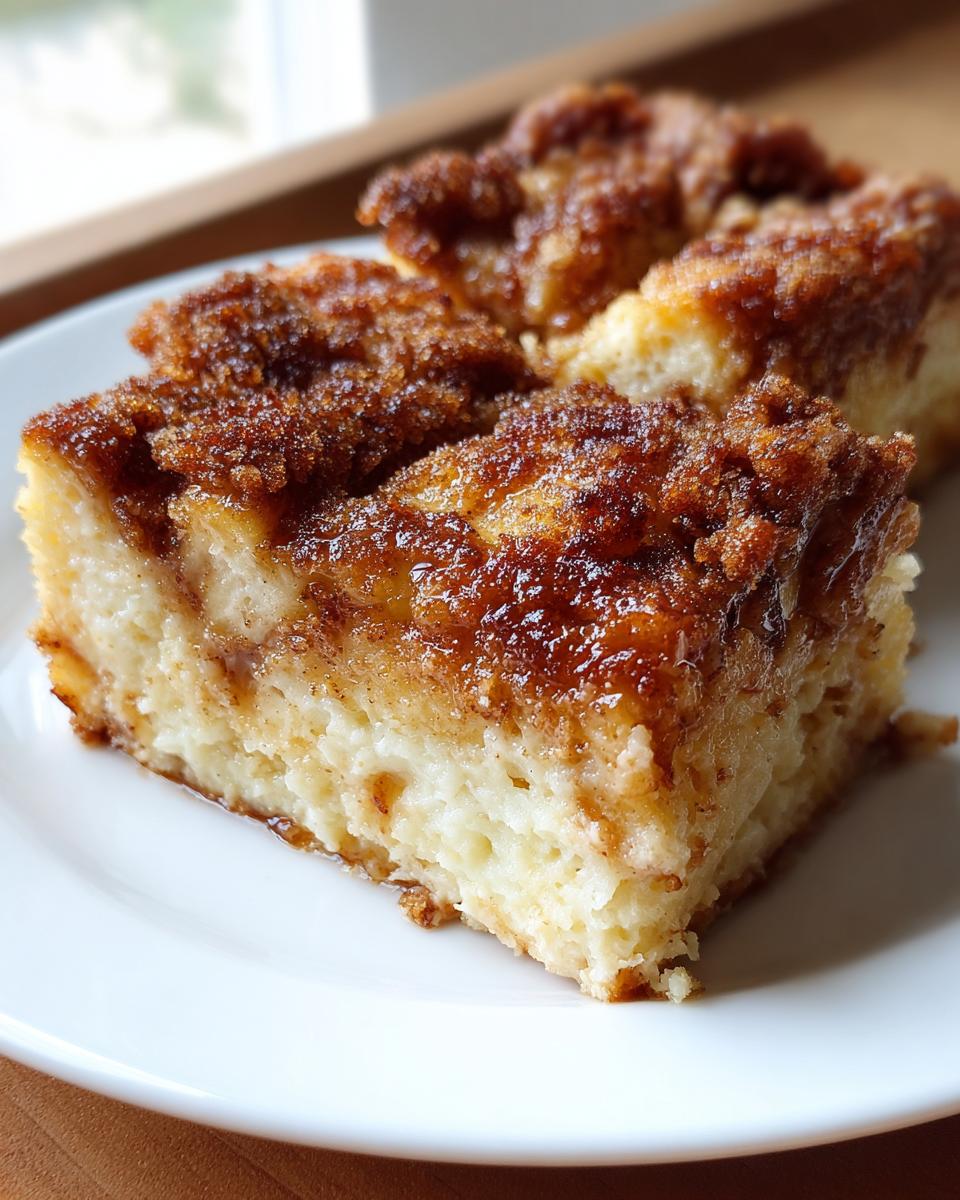
Now comes the payoff for your overnight planning! Once you’ve added that sweet cinnamon sugar topping, slide the dish into the waiting 350-degree oven. This is where we transform a perfectly soaked base into a delightful, fluffy baked breakfast centerpiece. You are looking for patience here, as the bake time is usually between 45 and 55 minutes. Don’t just rely on the timer, though! You want to see that casserole puffed up nicely and beautifully golden brown all over.
The ultimate test for doneness is checking the center. Stick a knife in near the middle—it absolutely has to come out clean, not wet with raw egg mixture. If it’s clean, you’re done! But hang on just one second! This next step is crucial for keeping that custardy quality: you have to let the baked french toast casserole rest for a full 10 minutes on the counter after it comes out. If you cut into it right away, all that lovely steam and liquid structure just collapses. Those ten minutes let everything settle and firm up just enough so that every slice holds its shape while still feeling incredibly tender underneath.
Tips for a Stress Free Morning Meal Success
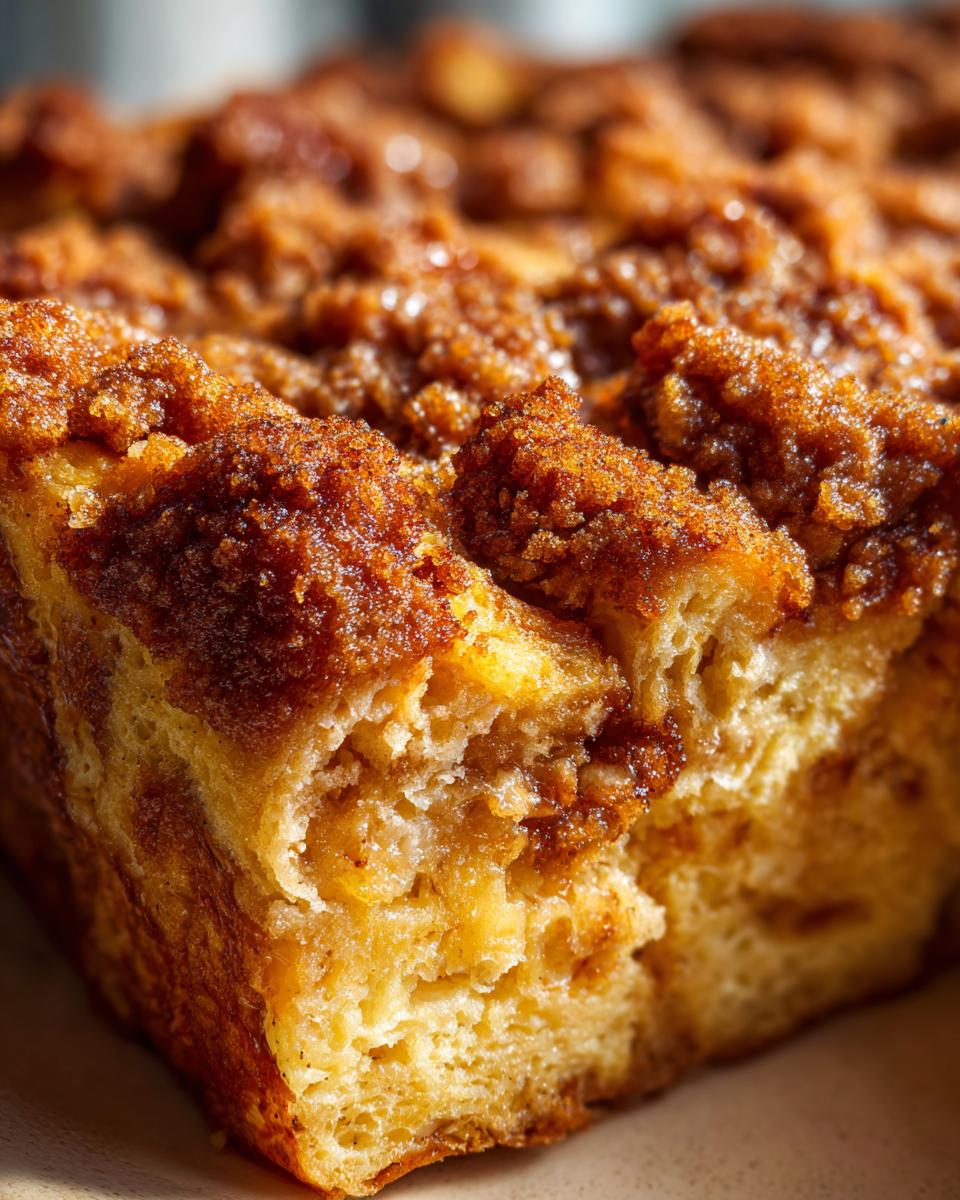
Preparing this french toast casserole the night before is the foundation of a truly stress free morning meal. It’s my number one strategy when we are hosting big family gatherings, especially around the holidays. I remember one Christmas morning when things were just pure chaos—kids running everywhere, last-minute gift wrapping—and I just smiled because I knew breakfast was handled. That peace of mind is priceless! This recipe is built to give you that breathing room, whether you’re whipping up holiday breakfast ideas or just trying to enjoy a slow Saturday.
Ingredient Substitutions for Your French Toast Casserole
While the recipe calls for a specific base, I know we all sometimes need to pivot based on what’s in the fridge. If you want to really lean into richness—I mean, decadent territory—you can totally substitute half of your whole milk measurement with heavy cream or half-and-half. It makes the final texture even more luxurious, almost like a sweet bread pudding style!
Now, about the bread: the recipe loves brioche or challah because they are sturdy and rich. But if you only have a sturdy sourdough loaf hanging around, go for it! Just be aware that sourdough adds a tiny bit of tang, which actually cuts the sweetness nicely. Just make sure you use day-old slices. Day-old bread is key across the board because it allows the custard to soak in completely without turning the whole thing soggy on you.
Serving Suggestions for Your Crowd Pleasing Breakfast
Once this magnificent french toast casserole comes out of the oven, the final step is making it look as good as it smells! Of course, you can never go wrong with warm maple syrup and heaps of fresh berries—strawberries or raspberries just pop against that cinnamon sugar topping.
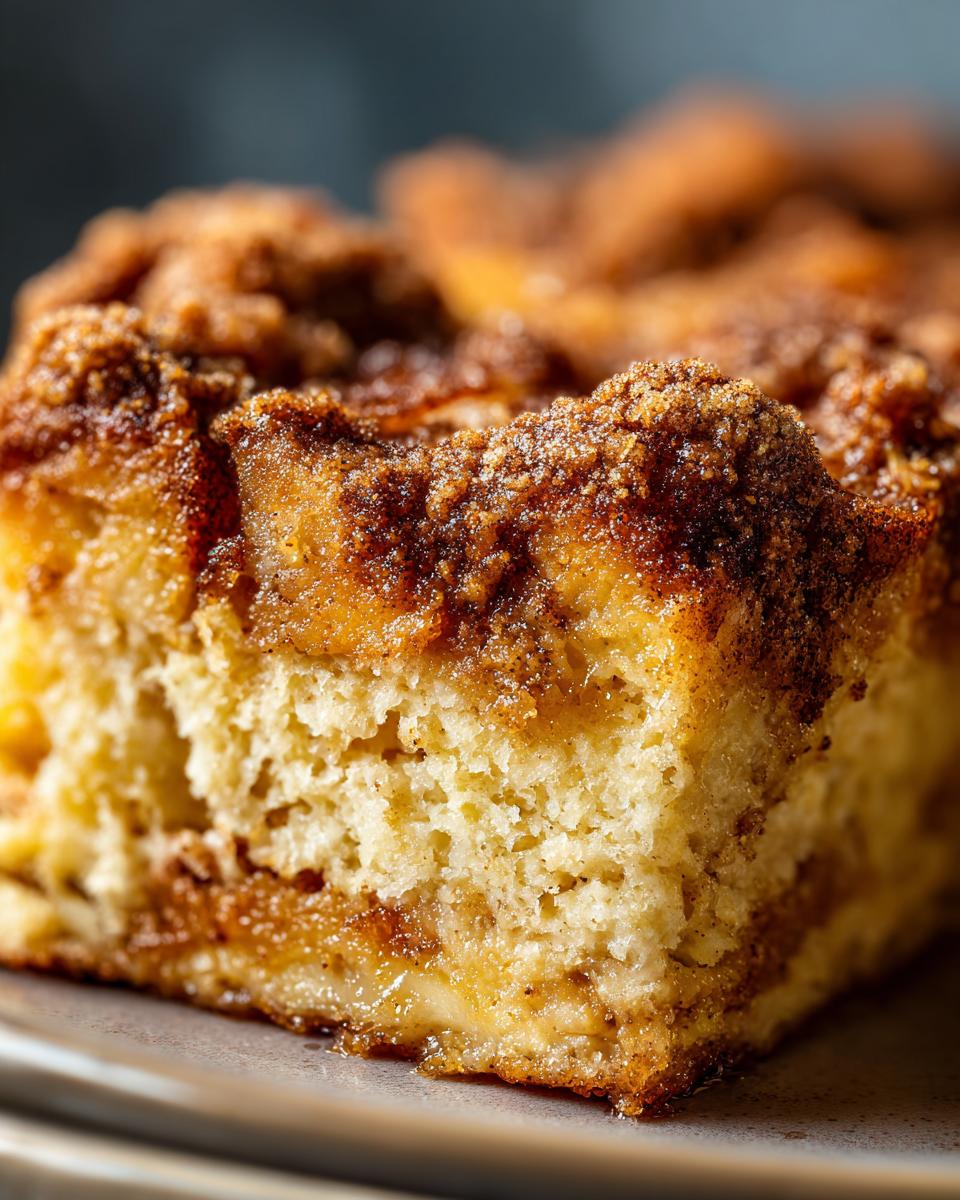
But for my favorite twist during our weekend brunch recipes, try serving it with a dollop of lightly sweetened Greek yogurt instead of whipped cream. The slight tang offers the perfect counterpoint to the rich brown sugar. It’s simple, elegant, and always gets devoured!
Storage and Reheating Instructions for Leftover French Toast Casserole
You know, this casserole is so good—and it makes such a big batch—that you are probably going to have leftovers, even if you try to feed a crowd! And guess what? This recipe is honestly even better the next day. The flavors keep melding together overnight in the fridge. Don’t waste a single bite!
If you have any of this amazing baked french toast left, the key is proper storage to keep that beautiful custard from getting weird. Just let the casserole cool down to room temperature first—don’t put a piping hot dish straight into the fridge, please! Once it’s cool, cover the entire baking dish tightly with aluminum foil or plastic wrap. Keep it stored in the refrigerator. It stays fresh and delicious like this for about three or maybe even four days. Keeping it covered prevents it from drying out or absorbing any funky fridge smells.
When you want to reheat it? I strongly prefer the oven because it brings back that crispy edge and fluffy center we worked so hard for. Pop a serving or the whole thing (covered with foil) back into a 325-degree oven until it’s heated through. That usually takes about 15 to 20 minutes for a single slice, maybe 30 minutes if you do the whole tray.
If you’re in a rush and only need a quick bite, the microwave works in a pinch, but be warned—it won’t have that lovely crispy top. Just microwave a slice for about 30 seconds, checking every 10 seconds or so. Be careful not to overdo it, or you’ll end up with rubbery french toast! A little splash of milk on top before microwaving can also help keep things moist.
Frequently Asked Questions About This Easy Casserole Recipe
It’s totally normal to have a few questions when you’re trying a new make-ahead dish, especially one you’re counting on for a big brunch! I get asked a lot about substitutions and timing. Honestly, getting the timing right is what changes this from a good bake to a truly amazing easy casserole recipe. Here are the main things I hear people wondering about, so you can be totally confident when you place that dish in the fridge!
Can I use regular sandwich bread instead of brioche for this french toast casserole?
You certainly can, but you’ll notice a difference in the final texture, and that’s important! Brioche or challah breads are enriched, meaning they have more fat and sugar in them naturally. This richness makes the final product so much softer and creamier—that’s what gives you that high-end custardy french toast texture.
If you use standard sandwich bread, it tends to absorb the custard much faster but can also lose its structure more easily. If you must use it, make sure it’s a hearty, thick-cut white bread, and try to cut it into slightly larger cubes than you would with brioche. Also, definitely try to drain off any excess liquid before baking if you feel like it’s too wet after soaking!
What is the maximum time I can let the french toast casserole soak overnight?
While I always say “preferably overnight” because that’s when the flavors develop best, you don’t want to push your luck too far! If you leave it soaking for more than 18 hours, you run the risk of the bread disintegrating into mush, especially if your bread was very fresh to begin with. For the most reliable texture for your make ahead breakfast bake, aim to assemble it in the evening (say, around 7 PM) and pull it out of the fridge right before you preheat the oven the next day (between 8 AM and 11 AM). That gives us the perfect overnight soak without any sogginess concerns!
Understanding the Nutrition of Your Homemade Breakfast Casserole
Now, I know some of you lovely cooks are tracking macros or just curious about what exactly you’re serving up for brunch! Since this is a rich, comforting dish made with brioche, eggs, and cream, it definitely falls into the category of a weekend or holiday treat, not an everyday staple. But that doesn’t mean we can’t sneak a peek at the numbers!
Here are the estimated nutritional facts based on my recipe calculations. Keep in mind these are just ballpark figures, because your exact result will definitely change depending on if you use whole milk versus half-and-half, or the exact type of bread you choose for your french toast casserole!
- Serving Size: 1 slice
- Calories: 350
- Sugar: 25g
- Fat: 16g (9g Saturated Fat)
- Carbohydrates: 45g
- Protein: 12g
See? It’s decadent, but you’re also getting a solid boost of protein from all those eggs we used in the custard! Enjoying a delicious homemade breakfast casserole like this guilt-free is all about context—it’s perfect for that special occasion when you want something truly memorable. Eat well, my friends, and save the tracking for Tuesday!
Print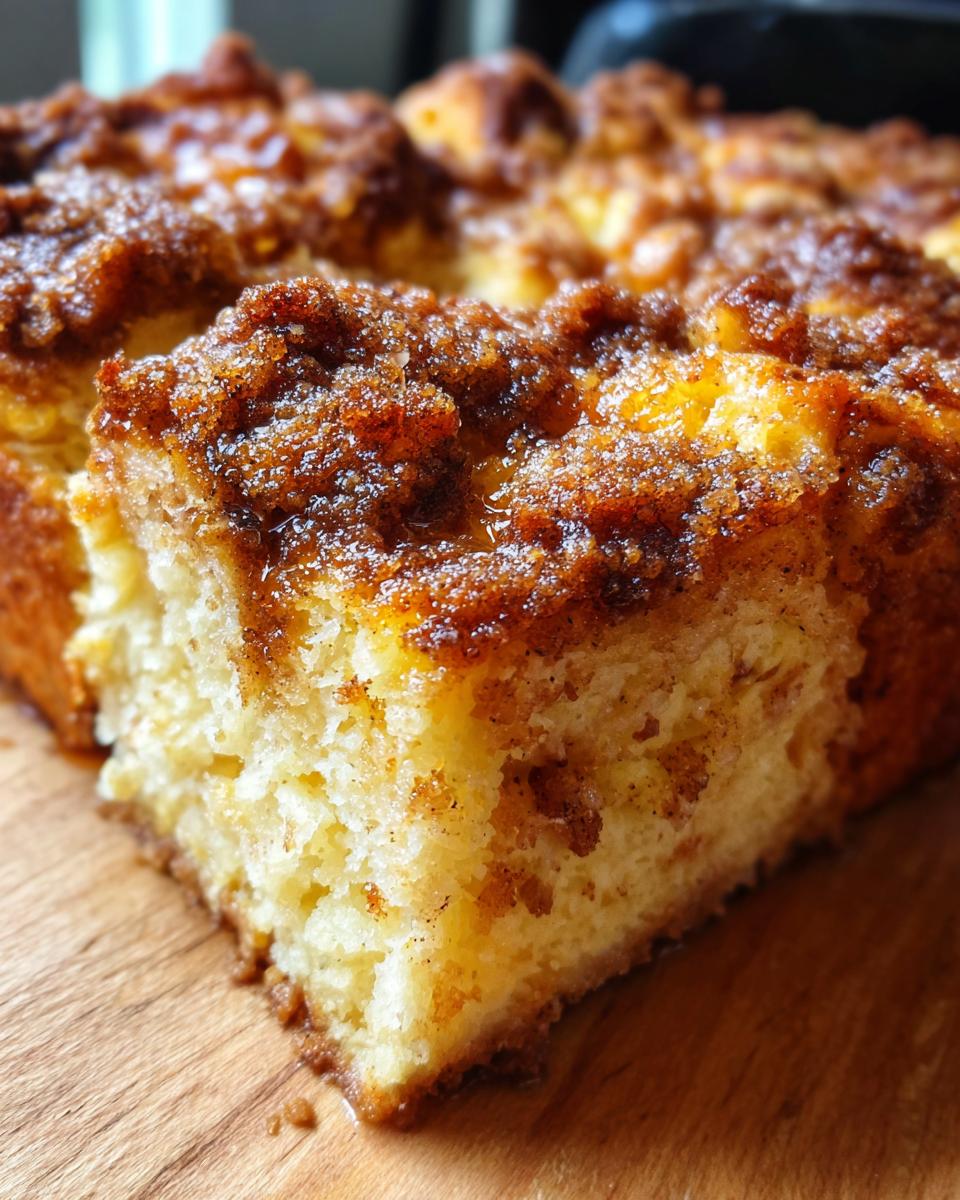
Ultimate Make-Ahead Overnight French Toast Casserole with Cinnamon Streusel
Prepare this rich, custardy French Toast Casserole the night before for a stress-free morning meal. It bakes up fluffy with a sweet cinnamon sugar topping, making it a perfect crowd-pleasing breakfast centerpiece for brunch or holidays.
- Prep Time: 20 min
- Cook Time: 50 min
- Total Time: 1 hr 10 min
- Yield: 10 servings 1x
- Category: Breakfast
- Method: Baking
- Cuisine: American
- Diet: Vegetarian
Ingredients
- 1 (13-ounce) loaf brioche or challah bread, cut into 1-inch cubes
- 1 cup packed light brown sugar
- 1 tablespoon ground cinnamon
- 1 teaspoon ground nutmeg
- 1/2 teaspoon salt
- 6 large eggs
- 2 cups whole milk
- 1/2 cup heavy cream
- 2 teaspoons vanilla extract
- 1/2 cup (1 stick) unsalted butter, melted
- 1/2 cup granulated sugar (for topping)
Instructions
- Grease a 9×13 inch baking dish.
- Arrange the bread cubes evenly in the prepared baking dish.
- In a medium bowl, whisk together the brown sugar, cinnamon, nutmeg, and salt. Sprinkle this mixture evenly over the bread cubes.
- In a large bowl, whisk together the eggs, milk, heavy cream, and vanilla extract until fully combined.
- Slowly whisk the melted butter into the egg mixture.
- Pour the custard mixture evenly over the bread cubes, pressing down gently to help the bread absorb the liquid.
- Cover the dish tightly with plastic wrap and refrigerate for at least 4 hours, or preferably overnight.
- When ready to bake, preheat your oven to 350 degrees Fahrenheit. Remove the plastic wrap.
- In a small bowl, mix the granulated sugar to create the cinnamon sugar topping. Sprinkle this evenly over the top of the casserole.
- Bake for 45 to 55 minutes, or until the casserole is puffed, golden brown, and the center is set (a knife inserted near the center comes out clean).
- Let the baked french toast casserole rest for 10 minutes before slicing and serving warm.
Notes
- Use day-old bread for the best texture; it absorbs the custard better without becoming too mushy.
- For a richer flavor, substitute half of the milk with half-and-half.
- Serve with maple syrup or fresh berries for a complete brunch centerpiece.
Nutrition
- Serving Size: 1 slice
- Calories: 350
- Sugar: 25g
- Sodium: 350mg
- Fat: 16g
- Saturated Fat: 9g
- Unsaturated Fat: 7g
- Trans Fat: 0g
- Carbohydrates: 45g
- Fiber: 2g
- Protein: 12g
- Cholesterol: 150mg