

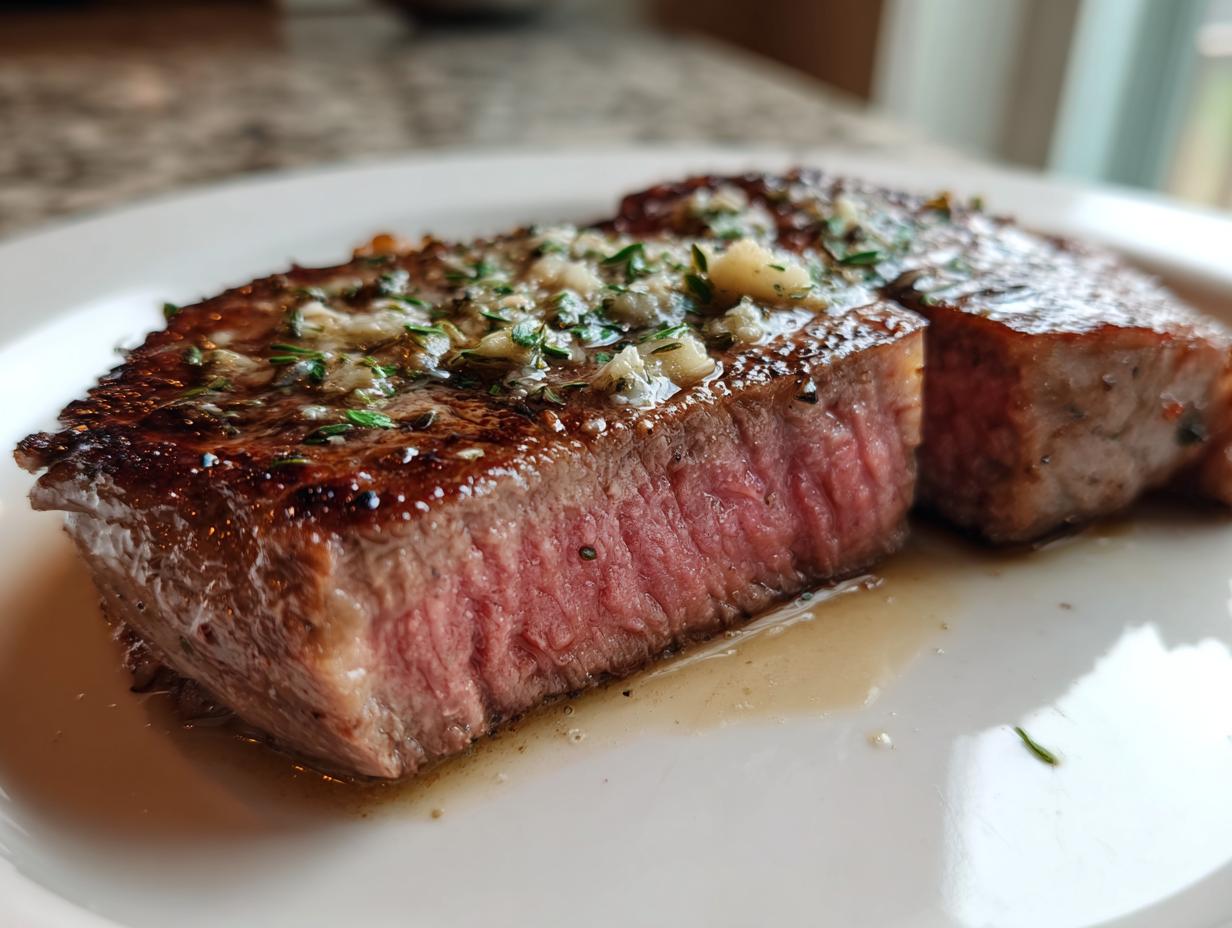
I’m going to let you in on a little secret, friends: that phenomenal, crusty, unbelievably juicy ribeye steak you think you can only get at a fancy steakhouse? You can absolutely make it an easy weeknight reality. Forget complicated ovens or endless grilling sessions. For me, achieving restaurant quality steak at home comes down to two things we do right here on the stovetop: mastering the screaming hot cast iron sear and finishing with an aromatic garlic butter baste. I’m Jess Carter, and trust me, it’s all about the technique, not complexity. When you treat your ingredients right, spectacular results follow every single time.
- Why This Is the Best Ribeye Steak Recipe for Home Cooks
- Essential Ingredients for a Perfect Ribeye Steak
- Mastering the Pan Seared Steak Cast Iron Technique for Your Ribeye Steak
- The Garlic Butter Steak Basting Method for a Juicy Ribeye Steak
- How to Cook Ribeye Steak to Medium Rare Steak Instructions
- The Non-Negotiable Steak Resting Guide for Maximum Juiciness
- Tips for Success When Making a Ribeye Steak
- Serving Suggestions for Your Gourmet Steak Dinner
- Storage and Reheating Instructions for Leftover Ribeye Steak
- Understanding the Nutrition of This Buttery Steak Recipe
- Share Your Cast Iron Steak Perfection Experience
Why This Is the Best Ribeye Steak Recipe for Home Cooks
When I talk about the best ribeye steak recipe, I’m talking speed and crust. Grilling is great, but you need perfect weather, and ovens take forever to preheat and heat up the whole house! My focus, thanks to my background in nutrition and understanding thermal dynamics, is controlled chaos. The cast iron pan ensures we get that shatteringly crisp crust that makes a restaurant quality steak at home unforgettable. Plus, it’s fast! You can go from fridge to plate in under 30 minutes. If you need something reliable for an unexpected dinner, remember you can find more quick options over at quick, easy weeknight dinners.
Essential Ingredients for a Perfect Ribeye Steak
We don’t need a massive grocery list here, but what we use matters a whole bunch. When you’re creating something as simple and elegant as a pan-seared ribeye steak, every single ingredient has to pull its weight. We are focusing on the flavor of the beef itself, enhanced by high-heat caramelization and rich aromatics. Don’t skimp here; quality counts!
Selecting and Preparing Your Ribeye Steak Cut
First up, the star! You absolutely need a beautiful, thick cut. I insist on 1.5-inch thick ribeye steaks, minimum. Thicker cuts give us the wiggle room we need for that deep, dark crust without accidentally overcooking the center. And please, take your steaks out of the fridge about an hour before they hit the skillet. Letting them come up closer to room temperature is a huge juicy ribeye steak tip—it helps cook them evenly from edge to edge.
The Power of Seasoning: Salt, Pepper, and More Steak Seasoning Ideas
Before we even think about heat, we season. And I mean season! Don’t be shy with the coarse kosher salt and freshly cracked black pepper. This isn’t just cosmetic; the salt begins working its magic almost immediately. You want a heavy, even coating on both sides of that raw ribeye steak. This seasoning mixture is the very foundation of that amazing crust we are chasing, so don’t be timid with your steak seasoning ideas here!
Mastering the Pan Seared Steak Cast Iron Technique for Your Ribeye Steak
Okay, this is where the magic happens, and it all centers around that heavy cast iron skillet. Seriously, if you don’t have one yet, you need to invest in one for amazing results. We are aiming for maximum heat—think surface-of-the-sun hot! We need that skillet smoking before anything else goes in because that extreme heat is what guarantees that beautiful perfect steak sear we dream about. This is true pan seared steak cast iron perfection in action.
You’ll coat your dry, seasoned ribeye steak with a high-smoke-point oil, and when you gently lay that steak down—maybe hear a loud *hiss*—you do not touch it. Don’t prod it, don’t peek at it. Resist the urge! We need those deep brown developing flavors locked in without steam messing up our crust. If you’re looking for more flavor inspiration while you’re getting your sear on, I have a wonderful garlic parmesan chicken bake recipe you’ll love for another night.
Achieving the Perfect Steak Sear Crust
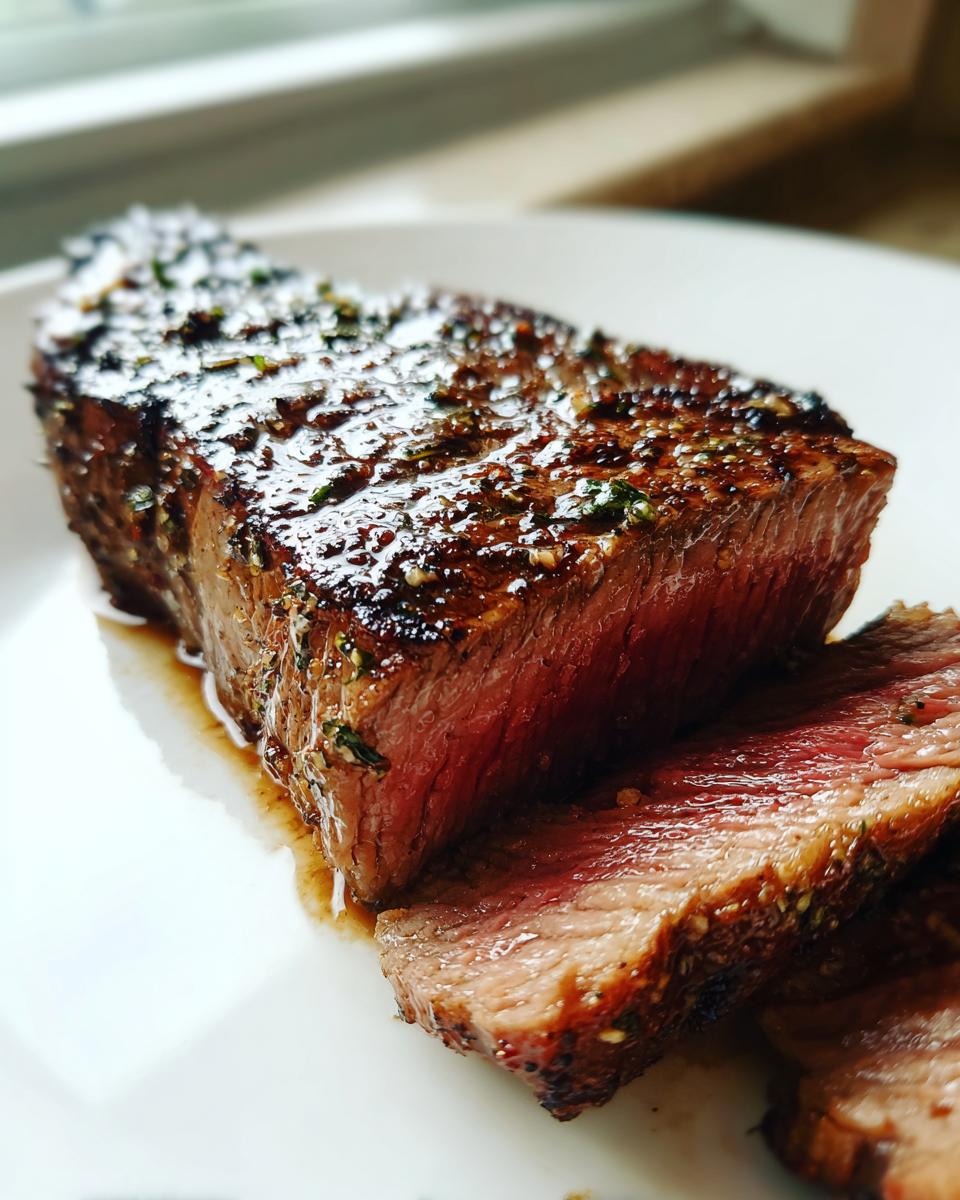
That first contact is everything! You let that steak sit there undisturbed for a full three to four minutes. It takes that long for the Maillard reaction—the fancy science word for delicious browning—to truly kick in. When you finally lift it, you should see a deep, rich mahogany color covering the whole surface. If it’s pale or sticks at all, your pan wasn’t hot enough! This crust is what separates a good steak from a phenomenal one, and it’s incredibly satisfying to achieve this perfect steak sear right here at home. For more pro tips on this specific technique, I love checking out guides like the one discussing Gordon Ramsay’s cast iron method.
The Garlic Butter Steak Basting Method for a Juicy Ribeye Steak
Once you nail that first crust—and I mean really nail it—it’s time for my favorite part: basting! This is where we inject richness and seriously boost that juicy ribeye steak tip factor. Flip the steak over, and immediately drop in your cold butter, those smashed garlic cloves, and a couple of sprigs of fresh thyme or rosemary. Don’t let the butter burn!
As the butter melts, tilt your cast iron skillet just slightly so the glorious, foaming liquid puddles up on one side. Grab a large spoon and start spooning that herby, garlicky butter right over the top of the steak, again and again. This isn’t just decoration; it’s quickly infusing flavor into the searing surface while adding essential fat for moisture. It’s fast, it’s dramatic, and it smells absolutely divine! If you want to practice making incredible flavored butter for other dishes, check out my recipe for easy homemade garlic butter recipe.
You continue this active basting while letting the steak finish cooking. It’s totally hands-on, but keeping that butter moving over the meat ensures every single part gets coated in aromatic goodness. This is honestly the secret sauce to getting that melt-in-your-mouth tenderness right alongside that hard-earned crust.
How to Cook Ribeye Steak to Medium Rare Steak Instructions
Now we need to talk about temperature, because guessing is the fastest way to end up with sad, overcooked meat. This is where knowing the right medium rare steak instructions saves the day. For me, medium-rare is the absolute sweet spot for a rich ribeye steak; it’s that perfect balance of juicy texture and deep red center.
You absolutely must, must, *must* use an instant-read thermometer. Seriously, this is one of the most important tools for any beef steak cooking methods—it removes all the guesswork! Pull your steak off the heat when the thermometer reads 125°F if you want a perfect 130°F to 135°F after resting. That carryover cooking time after it leaves the pan is real magic, so account for it!
If you are dealing with a really monster, super-thick cut, say two inches or more, you might want to opt for the sear-and-finish method. After you get that fantastic crust going on the stovetop (about 2 minutes per side), you carefully transfer that whole hot cast iron skillet right into a 400°F oven. This lets the interior bake gently without scorching the outside. You can read all about how to transfer heat efficiently in my guide to how to cook ribeye steak on the stove for great results.
Keep checking that temperature religiously! Once you hit your target, pull it out immediately. Cooking steak is less about time and more about internal heat. If you want to practice your slicing technique ahead of time, I highly recommend checking out my instructions for steak fajitas; it’s great for practicing slicing against the grain!
The Non-Negotiable Steak Resting Guide for Maximum Juiciness
I know, I know. Your gorgeous, deeply crusted ribeye steak is sitting there, smelling incredible, and you’re starving. You want to slice into it right now, right? Please, for the love of a truly fantastic steak dinner, don’t do it! If you skip this step, you are wiping away all that hard work you just put into searing that perfect crust.
Resting is the final, and perhaps most crucial, part of my juicy ribeye steak tips arsenal. When meat is cooking, the intense heat causes all the muscle fibers inside to tense up and squeeze the moisture—those delicious juices—right towards the center. If you cut into it immediately, all that fantastic liquid just floods out onto your cutting board, leaving you with a drier steak, even if you hit the perfect temperature.
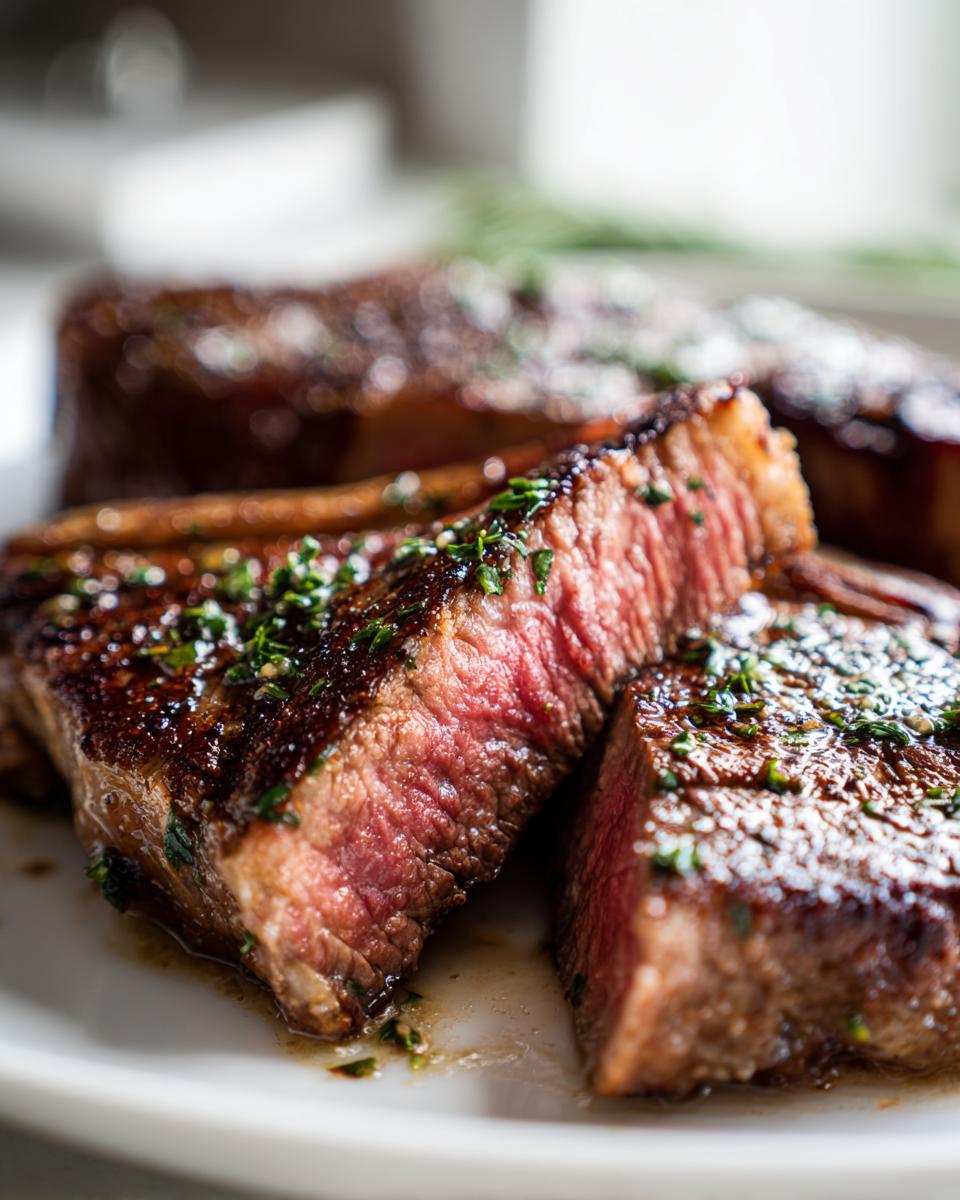
When you pull that steak off the heat, those tense muscle fibers need time to relax and loosen up. This short period allows those juices to slowly redistribute evenly throughout the entire cut of beef. Think of it like letting a tense spring unwind. This simple patience is the secret behind that moist, tender bite you expect from a restaurant quality steak at home.
How long is non-negotiable? I insist on a minimum of 10 minutes for a steak this thick. Cover it loosely with a piece of foil—don’t wrap it tight, or you’ll steam that beautiful crust we worked so hard to achieve! If you have an incredibly thick center-cut, you can go even longer, maybe up to 15 minutes. Seriously, use this time to make a quick side salad or pour yourself a glass of wine, because this steak resting guide is mandatory for anyone serious about great steak.
Tips for Success When Making a Ribeye Steak
Now that you have the main steps down—the prep, the sear, the baste, and the rest—I want to send you off with a few final pointers. These are the little extra details that turn a good attempt into something truly spectacular every single time you make this ribeye steak recipe. Think of these as the things I learned over years of practice!
First and foremost, I cannot stress the dryness enough. Your paper towel budget is going up for this one recipe: Pat, pat, PAT the steaks completely dry after they’ve rested on the counter. Any lingering moisture on the surface turns into steam when it hits the black-hot skillet, and steam prevents crispness. We want searing, not steaming! That crust is everything.
Second, if you’re nervous about hitting that perfect medium-rare, invest in a quality instant-read thermometer. I said it before, but it bears repeating, seriously. Learning to trust the numbers—pulling it off the heat at 125°F—is the foundation of consistent results. It’s the difference between guesswork and true culinary confidence when you’re cooking expensive beef like this.
Here’s my personal tip, one I picked up after I stopped relying solely on the thermometer for a while: After you’ve cooked a few of these steaks and you know how long it takes to cook based on your stove’s heat, start learning to feel it. After basting, I gently poke the thickest part of the meat with my clean finger. If it feels firm but still yields softly back, I know it’s close to medium-rare. If it feels rock hard, oops, we passed it! But don’t try this until you’ve mastered the temperature guide first, okay?
Finally, remember those herbs and garlic during the butter baste? Don’t just toss them onto the pan and walk away. Keep spooning that melted, bubbly garlic-thyme butter over the top constantly. This makes sure that rich, savory flavor penetrates deep into the meat during those final minutes, ensuring every bite of your buttery steak recipe is bursting with flavor.
Serving Suggestions for Your Gourmet Steak Dinner
So, you have pulled off the perfect ribeye steak. It’s rested, it’s sliced beautifully against the grain, and it’s calling out to be eaten immediately! The beauty of such a rich, intensely flavorful cut is that it doesn’t need a complicated side dish to accompany it. In fact, loud side dishes just get in the way of that wonderful garlic butter flavor we worked so hard to build. Forget those huge, heavy steakhouse potatoes for tonight; let’s keep things elegant and focused.
When I think about a true gourmet steak dinner, I want something green and something creamy, or maybe something lightly charred, that just acts as a perfect, humble backdrop to the beef. We want our sides to elevate the steak, not compete with it.
My go-to companion is always roasted asparagus. Since the cast iron skillet is already nice and hot from cooking the steak, you can wipe it clean and toss your asparagus spears in the leftover, flavorful butter glaze we created—talk about zero waste! A quick toss with a little salt and pepper, and they roast up in minutes, bringing a nice crispness that contrasts well with the tender steak.
If you’re looking for something heartier but still refined, you cannot beat creamy mashed potatoes, but I like giving them a little upgrade. I usually fold in roasted garlic and a touch of fresh chives into my potatoes. They feel luxurious but are really quite simple to make. If you need a foolproof side that works great alongside steak, you definitely need to check out my recipe for garlic herb roasted veggies recipe; it’s versatile and always a big hit.
Another winner is sautéed mushrooms—cremini or farro, doesn’t matter—cooked quickly in just a splash of that leftover pan flavor if you have any, or simply with a drizzle of olive oil and a pinch of salt. They add an earthy depth that absolutely sings next to the robust flavor of the fatty ribeye. Keep the palette clean, keep the focus on the incredible beef, and you’ve got a meal fit for any special occasion!
Storage and Reheating Instructions for Leftover Ribeye Steak
If you managed to have any leftovers—which, honestly, is rare in my house when I make this ribeye steak—you deserve a prize! But seriously, we don’t waste that beautiful beef. Storing leftovers correctly is key to enjoying that gourmet flavor again the next day without turning it into shoe leather. We put in all that work for the sear and the basting; let’s treat those leftovers with respect!
First things first: safety. Once the steak has cooled down slightly after resting, you need to get it into an airtight container and into the refrigerator right away. Don’t leave it sitting on the counter for hours. Generally, you want to aim to eat any leftover cooked beef within three to four days. Any longer than that, and the quality starts to dip, and bacteria becomes a concern.
Now for the reheating—this is where people usually mess up their perfectly cooked steak. You cannot blast leftover ribeye steak in the microwave! That turns it rubbery and destroys any texture we managed to preserve.
My absolute favorite trick for reheating is something I call the ‘Pan Juices Bath.’ If you happened to save any of those amazing pan drippings we made during the garlic butter basting (and I highly suggest you do!), use those!
- First, slice your leftover buttery steak recipe portions thinly against the grain. This means cutting the way the muscle fibers run, which shortens them and makes chewing easier.
- Place a small, non-stick pan over very low heat—we are talking low like a pilot light.
- Add just a teaspoon of water, broth, or any saved pan juices to the pan. You just want steam and moisture, not enough to actually fry the steak again.
- Lay the thin slices into the pan for just 45 seconds to a minute per side. They should warm through gently, absorbing that moisture, not cook any further.
If you have no pan juices left, you can gently warm the slices in a dry skillet on the absolute lowest setting, flipping constantly. The goal here isn’t browning; it is simply bringing the internal temperature up slightly so it’s not cold. This ensures your leftover ribeye steak is still tender and not tough. It’s a little more effort than microwaving, but trust me, your taste buds will thank you for sticking to low-heat methods!
Understanding the Nutrition of This Buttery Steak Recipe
Alright, let’s talk fuel! We just made an incredibly satisfying, deeply flavorful ribeye steak, and while this recipe is definitely focused on taste and that amazing restaurant quality steak at home experience, I always like to share the nutritional breakdown too, since I came from a nutrition background. Remember, this information is an estimate based on the recipe details provided for a single serving (one steak). It’s not clinical nutrition advice, just a helpful guideline so you know exactly what you’re enjoying!
Because we are using fatty ribeye and a generous helping of butter for that incredible basting, this is certainly a richer meal, but look at that protein powerhouse you’re getting! This buttery steak recipe is naturally carb-free, which is fantastic if you are watching those kinds of macros. It really lets that beef shine!
Here’s the snapshot of what you can expect from one serving of this magnificent ribeye steak:
- Calories: Around 550
- Fat Content: About 40 grams (Remember, a good portion of that is the healthy fats from the beef and the delicious butter we used for basting!)
- Protein: A whopping 45 grams! That’s serious fuel for recovery and feeling satisfied.
- Carbohydrates: 0 grams. Zilch. Nada.
If you are looking to lighten up the dish slightly, you can always trim off any visible chunks of fat from the raw ribeye steak before seasoning, though I’d argue that fat is where most of that rich marbling flavor comes from! For me, eating this rich meal once in a while, balanced with the fresh vegetables we talked about earlier, is what life is all about. Now go enjoy that amazing steak you just cooked!
Share Your Cast Iron Steak Perfection Experience
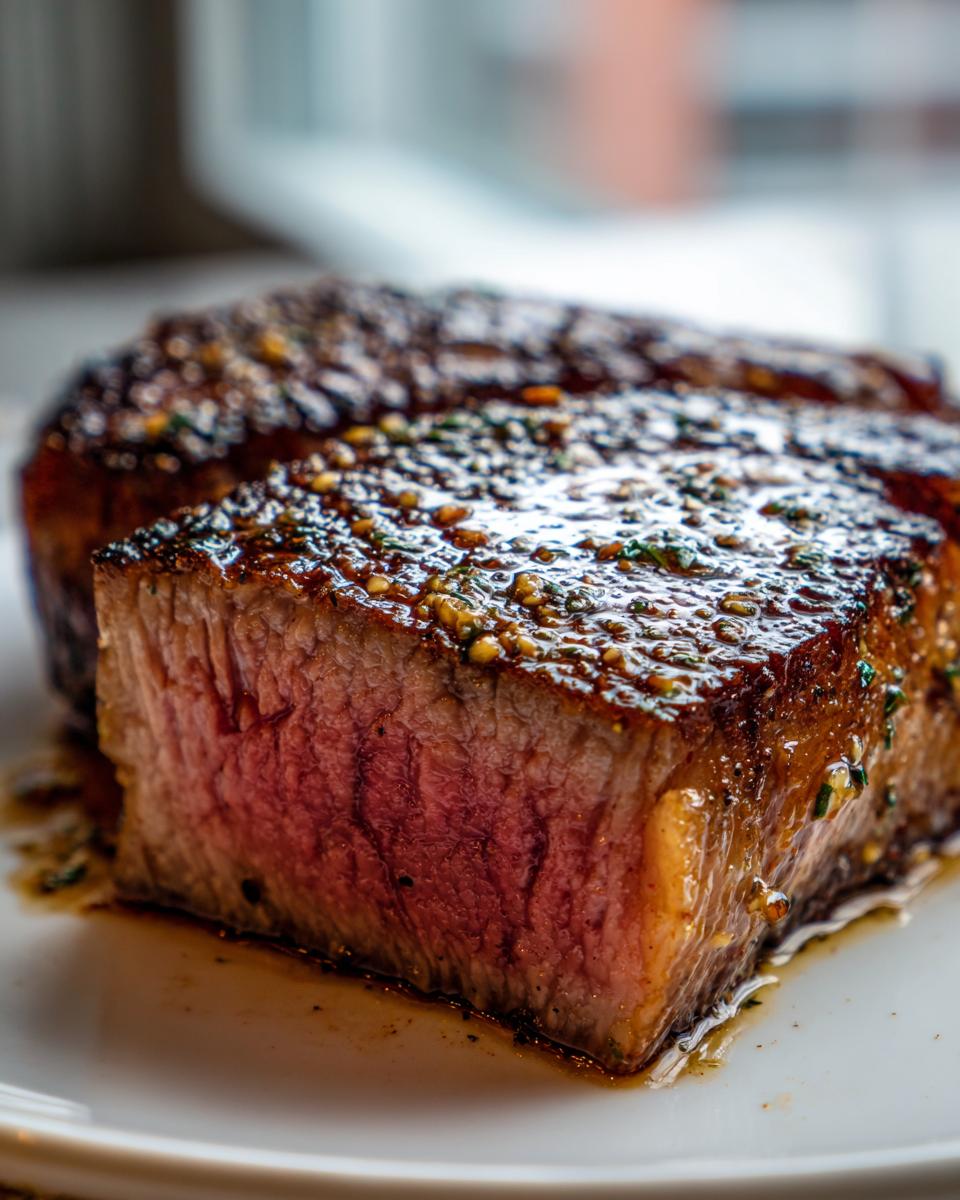
Well, friends, we’ve done it! You have taken a beautiful, raw ribeye steak, treated it with respect, heated that cast iron skillet until it was sizzling, and finished it off with luxurious garlic butter basting. If you followed these medium rare steak instructions, you should be staring at the most incredible piece of beef you’ve ever cooked outside of a professional kitchen. That glorious crust and the juicy center? All yours!
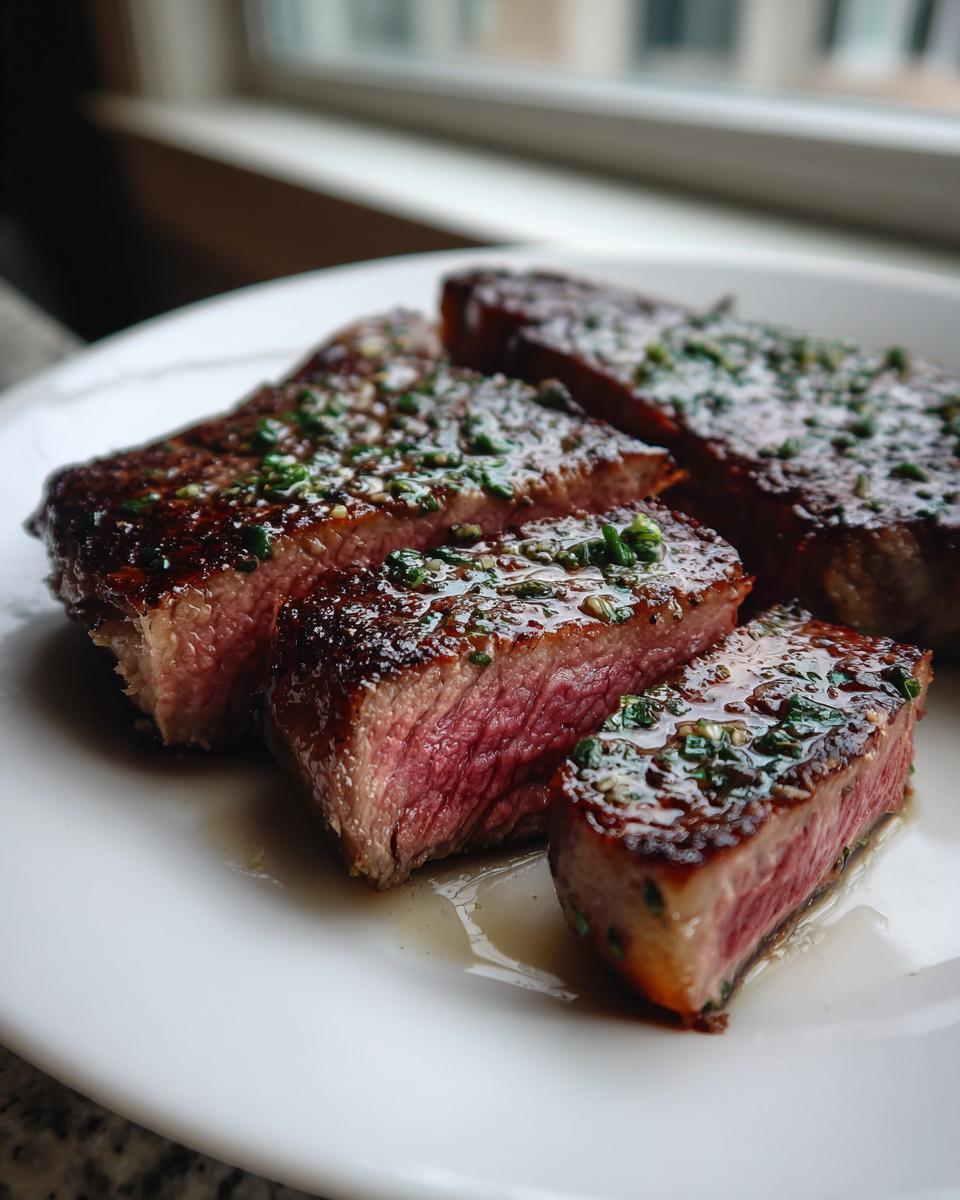
Now comes the best part for me—seeing your results! When you make something this good, you have to tell someone, right? I genuinely want to hear how your first attempt at true cast iron steak perfection went. Did your sear sing when the steak hit the pan? Did you manage to resist slicing for the full 10 minutes of rest?
Please, don’t be shy! Head down to the comments section below and leave a rating for the recipe. Five stars if you thought it was the best steak you’ve ever made! More importantly, tell me about your experience. Did you add a little extra rosemary, or maybe try searing the edges first? Every piece of feedback helps the whole CravyBite Kitchen community improve their skills.
If you snapped a picture of that perfectly pink center or that dramatic butter baste, I would absolutely love to see it! Tag us on social media (you can find all our links on the contact page!) so I can drool over your beautiful work. Sharing our successes, especially when it comes to mastering techniques like this, is what makes cooking together so rewarding.
Thank you so much for trusting me with your dinner plans. I hope this pan seared steak cast iron method becomes a staple in your rotation for creating easy, impressive meals. Now go grab a fork—that steak isn’t going to eat itself!
PrintThe Ideal Cast Iron Pan-Seared Ribeye Steak with Garlic Butter Basting
Learn the technique to cook a restaurant-quality ribeye steak at home using a cast iron skillet. This method guarantees a perfect sear, a juicy interior, and rich flavor from garlic butter basting.
- Prep Time: 15 min
- Cook Time: 10 min
- Total Time: 25 min
- Yield: 2 servings 1x
- Category: Dinner
- Method: Pan-Searing
- Cuisine: American
- Diet: Low Fat
Ingredients
- 2 (1.5-inch thick) ribeye steaks
- 2 tablespoons coarse kosher salt
- 1 teaspoon black pepper
- 2 tablespoons high-smoke point oil (like avocado or grapeseed)
- 4 tablespoons unsalted butter
- 4 cloves garlic, smashed
- 3 sprigs fresh thyme or rosemary
Instructions
- Remove the ribeye steaks from the refrigerator 1 hour before cooking. Pat them completely dry using paper towels. This step is crucial for a good sear.
- Season both sides of each steak generously with kosher salt and black pepper. Do not hold back on the salt.
- Place a heavy cast iron skillet over high heat. Let the pan heat up until it is smoking slightly, about 5 to 7 minutes.
- Add the oil to the hot skillet. When the oil shimmers, carefully place the steaks in the pan, ensuring they do not touch.
- Sear the steaks undisturbed for 3 to 4 minutes until a deep brown crust forms.
- Flip the steaks. Immediately add the butter, smashed garlic, and herbs to the pan.
- Tilt the skillet slightly and use a large spoon to continuously baste the melting butter mixture over the top of the steaks for 1 to 2 minutes.
- Continue cooking, flipping every minute and basting, until the steak reaches your desired internal temperature (125°F for rare, 130-135°F for medium-rare, 140-145°F for medium).
- Remove the steaks from the skillet and place them on a cutting board or wire rack.
- Let the ribeye steak rest for 10 minutes before slicing against the grain. This resting period keeps the steak juicy.
Notes
- For the best sear, make sure your cast iron skillet is screaming hot before adding the oil and steak.
- Use the internal temperature guide for accuracy; do not rely only on time.
- If you prefer an oven finish for thicker cuts, sear on the stovetop for 2 minutes per side, then transfer the skillet to a 400°F oven until the desired internal temperature is reached.
- For extra flavor, you can rub the steaks with a thin layer of Dijon mustard before seasoning.
Nutrition
- Serving Size: 1 steak (6 oz cooked)
- Calories: 550
- Sugar: 0
- Sodium: 750
- Fat: 40
- Saturated Fat: 18
- Unsaturated Fat: 22
- Trans Fat: 1
- Carbohydrates: 0
- Fiber: 0
- Protein: 45
- Cholesterol: 160