

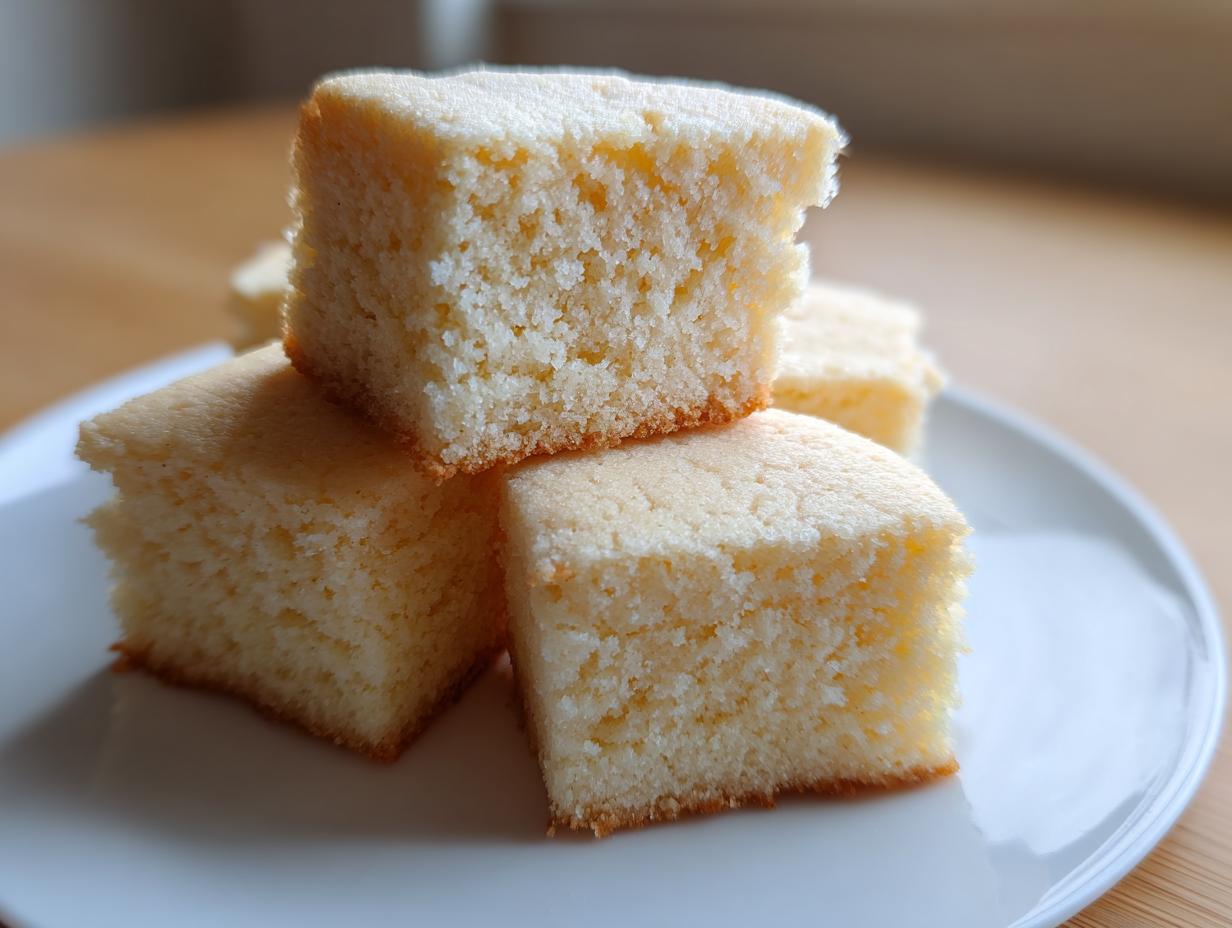
There is just something deeply satisfying about a truly simple cookie, isn’t there? Forget fancy toppings or complicated steps—when you need pure, unadulterated comfort, you need perfect shortbread cookies. I’m sharing my absolute best recipe here, one that delivers that signature buttery texture and that glorious melt-in-your-mouth quality everyone raves about. This isn’t some overly fussy, modern creation. This is the foundational recipe I learned from my grandmother, honoring those time-tested home cooking methods that simply cannot fail. Trust me, once you taste this richness, you won’t look back. If you’re exploring more sweet creations after this, check out my collection of delicious desserts and treats!
- Why This Classic Buttery Shortbread Cookies Recipe Works (E-E-A-T Focus)
- Ingredients for Perfect Shortbread Cookies
- How to Prepare Classic Shortbread Cookies Step-by-Step
- Tips for the Best Shortbread Cookies Every Time
- Variations on Classic Shortbread Cookies
- Serving Suggestions for Your Shortbread Cookies
- Storage and Make-Ahead Tips for Shortbread Cookies
- Frequently Asked Questions About Shortbread Cookies
- Estimated Nutrition for Classic Shortbread Cookies
Why This Classic Buttery Shortbread Cookies Recipe Works (E-E-A-T Focus)
So, why do these simple shortbread cookies call to people year after year? It comes down to the ratios, plain and simple. My recipe is based on the classic 3:2:1 method—three parts flour, two parts butter, and one part sugar. When you stick to that classic proportion, you ensure the fat content is high enough to create that wonderfully sandy, crisp texture cookies lovers dream of. We aren’t fooling around with weird fillers here; we are relying on the quality of the fat!
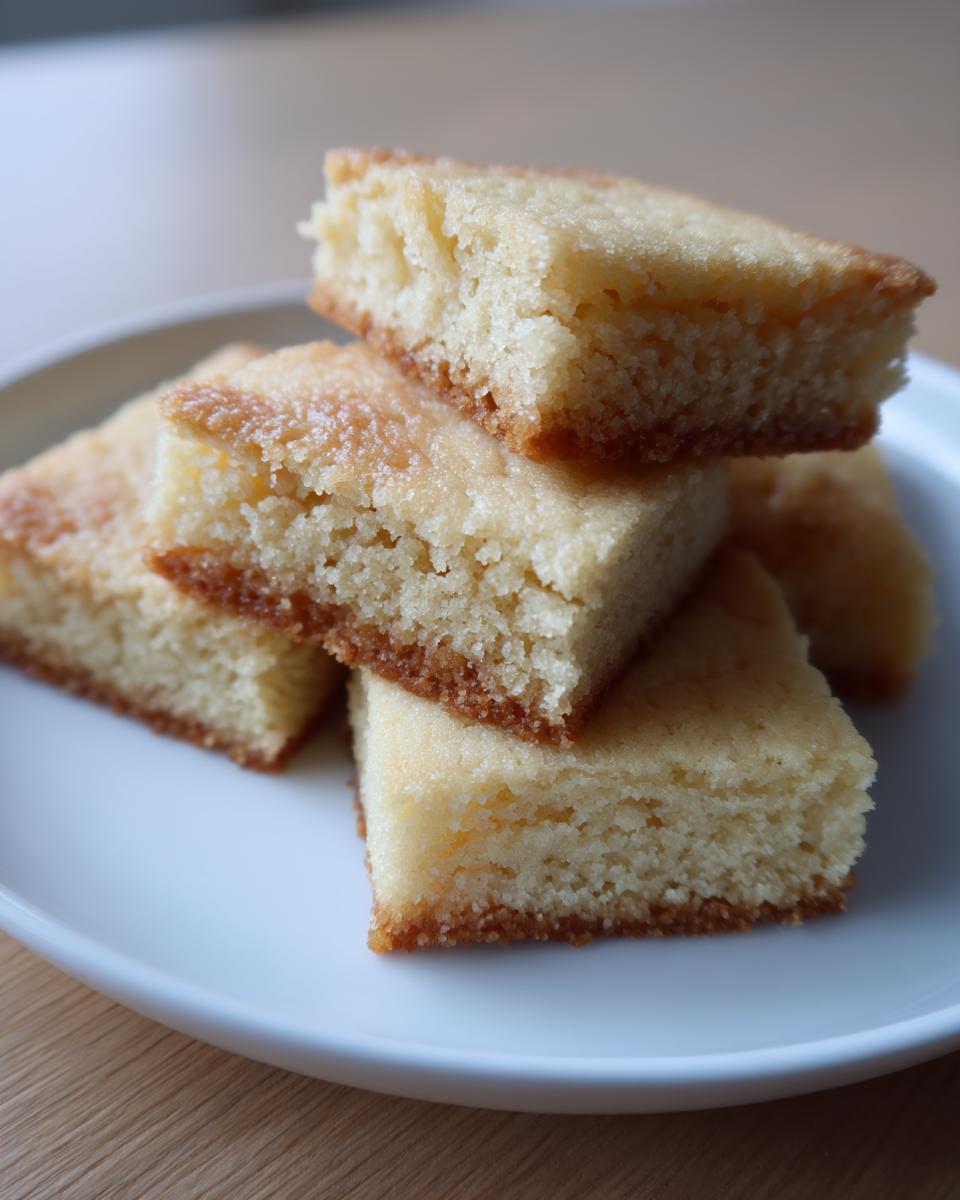
That’s why I insist on using really good, high-quality unsalted butter. Because butter is the star of the show, you can’t skimp! The butter needs to be perfectly softened, not melted, to hold the right structure when we mix everything together. This foundational science is what keeps this recipe reliable, batch after batch.
Achieving the Perfect Melt In Your Mouth Cookies Texture
The magic happens right at the beginning when we cream the butter and sugar. We’re actually beating in tiny pockets of air—this creates the lightness we want. But here is the huge secret: once that flour goes in, you stop immediately! Overmixing develops the gluten in the flour, and suddenly you’ve gone from perfect shortbread to chewy little hockey pucks. We want that tenderness that makes these truly Melt In Your Mouth Cookies.
Ingredients for Perfect Shortbread Cookies
Honestly, you can’t get much easier than this! For the absolute best results that will give you that classic, buttery flavor profile, you only need these three things. Make sure your butter is nicely soft—that’s the key to getting things moving in the mixer smoothly. Here is exactly what you need for a pan full!
- 3 cups all-purpose flour
- 2 cups unsalted butter, softened
- 1 cup granulated sugar
How to Prepare Classic Shortbread Cookies Step-by-Step
Okay, now that we have our perfect ingredients ready to go, let’s talk technique! Knowing how to Make Shortbread Cookies really comes down to assembly and patience during the bake. Don’t worry, this is super intuitive, but we need to be mindful of the oven time. First things first: get that oven warming up to 325 degrees Fahrenheit. While it catches up, prep your 9×13 inch pan by lining it with parchment paper—make sure you leave a little bit of an overhang on the sides. This acts like a sling later, making cleanup and removal a breeze. We want these beautiful cookies intact when they come out!
Once the oven is set, we can move into the mixing stage. I always encourage folks to get their rhythm going here, but remember our golden rule: don’t overdo it!
Mixing the Dough for Ideal Shortbread Cookies
Start by beating that softened butter and sugar together until it gets light and fluffy—kind of like whipped clouds. That’s where the tiny air pockets come from! Then, you add the flour in stages. Seriously, stop mixing the second you see no more dry flour streaks. Overmixing is the enemy of tender shortbread; we want the dough to just barely hold its shape.
Baking and Cooling Your Shortbread Cookies
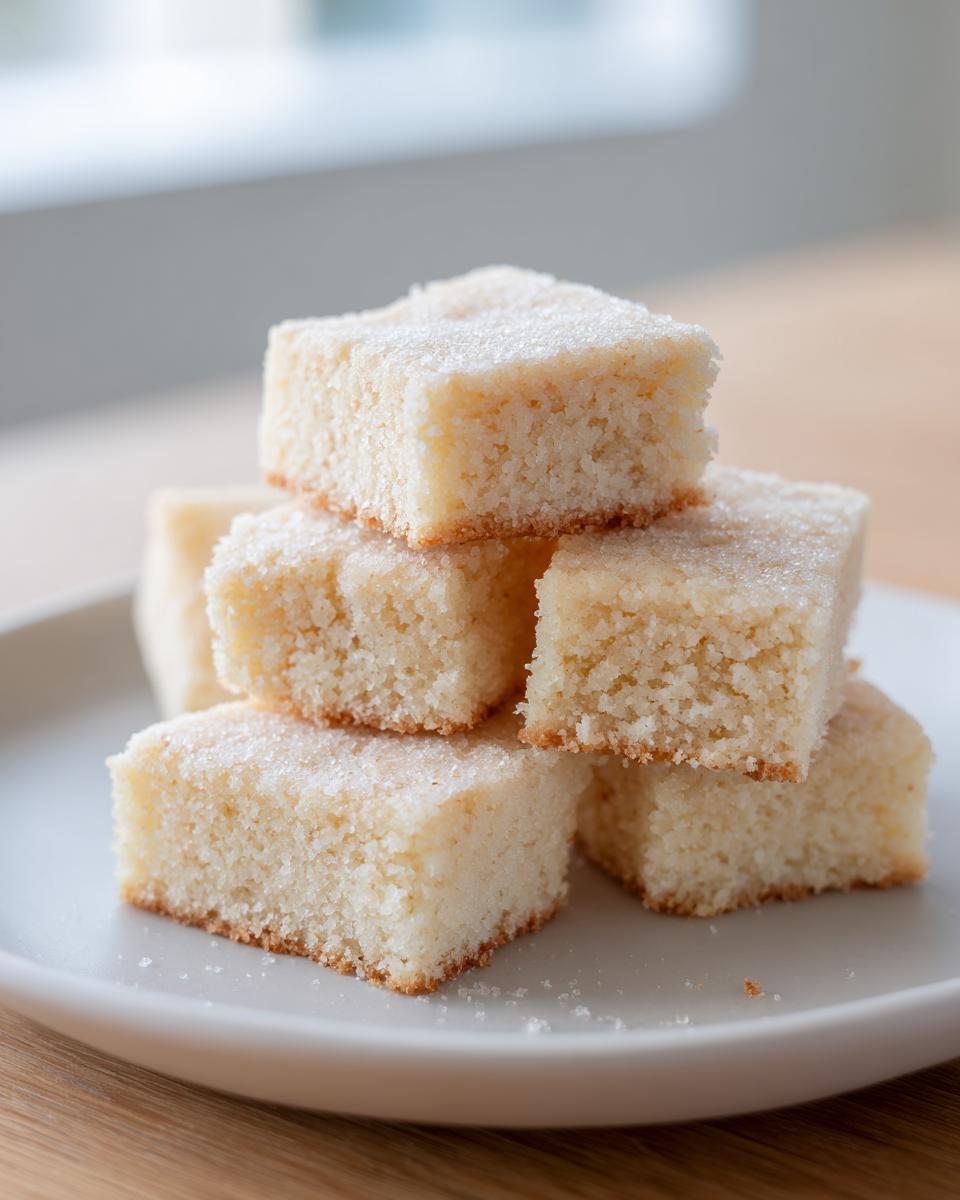
Press that dough down firmly and evenly into your prepared pan. Use the back of a measuring cup if you have to make it smooth! Score the dough into your squares or rectangles now, and then take a fork and poke every single piece several times. This stops them from puffing up too much. Bake for about 25 to 30 minutes. You are looking for edges that are barely golden—the center should still look pale. When they are hot, immediately run your knife along those scored lines again. Let them cool completely in that pan before you even *think* about lifting them out!
It feels like forever, but waiting for them to set means you can easily transfer them to a rack, or you can just break them apart once they are cool enough to handle without crumbling into dust. Doing any serious handling while they are hot is just asking for trouble! If you need a quick little something for dinner tonight while waiting for the house to smell like heaven, you can always check in on my quick easy weeknight dinners list!
Tips for the Best Shortbread Cookies Every Time
Learning the little tricks is what separates a decent cookie from the absolute best. These are my go-to Shortbread Cookie Tips and Tricks that I’ve picked up over the years to make sure these turn out perfectly crumbly. Seriously, pay attention to your butter quality—it matters more here than maybe any other cookie recipe. Invest in good, high-fat unsalted butter because it’s the backbone of that incredible flavor.
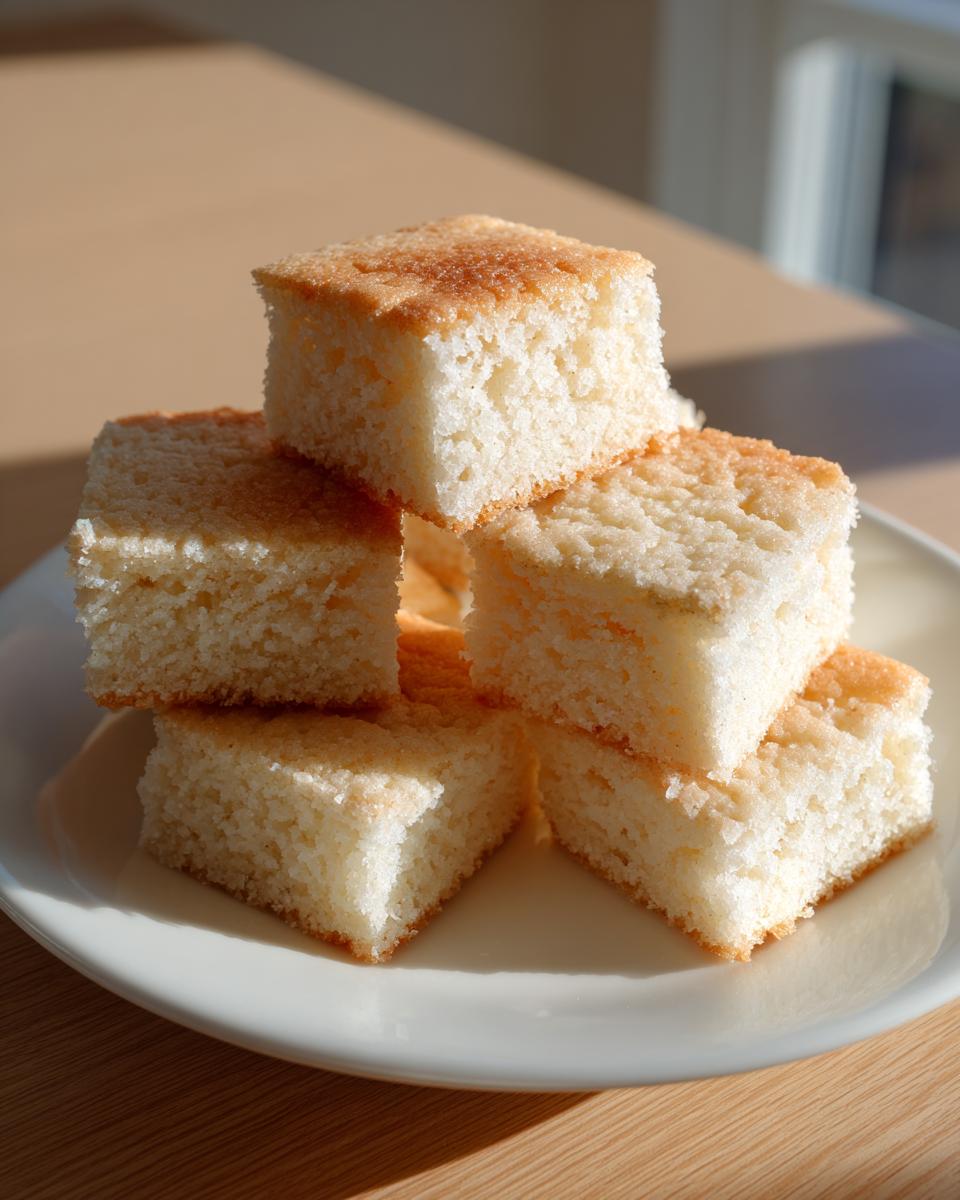
If you are looking for that authentic Scottish appeal, you don’t have to stick to pressing it in a pan. The traditional way involves chilling the dough thoroughly—like, an hour in the fridge minimum—then rolling it out to about a half-inch thick. Use a round cutter, and bake those rounds on a plain sheet. Just make sure you don’t let them get too dark! We want those pale centers, remember? A deep golden color means you sacrificed tenderness for color.
And speaking of tradeoffs, while some people like adding vanilla, I usually skip it for the purest experience. But hey, if you’re experimenting, maybe try adding a tiny pop of zest or some finely chopped nuts next time! If you want more ideas for next-level baking, you have to check out my favorites for chocolate chip cookies and see how I get them perfectly chewy!
Variations on Classic Shortbread Cookies
I know sometimes you love sticking to tradition, but it’s also fun to play around once you’ve mastered the basics! If you want to branch out from this simple, classic base, there are plenty of easy ways to switch things up while still keeping that buttery shortbread flavor we love. You can easily infuse these with spices or extracts. For instance, Lemon Shortbread Variations are fantastic, especially when the weather gets warmer or sunny! Just add fresh lemon zest into the butter and sugar mix, and maybe a teaspoon of fresh lemon juice with your sugar, for a bright, tangy twist.
We can also totally change the texture with a small shift in method, which I’ll detail below. I love making a few batches of these classic bars for gifting, but sometimes I like to switch gears completely for a holiday platter. If you want other fun ideas for seasonal treats, take a peek at my chocolate cherry cookies recipe!
Making Whipped Shortbread Cookies
Making Whipped Shortbread Cookies is a bit different than our pressed classic. Instead of just creaming the butter and sugar until fluffy, you whip them for much longer—five to eight minutes is usually what I do—until the mix is incredibly light, almost white, and very airy. You don’t press this batter into a pan; you pipe it into little mounds using a pastry bag. It results in a much lighter, almost dissolving cookie, instead of our signature crisp texture.
Serving Suggestions for Your Shortbread Cookies
These simple, buttery bars are so wonderfully adaptable! They are the quintessential accompaniment for an afternoon Tea Time Cookies break—you just can’t beat those crisp edges next to a hot cup of Earl Grey or black coffee. But honestly, these are also my go-to for gifting because they look so elegant, even without icing.
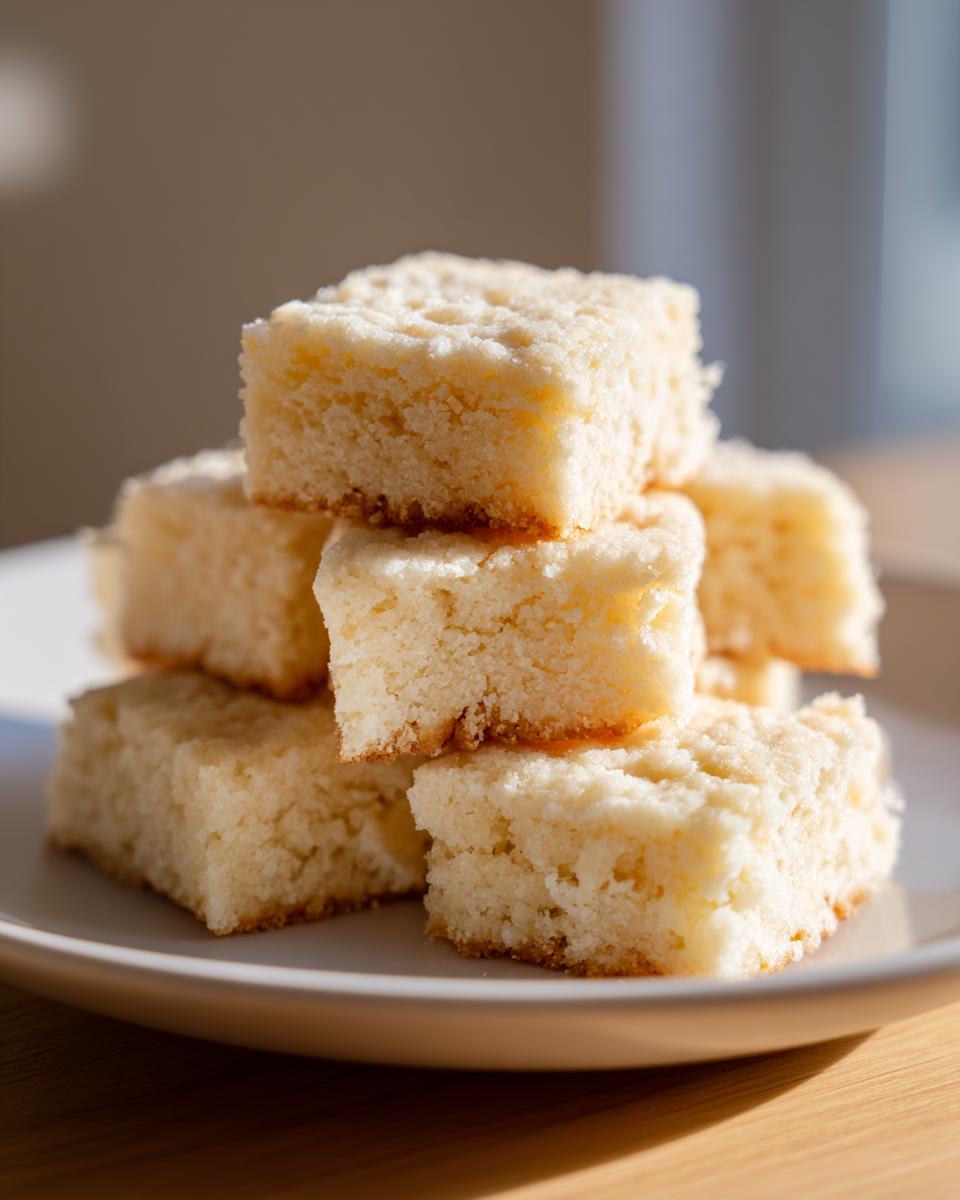
Wrap squares of these shortbread cookies up in clear bags with a pretty ribbon, and you’ve got the perfect homemade thank-you gift. They pair beautifully with homemade jams or a drizzle of melted dark chocolate right before they set completely. If you’re looking for something festive to balance out all that butter, you should definitely check out my recipe for festive cranberry orange sangria!
Storage and Make-Ahead Tips for Shortbread Cookies
One of the things I adore about these cookies is how beautifully they keep. They are truly fantastic for getting ahead of the game, especially if you are planning for Holiday Cookie Baking seasons like Christmas! Once the shortbread has cooled completely—and I mean totally cool—you store them in a single layer in a sturdy, airtight container. If you need to stack them, place a little piece of wax paper between the layers so they don’t stick together.
They easily stay fresh and delicious at room temperature for a good week. If you need them to last longer, pop the sealed container right into the freezer! They freeze like a dream for up to three months. When you’re ready to serve them, just let them thaw on the counter for an hour or so. If you’re freezing extras, you might want to save some of my Grinch Oreo Balls too, they are always the first thing gone!
Frequently Asked Questions About Shortbread Cookies
It’s totally natural to have questions when you’re dealing with such a simple recipe—sometimes the easiest ones hide the biggest potential pitfalls! I get asked all the time about tweaking the ingredients in these classic shortbread cookies, so let’s clear a few things up right here. I hope these answers help you feel totally confident heading back to the kitchen!
Can I use salted butter in my shortbread cookies?
You absolutely can use salted butter, but I generally steer people toward unsalted. Since this recipe has so few ingredients, that salt level really comes through! If you only have salted on hand, just skip adding any extra salt to the recipe. Personally, I like using unsalted so I can control the sodium content myself. It just gives me more control over that signature buttery flavor.
Why are my shortbread cookies tough instead of crumbly?
Oh, I’ve done this one before when I wasn’t paying close enough attention! If your shortbread cookies turn out tough instead of delightfully crumbly, I can almost guarantee you mixed the flour in for too long. Once you add the flour, you need to stop mixing the second it comes together. We are building a tender crumb here. Overmixing brings out too much gluten, and gluten equals chewiness—which is great for bread, but the absolute enemy of perfect shortbread!
Estimated Nutrition for Classic Shortbread Cookies
Because this recipe uses such straightforward ingredients—primarily just butter, sugar, and flour—the nutritional content is fairly concentrated! Here’s a peek at the averages, but remember, these are just estimates based on the standard measurements. The exact numbers will change depending on the specific brands of butter and sugar you use or if you decide to add something like vanilla extract.
- Serving Size: 1 cookie
- Calories: 145
- Sugar: 7g
- Fat: 9g (with about 5g coming from saturated fat)
- Carbohydrates: 15g
- Protein: 2g
Keep in mind that these are rich cookies, meant to be savored one or two at a time with a cup of tea. Enjoy them guilt-free because they are homemade, made with love, and worth every delightful crumb!
PrintClassic Buttery Shortbread Cookies: Melt-In-Your-Mouth Perfection
Make traditional, buttery shortbread cookies that achieve a perfectly crisp and crumbly texture. This easy recipe uses minimal ingredients, honoring the classic method for a melt-in-your-mouth treat perfect for gifting or tea time.
- Prep Time: 15 min
- Cook Time: 30 min
- Total Time: 45 min
- Yield: About 30 cookies 1x
- Category: Dessert
- Method: Baking
- Cuisine: American/Scottish
- Diet: Vegetarian
Ingredients
- 3 cups all-purpose flour
- 2 cups unsalted butter, softened
- 1 cup granulated sugar
Instructions
- Preheat your oven to 325 degrees Fahrenheit. Line a 9×13 inch baking pan with parchment paper, allowing some overhang for easy removal.
- In a large bowl, cream together the softened butter and sugar until the mixture is light and fluffy. This step is important for texture.
- Gradually add the flour to the butter mixture. Mix on low speed until the dough just comes together. Avoid overmixing; stop as soon as no dry streaks of flour remain.
- Press the dough evenly into the prepared baking pan. Use the bottom of a measuring cup to compact the dough firmly and evenly across the pan bottom.
- Score the dough into desired shapes (squares or rectangles are traditional) using a knife, but do not cut all the way through. Prick each piece several times with a fork.
- Bake for 25 to 30 minutes, or until the edges are lightly golden brown. The center should remain pale.
- Remove the pan from the oven. Immediately re-cut along the scored lines while the cookies are hot.
- Allow the shortbread to cool completely in the pan on a wire rack before lifting out and separating the pieces.
Notes
- For the best melt-in-your-mouth texture, use high-quality, room-temperature butter.
- If you prefer a traditional Scottish round shape, chill the dough, roll it out to a half-inch thickness, cut with a round cutter, and bake on a parchment-lined sheet.
- To achieve a crisp texture, do not brown the cookies deeply; pale edges are ideal.
- You can substitute 1/2 teaspoon of vanilla extract for a small amount of the flour if you want a slight flavor variation, though the classic version omits it.
Nutrition
- Serving Size: 1 cookie
- Calories: 145
- Sugar: 7
- Sodium: 45
- Fat: 9
- Saturated Fat: 5
- Unsaturated Fat: 4
- Trans Fat: 0
- Carbohydrates: 15
- Fiber: 0
- Protein: 2
- Cholesterol: 25