

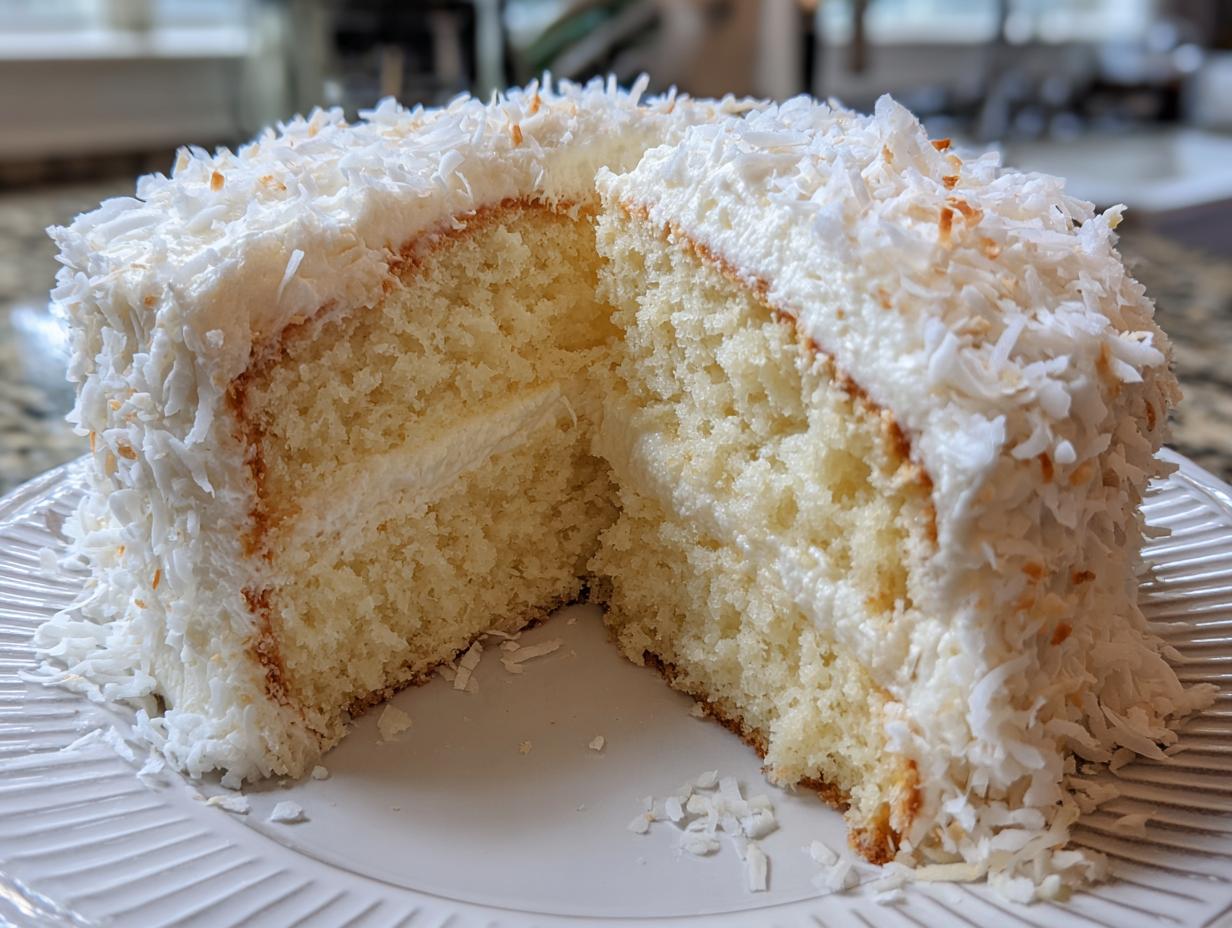
I’m going to let you in on a secret right now: you absolutely do not need to special order from the fancy bakery to get that incredible, show-stopping cake for your next celebration. We’re talking about achieving true bakery-style perfection right here in your own kitchen! That’s why I’m sharing The Best Moist & Fluffy Southern Coconut Cream Cake Recipe. If you want a coconut cake that everyone raves about—one that is impossibly moist and unbelievably light—this is it. My goal here at CravyBite Kitchen, drawing on Jess Carter’s background blending nutritional knowledge with reliable American home cooking techniques, is to make sure you succeed with every single delicious, tropical bite.
- Why This Southern Coconut Cake Recipe Delivers Bakery Style Perfection
- Essential Ingredients for Your Moist Coconut Cake Recipe
- Step-by-Step Instructions for the Best Coconut Cake
- Tips for Success Making a Classic Coconut Dessert
- Variations on Your Tropical Coconut Dessert
- Storing and Serving Your Homemade Coconut Cake
- Frequently Asked Questions About This Coconut Cake
- Estimated Nutritional Data for This Coconut Cake
- Share Your Experience Baking This Coconut Cake
Why This Southern Coconut Cake Recipe Delivers Bakery Style Perfection
Listen, there are coconut cakes, and then there’s this Southern coconut cake. This isn’t just a dessert; it’s an event! I promise you this recipe nails the three things that make a cake legendary: unbelievable moisture, a sky-high fluffy texture, and a frosting that tastes like pure, sweet heaven. Trust me, once you try this, you won’t go back to store-bought versions. It’s the confidence booster every home baker needs in their arsenal. If you’ve struggled with dry cakes before, this technique will change everything for you. You can check out my secrets for other moist treats over here: easy moist coffee cake.
Achieving the Lightest Fluffy Coconut Cake Layers
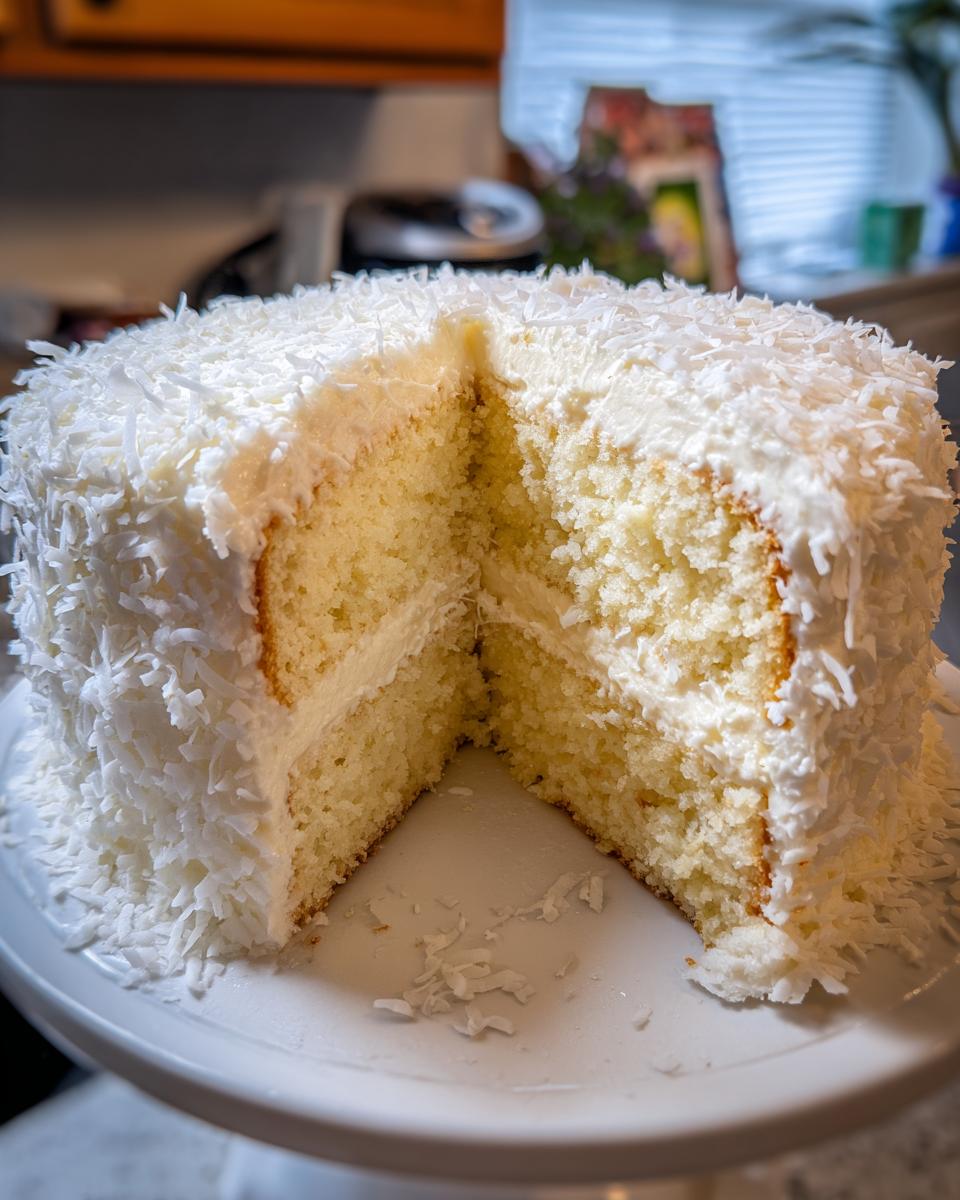
The secret to making this a truly fluffy coconut cake lies in the interplay between the high-quality ingredients and how we treat them early on. We use buttermilk, which slightly tenderizes the gluten structure, keeping things soft. But the real trick is how we treat the butter and sugar first—we cream them until they are actually pale and airy. This process incorporates those essential little air pockets that give you that light, dreamy lift when it bakes. It’s a fundamental step for any great layer cake, but it really pays off here!
The Dreamy Homemade Coconut Frosting
Forget those overly sweet, stiff buttercream frostings. This is where our coconut cream cake recipe shines! We use a touch of cream cheese alongside the butter. That slight tang cuts through the sweetness of the powdered sugar perfectly, stabilizing the heavy cream and giving you this incredibly rich, yet smooth, finish. It’s thick enough to hold those stunning peaks but melts just right in your mouth. It’s the perfect creamy crown for our moist layers.
Essential Ingredients for Your Moist Coconut Cake Recipe
When you’re chasing that perfect, cloud-like texture, you simply cannot skimp or substitute willy-nilly. I want you to stop right now and ensure your butter, eggs, and buttermilk are sitting out on the counter! Temperature is a huge factor in avoiding dense cakes, and that’s just not an option for our moist coconut cake recipe. We need everything cooperative so it blends into that beautiful, cohesive batter. Don’t worry, I’ve broken down exactly what you need for the layers and the incredible frosting below. You’ll notice we actually use our coconut in two totally different ways!
Cake Layer Components
- 1 3/4 cups all-purpose flour
- 1 1/2 cups granulated sugar
- 1 tablespoon baking powder
- 1/2 teaspoon salt
- 1 cup unsalted butter, softened
- 4 large eggs, room temperature
- 1 cup buttermilk, room temperature
- 1 teaspoon vanilla extract
- 1/2 cup unsweetened coconut milk
- 1 cup sweetened shredded coconut (this goes right into the batter!)
- 1/2 cup unsweetened shredded coconut (this is strictly for coating the outside)
For the Coconut Cream Frosting
This recipe really benefits from having both the butter and cream cheese softened before you start whipping. It makes all the world of difference!
- 1 cup (2 sticks) unsalted butter, softened
- 4 cups powdered sugar, sifted (sifting is non-negotiable for smooth frosting!)
- 1/2 cup heavy cream
- 1 teaspoon coconut extract (use the extract, not the milk here for punchy flavor)
- 1/4 cup cream cheese, softened
- 1/2 cup sweetened shredded coconut
Step-by-Step Instructions for the Best Coconut Cake
Okay, time to put those room-temperature ingredients to work! Baking a truly stunning coconut layer cake requires focus in the mixing stages, but don’t get overwhelmed—we’ll take it one step at a time. Remember, precision here is what guarantees that soft, fluffy crumb we’re aiming for, keeping moisture locked in. I’ve tried to make my standard easy layer cake recipes even simpler here, but this cake deserves our full attention!
Preparing the Light Fluffy Cake Layers
First things first: get that oven preheated to 350°F (175°C). Then, prep those two 9-inch pans by greasing, flouring, and adding parchment circles on the bottom—trust me, this ensures a clean release later. Now for the technique: whisk your dry ingredients together first. Then, add the softened butter to this dry mix. You have to beat it until it actually looks like coarse, pale sand. That’s the physical sign that you’ve whipped enough air in there! Once you mix in your wet ingredients gradually, remember this golden rule: mix on medium speed just until they combine. As soon as you gently fold in that cup of sweetened coconut, you stop mixing. Overbeating now makes the beautiful air pockets collapse!
Bake these beauties for about 30 to 35 minutes. You’ll know they’re done when a toothpick slides out clean. Once done, let them rest in the pans for just ten minutes before flipping them out onto a wire rack to cool completely. They must be totally cool before frosting!
Making the Creamy Coconut Frosting Homemade
While those cakes are cooling down, we attack the frosting! Grab your stand mixer or handheld electric beater. Cream the softened butter and cream cheese together until they look truly light and fluffy—no lumps allowed! Then, slowly add that sifted powdered sugar. Once that’s incorporated, we add the heavy cream and the coconut extract. Start slow so the sugar doesn’t fly everywhere! Beat it for a good three minutes until it’s looking gorgeous and creamy. If, once you stop, you feel like it’s just a tiny bit too stiff—maybe it’s too sunny in your kitchen—just add another splash of cream, a tablespoon at a time, until it moves when you tilt the bowl.
Assembling Your Coconut Layer Cake
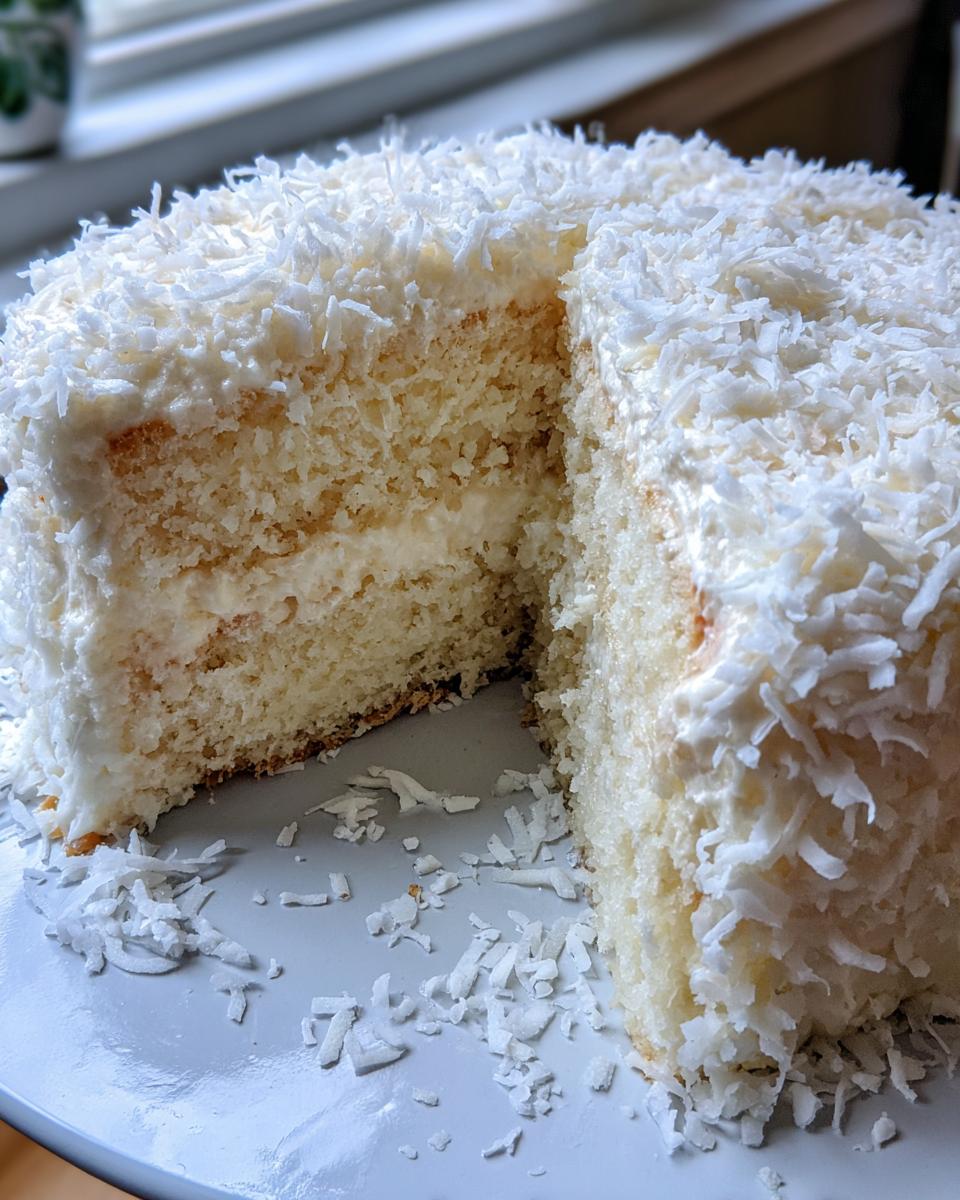
This is the fun part where it starts looking like a real celebration cake! Take one completely cool layer, plop it onto your serving plate, and spread about a quarter of your frosting evenly over the top surface. Place the second layer gently on top. Now, the final step: coat the entire cake—top and sides—with the remaining frosting. You want a nice, thick coating. While that frosting is still sticky, gently press that final 1/2 cup of unsweetened shredded coconut all over the top and sides. That snowy exterior is what really elevates this into a gorgeous homemade coconut cake.
Tips for Success Making a Classic Coconut Dessert
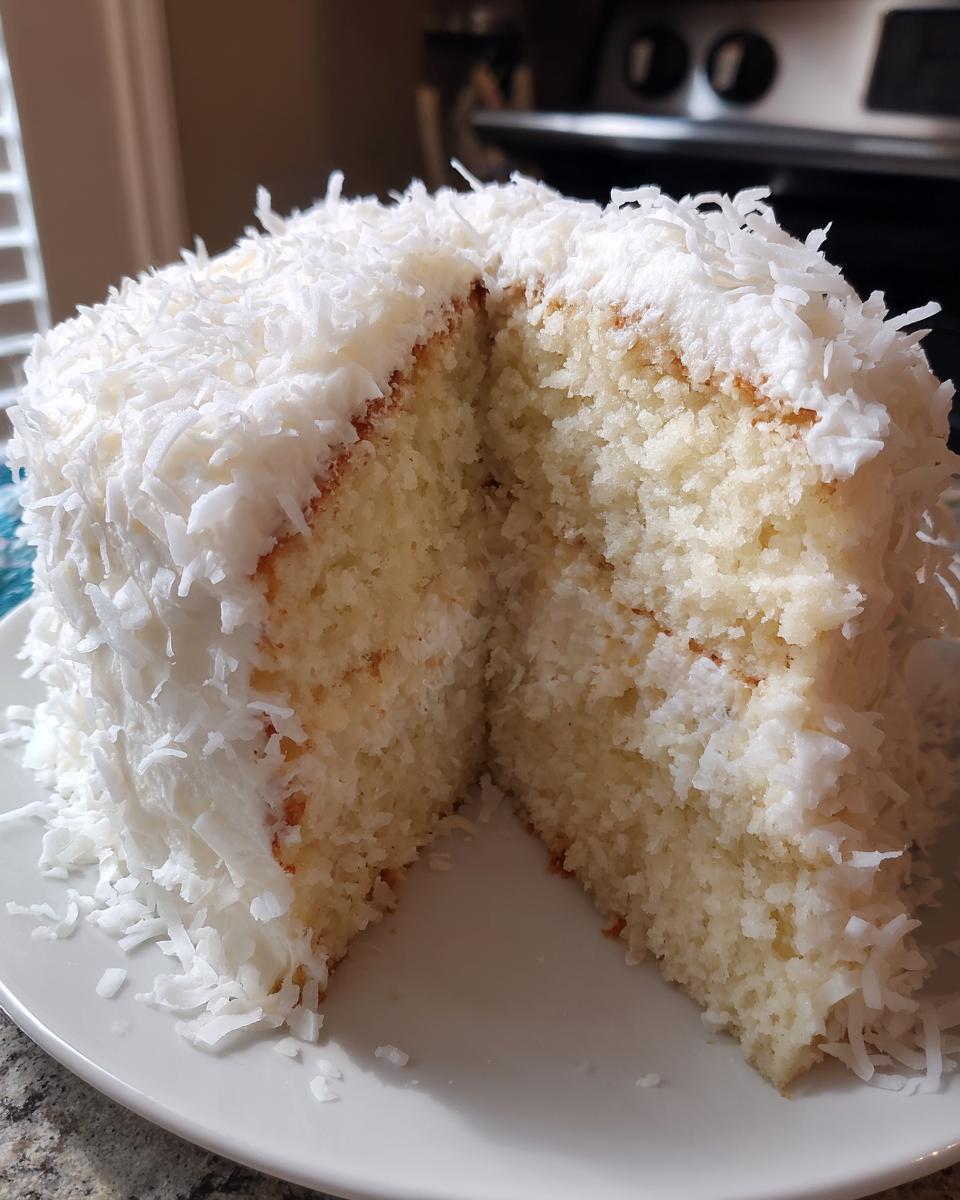
You’ve got the batter mixed and the frosting whipped, but before you slide those layers into the oven or tackle the final decoration, let’s go over a couple of quick checks. Baking is science, and in the world of creating a seriously moist coconut cake, temperature is everything! These little bits of knowledge are how you move this from being a good cake to being the best coconut cake you’ve ever made.
Ingredient Temperature Matters for a Moist Coconut Cake
I know I sound like a broken record, but I have to stress this again: room temperature eggs and room-temperature buttermilk are essential! When cold ingredients meet the creamed butter and sugar, they shock the mixture. This causes the beautiful pockets of air we worked so hard to create in the beginning to deflate, leading to a denser crumb. Letting them sit out for about 45 minutes beforehand ensures they emulsify smoothly into the batter, keeping everything light and fluffy.
How to Toast Shredded Coconut
That exterior coating of coconut is what makes this cake look like it came straight from a gorgeous bakery, but we need it golden, not burnt! Spread that 1/2 cup of unsweetened coconut in a single, even layer on a baking sheet. Pop it into your 350°F oven—the same temperature you used for the cake, actually—for just 5 to 8 minutes. You have to watch it like a hawk because coconut burns fast! Pull it out the second you see beautiful amber edges pop up. It cools down quickly, and that subtle toasting brings out a whole new level of tropical flavor. For more oven tips, take a look at my approach for easy oven baked BBQ chicken; the same principle of watching closely applies!
Variations on Your Tropical Coconut Dessert
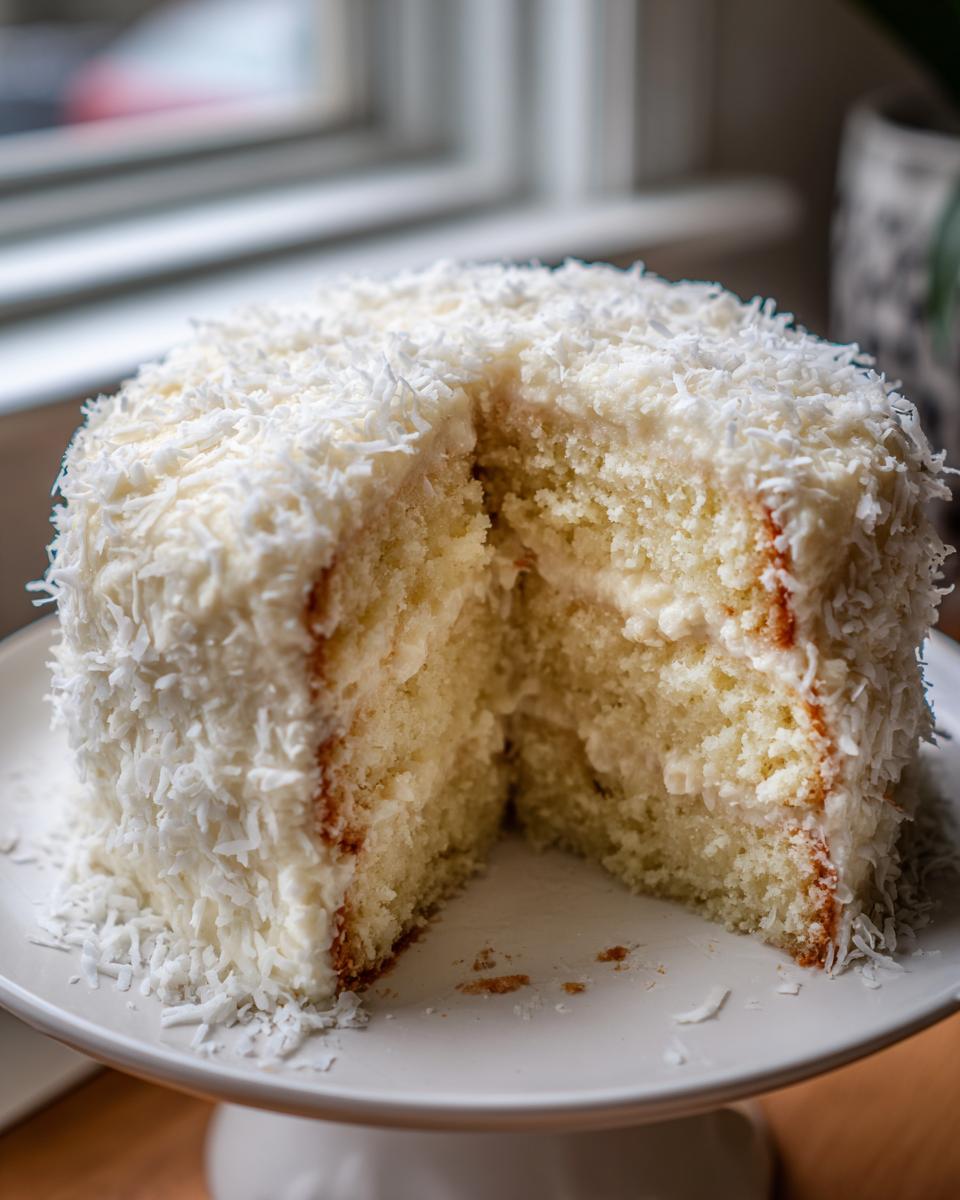
I love that this recipe is the perfect base for trying out a few fun twists! While I stand by the classic approach—because a true Southern coconut cake is perfect as is—sometimes you want to lean into that tropical vibe even harder, or maybe you just want to use up an extra can of milk in the pantry. These adjustments are simple, I promise, and they don’t complicate the process much at all. You can find more inspiration on versatile baking techniques in my post about moist date nut bread, but let’s stick to coconut for now!
Making a Coconut Cream Poke Cake Twist
If you’ve ever loved a coconut cream poke cake, this is how you merge that gooey center with our fluffy layers! As soon as those cakes come out of the oven—while they are still warm, but after you’ve inverted them out of the pans—grab a skewer or a long wooden pick. Poke holes all over the top surface of both layers, spacing them about an inch apart. Then, gently pour half of your unsweetened coconut milk over each layer. Don’t use the frosting yet! Let the cake absorb all that goodness for about 20 minutes. Frosting it afterwards seals in the moisture, making it incredibly decadent. It’s a little bit more work, but wow, is it worth that extra reward.
Flavor Swaps for Your Coconut Cake
Sometimes vanilla just isn’t bold enough when you’re fighting that rich sweetness of the cream cheese frosting. You can easily substitute your vanilla extract with almond extract. Just use half the amount—maybe 1/2 teaspoon instead of a full teaspoon—because almond is potent! Another thing I adore, especially if I’m serving this cake in the summer or near the holidays when I want a brighter note, is adding citrus zest. About a teaspoon of fresh lime zest mixed right into the frosting gives everything a wonderful little zing that truly highlights the tropical notes. It lightens up the whole cake!
Storing and Serving Your Homemade Coconut Cake
Now that you’ve made this stunning showstopper, how do you keep it looking as perfect as it tasted on day one? Because we used cream cheese in that dreamy frosting, we definitely need to think about refrigeration. For the best texture and flavor, I actually recommend keeping leftovers in an airtight container in the fridge. If you plan to serve it the next day, be sure to pull it out about an hour beforehand. Letting it warm up slightly off the counter takes away that hard chill and lets the butter in the frosting become creamy again. Nobody wants a cold bite of cake!
Frequently Asked Questions About This Coconut Cake
I know you might have a few last thoughts floating around before you pull out your mixing bowls, especially when tackling a multi-layered masterpiece like this. It’s totally normal! Having this coconut cake recipe in your back pocket means you’re ready for any occasion. Let’s clear up any last bits of doubt so you can bake with total confidence. For more tips on simple baking, I have a great guide on making easy crusty Italian bread that might help build your general baking confidence!
Can I make this coconut cake recipe ahead of time for a party?
You absolutely can, and I often do! For the absolute best results, I bake the layers one day ahead, let them cool completely, and wrap them tightly in plastic wrap. Store them at room temperature if it’s cool, or in the fridge if your kitchen is warm. Assemble the whole thing the day *before* the party. Why? Because the flavor just melds together beautifully overnight! Make sure the cake is covered well once frosted so the coconut doesn’t dry out.
What is the difference between this Southern coconut cake and a standard one?
That’s a great question! What sets this Southern coconut cake apart is the decadence. Traditional recipes might use a plain meringue or simple whipped cream frosting, but ours uses the blend of butter and cream cheese. This gives it that rich, slightly tangy creaminess that Southern bakers are famous for. It stabilizes the frosting perfectly while adding a layer of flavor complexity that you just don’t get in a standard, lighter version. It’s rich, moist, and truly celebratory!
Is this an easy coconut cake for beginners?
I want to be honest here: this isn’t a dump-and-stir recipe, primarily because achieving that unbelievably fluffy texture requires specific creaming and alternating steps. That said, if you follow the instructions step-by-step—especially regarding ingredient temperature and not overmixing—then yes! I believe any baker can nail this. If you’re looking for an easy coconut cake that still looks impressive for a holiday, this is achievable. Just take your time during the mixing stages, and you’ll have a showstopper!
Estimated Nutritional Data for This Coconut Cake
Now, I have to put a little disclaimer here because, baking with love at home is wonderful, but measuring every single gram of fat and sugar? That’s the job of the food scientists! These numbers are my best estimate based on the standard ingredient usage, factoring in everything from the butter to the heavy cream in that rich frosting. So, take this as a general guide rather than strict diet tracking, okay? This coconut cake is definitely a treat for special occasions, and that’s perfectly fine!
- Serving Size: 1 slice
- Calories: 450
- Sugar: 55g
- Sodium: 280mg
- Fat: 24g
- Saturated Fat: 15g
- Unsaturated Fat: 9g
- Trans Fat: 0g
- Carbohydrates: 60g
- Fiber: 2g
- Protein: 5g
- Cholesterol: 95mg
Remember, since this is a homemade recipe, your actual counts might shift slightly depending on the brands you use, especially with the amount of butter and sugar needed for that bakery-worthy texture!
Share Your Experience Baking This Coconut Cake
I poured my heart and all my best Southern baking secrets into this recipe, and now it’s your turn to make some magic happen! I truly hope this coconut cake brings the same joy and sweet luxury to your table that it brings to mine. When you finish whipping up that fluffy frosting and press that final sprinkle of sweet coconut onto the sides, I want to see it!
Please, please leave a rating right down below—did it turn out moist? Was the texture just as fluffy as you hoped? Your feedback helps me know exactly what’s working for you, and it helps other bakers feel confident trying it out, too. If you snapped a photo, tag me on social media! I love seeing your beautiful creations. If you have any burning follow-up questions that weren’t covered above, don’t hesitate to reach out via my contact page. Happy baking, friends!
PrintThe Best Moist & Fluffy Southern Coconut Cream Cake Recipe
Bake a show-stopping Southern Coconut Cream Cake that features incredibly moist layers, rich coconut flavor, and a dreamy, fluffy coconut frosting. This bakery-style cake is perfect for birthdays or holidays.
- Prep Time: 25 min
- Cook Time: 35 min
- Total Time: 60 min
- Yield: 12 servings 1x
- Category: Dessert
- Method: Baking
- Cuisine: American
- Diet: Vegetarian
Ingredients
- 1 3/4 cups all-purpose flour
- 1 1/2 cups granulated sugar
- 1 tablespoon baking powder
- 1/2 teaspoon salt
- 1 cup unsalted butter, softened
- 4 large eggs, room temperature
- 1 cup buttermilk, room temperature
- 1 teaspoon vanilla extract
- 1/2 cup unsweetened coconut milk
- 1 cup sweetened shredded coconut (for cake layers)
- 1/2 cup unsweetened shredded coconut (for coating)
- For the Coconut Cream Frosting:
- 1 cup (2 sticks) unsalted butter, softened
- 4 cups powdered sugar, sifted
- 1/2 cup heavy cream
- 1 teaspoon coconut extract
- 1/4 cup cream cheese, softened
- 1/2 cup sweetened shredded coconut
Instructions
- Preheat your oven to 350°F (175°C). Grease and flour two 9-inch round cake pans. Line the bottoms with parchment paper.
- In a large bowl, whisk together the flour, sugar, baking powder, and salt.
- Add the softened butter to the dry ingredients. Beat with an electric mixer on low speed until the mixture resembles coarse sand.
- In a separate bowl, whisk together the eggs, buttermilk, vanilla extract, and coconut milk until combined.
- Gradually add the wet ingredients to the dry ingredients, mixing on medium speed until just combined. Do not overmix.
- Gently fold in the 1 cup of sweetened shredded coconut using a spatula.
- Divide the batter evenly between the prepared cake pans.
- Bake for 30 to 35 minutes, or until a wooden pick inserted into the center comes out clean.
- Let the cakes cool in the pans for 10 minutes before inverting them onto a wire rack to cool completely.
- Prepare the Coconut Cream Frosting: In a large bowl, beat the softened butter and cream cheese until light and fluffy.
- Gradually add the sifted powdered sugar, beating until smooth.
- Add the heavy cream and coconut extract. Beat until the frosting is light and creamy. If the frosting is too thick, add a tablespoon more cream.
- Once the cake layers are completely cool, place one layer on a serving plate. Spread a layer of frosting over the top.
- Place the second layer on top. Frost the top and sides of the entire cake with the remaining frosting.
- Press the 1/2 cup of unsweetened shredded coconut onto the top and sides of the cake for a snowy finish.
Notes
- For the most moist coconut cake, ensure your buttermilk and eggs are at room temperature before mixing.
- To toast the shredded coconut for topping, spread it on a baking sheet and bake at 350°F for 5-8 minutes, watching closely until golden brown.
- You can substitute coconut cream for heavy cream in the frosting for an even stronger tropical flavor.
Nutrition
- Serving Size: 1 slice
- Calories: 450
- Sugar: 55g
- Sodium: 280mg
- Fat: 24g
- Saturated Fat: 15g
- Unsaturated Fat: 9g
- Trans Fat: 0g
- Carbohydrates: 60g
- Fiber: 2g
- Protein: 5g
- Cholesterol: 95mg