

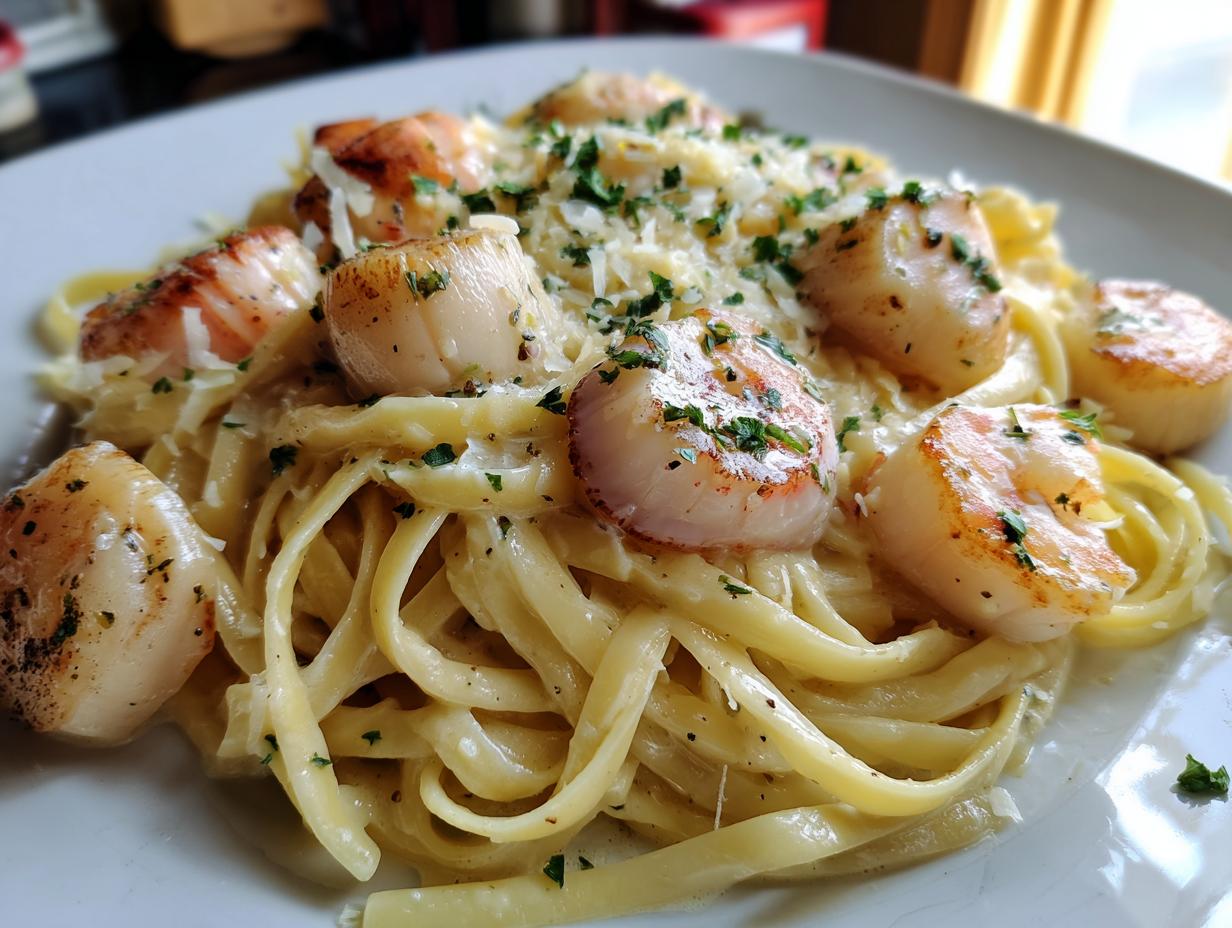
Oh gosh, who says you need hours of kitchen time to feel like you’re dining at a five-star coastal Italian restaurant? I totally get it—we all dream of that incredible seafood pasta dish, bursting with flavor, but sometimes the reality is getting dinner on the table before everyone melts down. That’s exactly why I put this Garlic Butter White Wine Seafood Linguine together. It hits that sweet spot of being elegant enough for a surprise date night but fast enough for a Tuesday when you’ve had a marathon meeting.
Here at CravyBite Kitchen, we believe cooking should connect you to real food and family memories. I’m Jess Carter, and while my nutrition background taught me the science of good fuel, my heart belongs to the home-cooked meals I grew up with. This recipe is the perfect blend of both worlds: deeply flavorful, relies on quality ingredients, and comes together in about 35 minutes. Trust me, the aroma of garlic, butter, and white wine transforming the seafood is intoxicating!
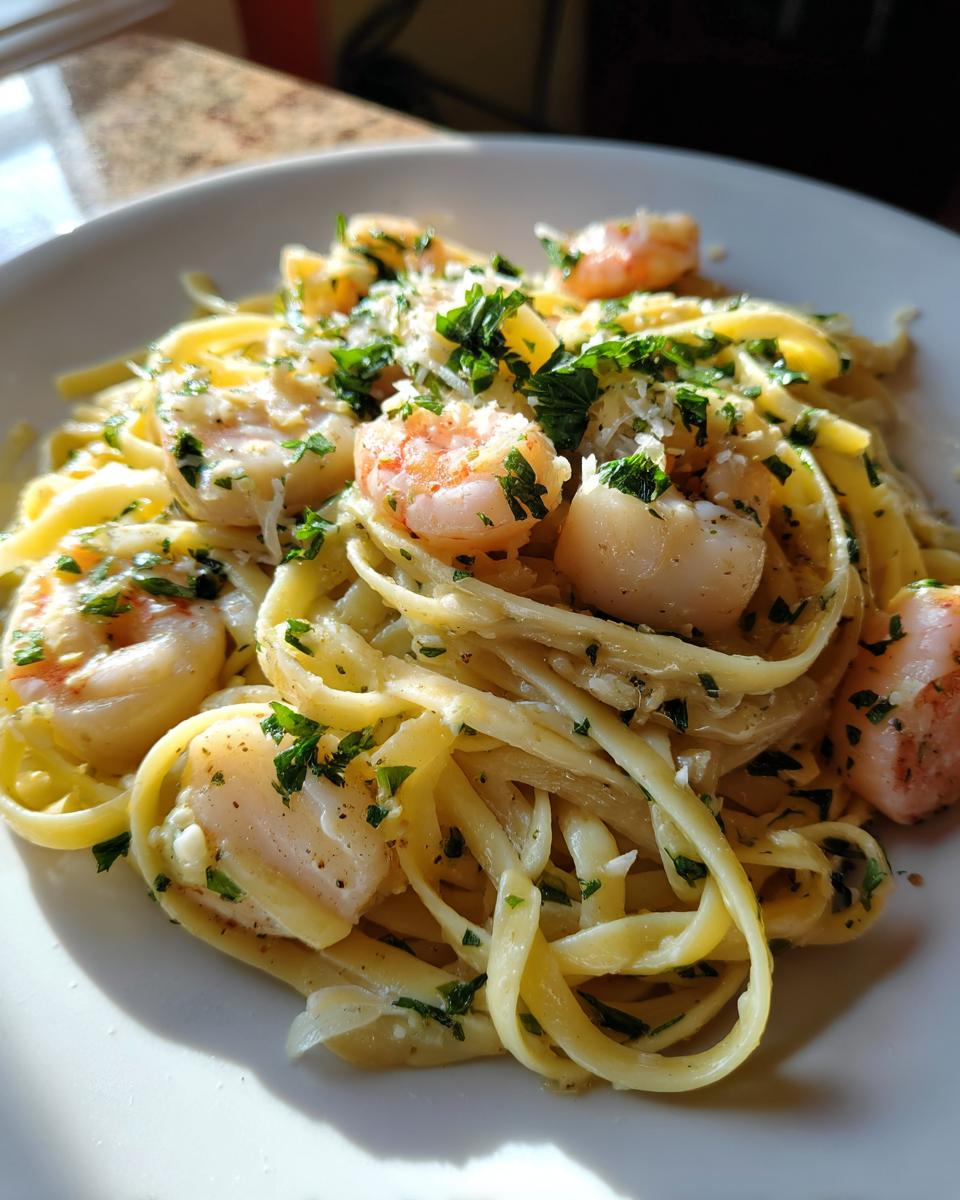
If you’re looking to wow people without stressing yourself out, you need to check out my guide on easy weeknight dinners for more speedy inspiration, but seriously, get ready for this linguine. We are about to make the best seafood pasta dish you’ve ever had on a weekday!
- Why This Garlic Butter White Wine Seafood Pasta Shines
- Essential Ingredients for Your Homemade Seafood Linguine
- Step-by-Step Instructions for Garlic Butter Seafood Pasta
- Tips for the Ultimate Restaurant Style Seafood Pasta at Home
- Ingredient Notes and Substitutions for Seafood Pasta
- Storage and Reheating Instructions for Leftover Seafood Pasta
- Frequently Asked Questions About Making Seafood Pasta
- Estimated Nutritional Data for This Seafood Pasta
- Share Your Homemade Seafood Linguine Experience
Why This Garlic Butter White Wine Seafood Pasta Shines
Okay, let’s talk about why I keep coming back to this exact recipe when I want something truly special but only have a little bit of time. It’s just one of those easy seafood pasta recipes that punches way above its weight class. When people ask me what the best seafood pasta is, honestly, this is it. It feels fancy, but when you see the clock, you’ll be shocked!
Perfect for Weeknight Seafood Dinner
We’re looking at barely over half an hour of total time here—prep plus cooking! That 35-minute mark means you can whip up this gorgeous seafood pasta right after work. It’s totally satisfying without weighing you down, making it the ultimate weeknight seafood dinner solution.
Elegant Pasta for Date Night Flavor Profile
This is where the wine and butter come into play. That luscious sauce made with dry white wine, heavy cream, and garlic? Absolute magic. Tossing in plump shrimp and those sweet little scallops just takes it straight to an elegant pasta for date night level. It’s rich, it’s bright from the lemon, and it tastes like you spent all afternoon fussing over it.
Essential Ingredients for Your Homemade Seafood Linguine
Okay, you know I’m all about making things easy, but when it comes to seafood pasta, quality counts! Since this dish relies so heavily on that rich white wine sauce to carry the flavor, you simply must start with the best. I’ve listed out everything you need below, but honestly, don’t be tempted to skimp on the butter or the wine—they form the backbone of our creamy seafood pasta sauce.
Here’s what you need to grab from the store. Notice how specific I am about the garlic and the parsley? That’s just me trying to save you from having to start over later!
- 1 pound linguine pasta
- 1 pound mixed seafood (shrimp, scallops, crab meat)
- 4 tablespoons unsalted butter
- 4 cloves garlic, minced
- 1/2 cup dry white wine (like Pinot Grigio)
- 1 cup heavy cream
- 1/2 cup grated Parmesan cheese
- 1/4 cup fresh parsley, chopped
- 1 tablespoon lemon juice
- Salt and black pepper to taste
- 1 tablespoon olive oil
If you’re looking for ways to build creamy flavor in other sauces, you might want to check out my thoughts on Alfredo sauce—it’s a completely different vibe, but that creaminess is always key!
Choosing the Best Seafood for Pasta
This is where we separate the good from the truly great seafood pasta dish. Since the cook time for the seafood is so short, you don’t want anything that’s been sitting around too long. If you use frozen shrimp or scallops, make sure they’re fully thawed and patted bone-dry before they hit the skillet. Moisture is the enemy of a good sear!
When buying mixed seafood, look for shrimp that are nice and plump. If you add pre-cooked crab meat, just toss it in right at the very end so it heats through without getting rubbery. Getting that beautiful mix of textures is what makes this dish so amazing!
Step-by-Step Instructions for Garlic Butter Seafood Pasta
This is the fun part—watching a stunning, restaurant style seafood pasta at home come to life right in your pan! Remember, cooking seafood is fast, so keep your mise en place ready before you turn on that heat. We need to pay special attention to timing so everything finishes perfectly together.
Cooking the Pasta and Preparing the Seafood
First things first: get that linguine cooking according to the package directions. The absolute most important tip I can give you for any sauce-based pasta? When it’s almost done—like, one minute shy of what the box says—scoop out about one full cup of that starchy, beautiful pasta water and set it aside! Then, drain the rest. Don’t rinse it!
While the pasta boils, you prep your stars. Lightly salt and pepper that gorgeous seafood mix. In your big skillet, warm up that olive oil and half the butter over medium heat. Toss in your shrimp and scallops. We’re cooking these quickly, about two or three minutes total, just until the shrimp turns pink and opaque. You want a nice little sear, not tough tennis balls! Scoop that cooked seafood out immediately and set it aside so it doesn’t get tough while we build the sauce. This quick sear is what makes this a superior seafood pasta recipe for beginners.
Building the Rich Seafood Pasta with White Wine Sauce
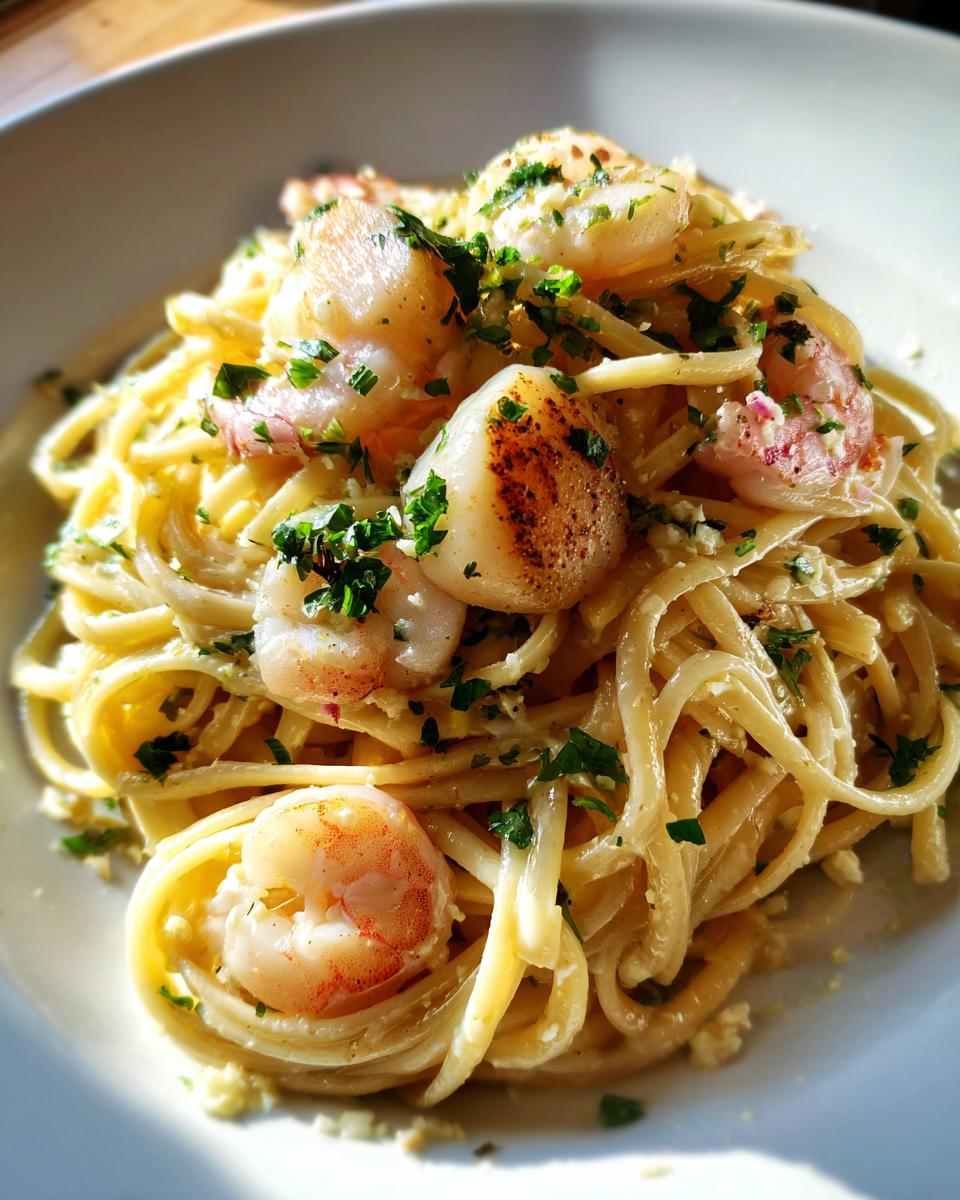
Now, back to that skillet. Add the rest of the butter and drop in your minced garlic. Listen closely: garlic burns SO fast! Cook it for just sixty seconds until you can really smell it—that’s your cue. Don’t let it turn brown, or the whole sauce tastes bitter!
Time for the flavor bomb! Deglaze the pan with the white wine. Let that simmer for a couple of minutes; it cooks off the harsh alcohol and concentrates that amazing flavor. Next, pour in the heavy cream and let it gently thicken up on low heat for about three minutes. Stir in your Parmesan until it melts completely smooth into the liquid. See how that’s becoming one gorgeous, luxurious base? That’s almost your creamy seafood pasta sauce!
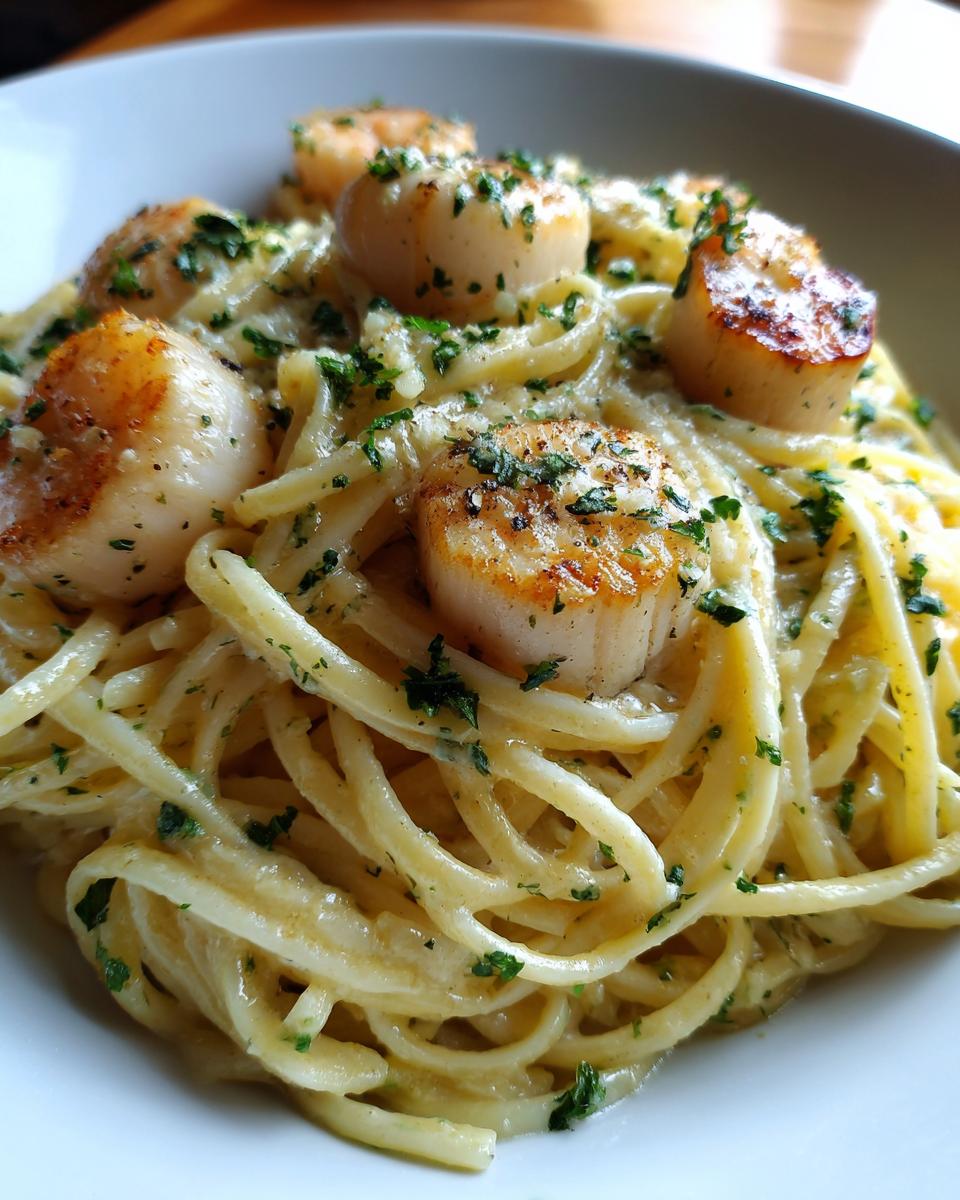
Now, we emulsify! Add your drained linguine right into the skillet. Pour in a splash or two of that reserved pasta water you tucked away. Toss everything until the pasta is coated. That starchy water mixes with the fat to create that incredible, velvety bond that makes this seafood pasta so unforgettable. Finally, toss the seared seafood back in, warm it through for just one minute, hit it with a squeeze of lemon and the fresh parsley, and get ready to eat!
If you want to see how I use a similar technique for a bright, lemony sauce, take a peek at my creamy lemon pasta recipe!
Tips for the Ultimate Restaurant Style Seafood Pasta at Home
You nailed the steps, but if you want to go from “really good” to “I can’t believe I made this,” here are the little things that elevate this into truly restaurant style seafood pasta at home. Honestly, it all comes down to temperature and texture management. Don’t rush the seafood cooking, even though it feels fast!
My biggest pro tip is about finishing the pasta *in* the sauce. Never drain your pasta completely and then just plop sauce on top. You need that sauce to grab onto the noodles, and it won’t if the pasta is dry. That splash of reserved starchy water is the secret handshake for silkiness.
Also, use good quality wine! Using a cooking wine just won’t give you the bright, clean finish we are aiming for here. If you are struggling with searing anything, sometimes reading up on proper pan heat management helps. I learned so much from practicing my pan-searing skills, which translates perfectly here!
A final sprinkle of flaky sea salt right before serving—not the table salt from the grinder—just gives that professional final crunch of flavor.
Ingredient Notes and Substitutions for Seafood Pasta
So, what happens when you don’t have exactly what’s on my list? Happens to me all the time! I want you to feel totally comfortable making this delicious seafood pasta your own way. Life happens, pantries fluctuate, so let’s talk swaps! This recipe is surprisingly forgiving, which is why it makes a great base for so many easy seafood pasta recipes.
If you’re out of wine, don’t panic! You can use seafood or chicken broth, but you’ll need to compensate for the missing acidity. Add that broth, let it reduce slightly, and then stir in an extra teaspoon of fresh lemon juice at the end to give it that necessary bright pop.
For the cream, if you absolutely need to lighten things up—though I highly recommend the heavy cream for that true rich texture—you can use half-and-half mixed with a bit of cornstarch slurry (cornstarch mixed with cold water). You have to simmer it longer to thicken, but it works in a pinch!
Pasta Shape Variations for Seafood Pasta
Linguine is my absolute go-to for this sauce because those flat, medium-wide ribbons grab onto the creamy garlic butter beautifully without getting overwhelmed. But listen, if all you have is spaghetti, go for it! Spaghetti is fantastic here.
Fettuccine is another great choice if you are leaning toward a richer sauce, maybe if you wanted to turn this into a full-on rich seafood alfredo variation later on. Really, any long noodle works wonderfully because it lets you swirl that sauce around. Just please, for the love of Italian cooking, avoid those tiny shell shapes—they’ll get completely lost in this flavorful sauce!
Storage and Reheating Instructions for Leftover Seafood Pasta
Oh man, if you even have leftovers of this seafood pasta, you’re doing something right! But if you do manage to save some that glorious garlic butter white wine sauce, you have to treat it carefully the next day. Dairy-based sauces, especially those with Parmesan, can sometimes separate or turn grainy when reheated improperly. My goal is always to avoid drying out those perfectly cooked shrimp and scallops.
For storage, the key is airtightness. Put your leftovers into a shallow, airtight container. This helps it cool down faster, which is safer, and it keeps the sauce from getting coated in fridge air. I usually get through it in about two days max. That seafood really is best right away, but leftovers are definitely still tasty!
When it’s time to reheat, please don’t just blast it in the microwave! You’re going to end up with tough seafood and a separated sauce. Instead, take the container out of the fridge about 30 minutes before you plan to eat so it can lose the deep chill. Heat it gently on the stovetop over very low heat in a small saucepan. You absolutely must add a splash—maybe two tablespoons—of fresh milk or extra stock/broth while you stir constantly.
Stir slowly until everything is just warmed through. If the sauce seems too loose, that’s fine; it usually thickens back up as it cools slightly off the heat. Do not boil it! Boiling ruins that delicate white wine sauce. If you reheat it this way, you’ll keep the sauce silky and the seafood tender, making your reheat feel almost like you just made it the first time!
Frequently Asked Questions About Making Seafood Pasta
I get so many questions about this recipe because people are always nervous about cooking seafood at home! It’s one thing to nail garlic butter, but adding delicate shrimp and scallops feels like a high-wire act sometimes. Don’t worry, I’ve collected the most common things people ask about when trying to make the best seafood pasta in their own kitchens. I hope these help you feel super confident!
Can I use frozen seafood in this seafood pasta recipe?
Yes, absolutely! This is one of those quick shrimp pasta recipes because sometimes you just need to pull something from the freezer. The key is thawing it correctly. Don’t just leave it on the counter! The best way is to put your sealed bag of frozen seafood in a bowl of cold water in the fridge overnight. If you’re in a huge rush, place the sealed bag under cool running water for about 20 minutes.
Crucially, once it’s thawed, take it out and pat everything aggressively dry with paper towels. I mean *aggressively*. If you don’t, you’ll steam the seafood instead of searing it, and it will taste watery, not like a beautiful restaurant style seafood pasta at home.
What is the best pasta shape for seafood pasta with white wine sauce?
I’m dedicated to linguine for this batch because its flat, slightly rough surface is perfect for grabbing that garlic butter white wine sauce—it feels luxurious! However, if you check out some of the other amazing easy seafood pasta recipes out there, you’ll see that long noodles are generally the rule for thin, silky sauces like this one.
Spaghetti works grand, and fettuccine is also heavenly if you want a slightly wider noodle. The main thing is to use a pasta shape that allows the sauce to cling without pooling too much at the bottom of the bowl. Trust me, you want every single noodle swimming in that flavor!
If you’re interested in other pasta shapes that coat well, you should check out my guide on easy parmesan pasta recipes; the same principles of sauce adhesion apply there!
Estimated Nutritional Data for This Seafood Pasta
Okay, I know some of you are tracking macros now, and I totally respect that! Even though my background is rooted in making food taste amazing first, I always try to give you the real scoop. I ran the numbers based on the ingredients in this Garlic Butter White Wine Seafood Linguine, and here’s what we’re looking at per serving.
Keep in mind, this is just an estimate, right? It depends on exactly how much wine reduces and how much Parmesan you sneak onto your spoon before it makes it into the pan! But this gives you a great baseline for what you’re eating when you devour this amazing seafood pasta.
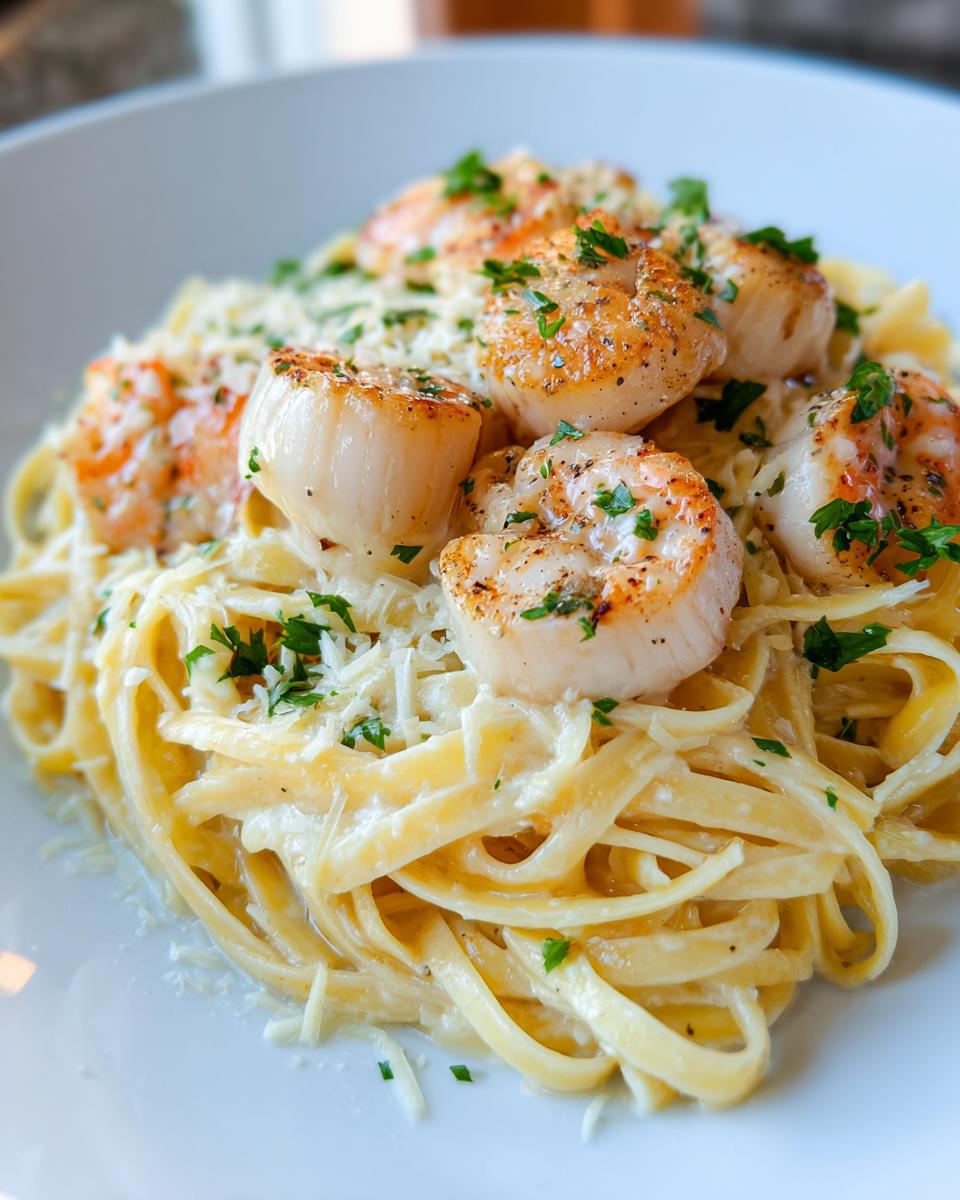
- Serving Size: 1 serving
- Calories: 650
- Fat: 30g
- Saturated Fat: 16g
- Carbohydrates: 65g
- Protein: 35g
- Sugar: 4g
- Sodium: 550mg
As you can see, you get a ton of protein from all that gorgeous seafood, which is wonderful! Because we are using real butter and heavy cream to get that signature velvety sauce, the fat content is up there—but oh man, is it worth it for this kind of flavor. If you wanted to play around, replacing some of that cream with milk is an option for quick shrimp pasta recipes, but you’d lose some of that decadent texture. Enjoy this one, friends!
Share Your Homemade Seafood Linguine Experience
Now that you’ve made something truly spectacular—your very own Garlic Butter White Wine Seafood Linguine—I desperately want to hear all about it! Honestly, seeing photos of your finished plates is the best part of my day here at CravyBite Kitchen. Did you use the scallops? Did the white wine sauce come out perfectly silky? Tell me everything!
If you followed these steps and managed to create that luxurious, restaurant-quality moment right in your own kitchen, please let me know! Rating the recipe helps other cooks feel confident trying this dish, and your feedback on how you approached the creamy seafood pasta sauce is invaluable to me.
Drop a comment below. I, Jess Carter, read every single one, and I love troubleshooting or cheering you on! If you’re looking for more inspiration after tackling this one, I always admire folks who manage to pull off classics like the one found here, Classic Italian Seafood Pasta Recipe. But first, tell me about *your* linguine success!
If you have any lingering questions or just want to share general kitchen stories, you can always reach out directly through my contact page. Happy cooking, friends!
PrintGarlic Butter White Wine Seafood Linguine
Make this restaurant-style seafood pasta at home. Succulent shrimp, scallops, and tender linguine tossed in a rich garlic butter white wine sauce. This is an elegant yet quick weeknight seafood dinner.
- Prep Time: 15 min
- Cook Time: 20 min
- Total Time: 35 min
- Yield: 4 servings 1x
- Category: Dinner
- Method: Stovetop
- Cuisine: Italian-American
- Diet: Vegetarian
Ingredients
- 1 pound linguine pasta
- 1 pound mixed seafood (shrimp, scallops, crab meat)
- 4 tablespoons unsalted butter
- 4 cloves garlic, minced
- 1/2 cup dry white wine (like Pinot Grigio)
- 1 cup heavy cream
- 1/2 cup grated Parmesan cheese
- 1/4 cup fresh parsley, chopped
- 1 tablespoon lemon juice
- Salt and black pepper to taste
- 1 tablespoon olive oil
Instructions
- Cook the linguine according to package directions until al dente. Reserve 1 cup of the pasta water before draining.
- Season the mixed seafood lightly with salt and pepper.
- Heat the olive oil and 2 tablespoons of the butter in a large skillet over medium heat. Add the seafood and cook for 2-3 minutes until the shrimp is pink and the scallops are lightly seared. Remove the seafood from the skillet and set aside.
- Add the remaining 2 tablespoons of butter to the same skillet. Add the minced garlic and cook for 1 minute until fragrant. Do not let the garlic brown.
- Pour in the white wine and let it simmer for 2 minutes, scraping up any browned bits from the bottom of the pan.
- Reduce the heat to low. Stir in the heavy cream and simmer gently for 3 minutes until the sauce thickens slightly.
- Stir in the Parmesan cheese until the sauce is smooth. Add the lemon juice.
- Add the drained linguine and the reserved pasta water to the skillet. Toss to coat the pasta evenly in the sauce. Add more pasta water if the sauce seems too thick.
- Return the cooked seafood to the skillet. Toss gently to combine and heat through for 1 minute.
- Taste and adjust seasoning with salt and pepper. Stir in the fresh parsley.
- Serve immediately.
Notes
- For an authentic Italian seafood pasta flavor, use high-quality fresh or frozen seafood.
- If you prefer a tomato-based seafood pasta, add 1/2 cup of crushed tomatoes with the white wine.
- This recipe works well with other pasta shapes like fettuccine or spaghetti.
Nutrition
- Serving Size: 1 serving
- Calories: 650
- Sugar: 4
- Sodium: 550
- Fat: 30
- Saturated Fat: 16
- Unsaturated Fat: 14
- Trans Fat: 0.5
- Carbohydrates: 65
- Fiber: 3
- Protein: 35
- Cholesterol: 250